
What Happens Behind the Scenes in a Professional Podcast Studio in Cape Town?
Tue Jun 2026

Category:
Introduction: Where Brand Stories Come to Life
A modern podcast is no longer just an audio file, it is a branded storytelling asset, a trust-building channel, and a long-form content engine that supports marketing, PR, and thought leadership.
This behind-the-scenes look at a professional podcast studio Cape Town experience reveals how ideas are transformed into polished, broadcast-ready episodes. From acoustic design to multi-camera setups and live direction where every detail plays a role in shaping how brands communicate with their audiences.
Set within Cape Town, one of Africa’s fastest-growing creative and media hubs, podcast production has evolved into a strategic service for companies seeking credibility, reach, and authority. In South Africa, brands are increasingly investing in high-quality podcast recording environments to differentiate themselves in crowded digital spaces.
Inside the Studio: More Than Just Microphones and Cameras
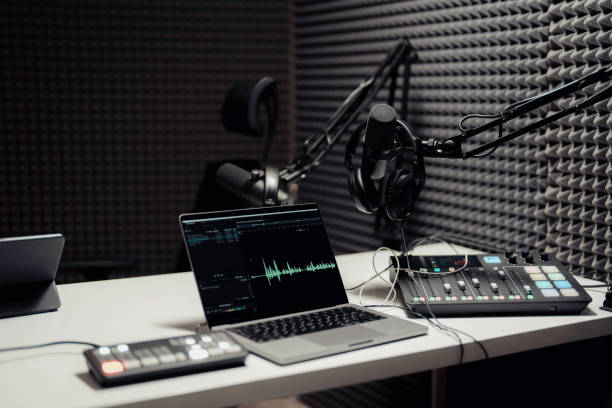
At first glance, a podcast studio might look simple, just a display of microphones, lighting rigs, cameras, and a desk setup, but behind the scenes, a professional studio is a carefully engineered environment designed for consistency and clarity.
A high-end podcast studio in Cape Town typically includes:
- Acoustic treatment to eliminate echo and background noise
- Broadcast-grade microphones for vocal clarity
- Multi-camera video recording for social media repurposing
- Real-time audio mixing and monitoring
- Controlled lighting for visual branding consistency
These elements ensure that every recording session delivers broadcast-quality output suitable for YouTube, Spotify, Apple Podcasts, LinkedIn, and internal brand communications.
For brands, this consistency is critical. It removes technical friction so the focus stays on storytelling, messaging, and guest engagement.
The Podcast Recording Process: Step by Step
Behind every polished episode lies a structured workflow that ensures quality and efficiency.
1. Pre-Production Planning
Before any recording begins, the session is strategically mapped out. This will include:
- Topic alignment with brand objectives
- Guest briefing and talking points
- Episode structure and narrative flow
- Technical requirements for recording
This stage is to ensure that the podcast is not just conversational, but purposeful.
2. Studio Setup and Sound Check
Once in the studio, an operator will configure audio levels, microphone positioning, and camera framing, followed by a test recording to ensure optimal clarity and balance.
3. Live Recording Session
During the session, a producer often oversees the flow. This includes:
- Managing timing and pacing
- Ensuring audio levels remain consistent
- Coordinating multi-camera shots
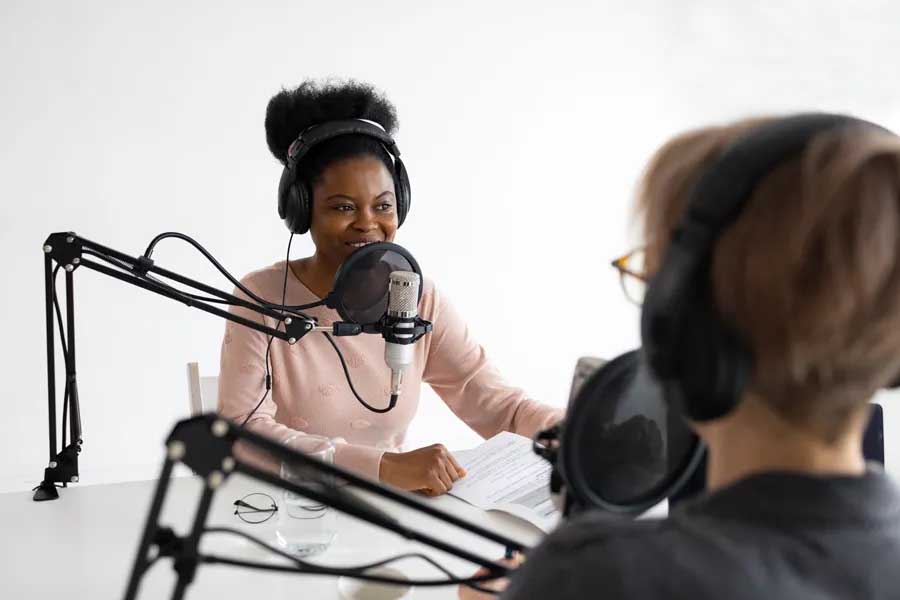
- Supporting guests for a natural delivery
This is where a professional podcast studio environment becomes essential, with the removal of any distractions and allowing participants to focus purely on content.
4. Post-Production Editing
After recording, the content enters the editing phase:
- Audio cleaning and mastering
- Video cutting, short form clips and multi-platform formatting
- Branding overlays and intro/outro integration
- Exporting for distribution channels
5. Content Distribution
Episodes are then prepared for release across podcast platforms and repurposed into short-form clips for social media marketing.
Why Brands Are Investing in Podcast Studios
For modern businesses, podcasting is no longer experimental, it is a core communication channel. Brands use podcast recording for:
- Thought leadership positioning
- Client education and onboarding
- PR storytelling and brand authority building
- Internal communications and leadership messaging
- Lead generation through long-form engagement
A professionally produced podcast helps brands establish trust. Unlike short-form content, podcast episodes allow deeper conversations that showcase expertise and authenticity.
In competitive markets, especially within Cape Town, this format gives brands a meaningful edge in content marketing strategies.
What Makes a Studio “Professional”?
The difference between amateur recording and a professional podcast studio lies in precision.
A professional setup ensures:
- Zero compromise on audio clarity
- Consistent visual branding across episodes
- Technical reliability during live recording
- Expert production oversight
- Seamless post-production workflows
This is particularly important for brands that use podcasts as part of their public relations and content ecosystem, as a well-executed one reinforces authority.
Podcast Production as a PR Asset
Modern PR is no longer limited to press releases and media interviews. Podcasts have become a powerful earned and owned media hybrid.
A strategically produced podcast allows brands to:
- Control narrative positioning
- Host industry conversations
- Collaborate with influential guests
- Extend reach through digital platforms
A professional podcast recording environment ensures that every conversation is captured in a way that reflects brand quality and intent.
You can explore more about how this fits into broader storytelling frameworks through our internal resource on Podcast production services.
Why Production Quality Builds Trust
From a search and audience perspective, expertise, experience, authority, and trust (EEAT) are essential.
A professional podcast studio supports EEAT signals by:
- Demonstrating technical expertise through high production standards
- Showcasing real industry experience via authentic conversations
- Reinforcing authority through consistent branding and guest credibility
- Building trust through clarity, accuracy, and professionalism
Search engines increasingly reward content that reflects real-world production quality and expertise. A well-produced podcast signals seriousness and credibility, both to audiences and algorithms.
Frequently Asked Questions
What is a podcast studio in Cape Town used for?
A podcast studio in Cape Town is used for professional audio and video recording, primarily for branded content, interviews, storytelling, and marketing communications.
Why do brands use podcast recording services?
Brands use podcast recording to build authority, communicate expertise, and engage audiences through long-form storytelling.
How does a professional podcast studio improve content quality?
It improves quality through acoustic control, professional equipment, expert production oversight, and structured recording workflows.
Is podcasting effective for PR strategies?
Yes, podcasting is highly effective for PR because it allows brands to control messaging, feature guests, and build long-term audience trust.
What happens behind the scenes during podcast recording?
Behind the scenes includes pre-production planning, technical setup, live directing, multi-camera recording, and post-production editing.
Can podcast content be repurposed?
Yes, podcast content is often repurposed into social media clips, blog content, video snippets, and marketing assets.
Frequently Asked Questions
1. What makes a podcast studio in Cape Town different from home recording setups?
A professional studio offers acoustic treatment, broadcast-grade equipment, and expert production support, ensuring significantly higher content quality than home setups.
2. How long does a typical podcast recording session take?
Most sessions range from one to three hours depending on episode length, guest preparation, and production complexity.
3. Do brands need experience to record a podcast?
No prior experience is needed. Studio teams guide guests and brands through the entire recording process.
4. What types of businesses benefit from podcast production?
Corporate brands, startups, agencies, and thought leaders all benefit from podcasting as part of their communication strategy.
5. Is video included in podcast recording?
Yes, many modern podcast studios offer multi-camera video recording for cross-platform content distribution.
6. How is podcast audio improved after recording?
Audio is enhanced through editing, noise reduction, mastering, and balancing for clarity and consistency.
7. Can podcasts support SEO and digital marketing?
Yes, podcasts support SEO by generating long-form content, backlinks, and increased brand search visibility.
8. What role does a producer play during recording?
A producer manages timing, technical quality, and flow, ensuring the conversation stays engaging and structured.
9. Why is behind-the-scenes content valuable for brands?
It builds transparency, authenticity, and trust by showing how content is created, not just the final product.
10. How can a brand start podcasting?
Brands typically begin by defining their strategy, selecting topics, and booking a professional studio for recording and production support.
Turning Conversations into Brand Assets
Behind every successful podcast is a structured environment designed to elevate storytelling. A professional podcast studio Cape Town setup ensures that brands can focus on messaging while production teams handle the technical complexity.
In today’s content-driven landscape, podcasting is not just a media format, it is a strategic communication tool that blends PR, marketing, and authority building into one powerful channel.
For brands ready to elevate their voice, the next step is simple: move from concept to execution.
Explore how professional podcast production can transform your brand conversations into high-impact content assets.