
What Happens During a Professional Photoshoot?
Thu Aug 2026

Category:
If you have never had professional photographs taken before, the experience can feel a little uncertain. You may wonder what happens when you arrive, whether you need to know how to pose, what to wear, or whether you will know what to do in front of the camera.
The good news is that you are not expected to arrive knowing how to be photographed. A well-run studio session is structured around you. From the initial consultation through to the final images, the photographer’s job is to create the right environment, lighting and direction to produce photographs that look natural, professional and purposeful.
Understanding the professional photoshoot process beforehand can also make the experience considerably more relaxed.
1. It starts with a consultation
Before the camera comes out, there should be a conversation about what you actually need.
This might be a corporate headshot, personal branding session, portrait shoot, model portfolio, product campaign or another type of photography. Each requires a slightly different approach.
The photographer should establish:
- What the photographs will be used for
- Where they will appear
- The style and overall look you want
- How many final images are required
- Clothing and styling considerations
- Whether hair and make-up are needed
- Any particular poses, compositions or visual references
This stage is important because there is no single formula for a successful session. The photographs need to work for their intended purpose.
For example, a LinkedIn profile image may require a very different composition from a series of images designed for a company’s website or marketing campaign.
2. You arrive and get comfortable
Walking into a photography studio can feel very different from having your photograph taken by a friend.
A professional studio should therefore give you time to settle in.
You may be shown around the space, discuss the plan again and have an opportunity to change clothing or prepare before the shoot begins.
A good studio workflow removes unnecessary pressure. You should know what is happening next rather than feeling as though you have been placed in front of a camera and told to smile.
For clients using a dedicated photography space, understanding what facilities are available can also make preparation easier.
3. The lighting is prepared
Lighting is one of the most important parts of professional photography, and much of the work happens before the first photograph is taken.
The photographer considers the type of light required for the subject and the intended result. This can involve adjusting the position, height and intensity of studio lights, as well as modifiers, reflectors and backgrounds.
The lighting may be soft and flattering for a portrait, controlled and precise for a corporate image, or more dramatic for a creative shoot.
The important point is that lighting is not simply about making a subject brighter. It controls shape, depth, contrast, mood and how the viewer’s attention moves through the photograph.
The photographer will usually take test images and make adjustments before concentrating fully on the subject.
4. You are guided into position
One of the biggest misconceptions about being photographed professionally is that you need to know how to pose.
You don’t. – Direction is part of the photographer’s job.
Rather than expecting you to stand in front of the camera and work out what to do with your hands, shoulders or facial expression, the photographer should provide clear instructions.
This can be as simple as:
- Turning your shoulders slightly
- Adjusting your posture
- Moving your chin
- Looking towards or away from the camera
- Changing your weight from one foot to another
- Relaxing your hands
- Altering your expression
Small adjustments can make a surprisingly significant difference.
The photographer is also watching how you respond to the camera. If a particular position looks uncomfortable or unnatural, it can be changed.
studio-headshot-photography-cape-town
5. The photographer captures a range of images
A professional session is rarely about taking one photograph and stopping.
The photographer will normally capture a sequence of images while making small adjustments to your position, expression, lighting or composition.
This allows the photographer to identify the strongest results.
It is also common for people to become more relaxed after the first few photographs. What initially feels awkward can quickly become much more natural once you understand what the photographer is asking you to do.
This is why the shoot experience matters just as much as the equipment being used.
A technically capable camera cannot compensate for poor communication, unsuitable lighting or a subject who has been given no direction.

6. Images are reviewed and refined
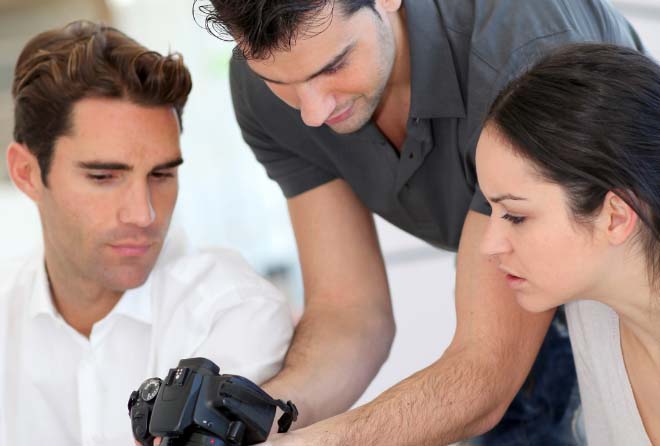
Depending on the type of session, the photographer may review images during the shoot.
This can help identify whether the lighting, framing and expression are working as intended. For commercial photography, it can also ensure that the images meet specific requirements before moving on to another setup.
For some sessions, the photographer may change the background, lighting arrangement, clothing or composition to create a variety of usable photographs.
This is where experience becomes particularly valuable. An experienced photographer is not simply pressing the shutter. They are continually assessing the relationship between the subject, light, composition and intended use of the image.
7. The session finishes with the next steps
Once the photography is complete, you should know what happens afterwards.
The images normally need to be selected, edited and prepared for their intended use.
Editing can include colour correction, exposure adjustments, cropping and professional retouching where appropriate. The extent of this work depends on the type of photography and the agreed package.
For example, a corporate headshot may require subtle skin and clothing refinements, while a commercial campaign may involve considerably more detailed post-production.
You should also understand when and how your final photographs will be delivered.
What makes a good photoshoot experience?
The quality of a professional session is not determined by the camera alone.
It comes from the combination of planning, communication, lighting, direction, technical knowledge and an understanding of what the final photographs need to achieve.
A good photographer should make the process feel straightforward. You should understand what is expected of you, receive useful direction and have confidence that the photographer is managing the technical side.
That transparency is particularly important if it is your first time having professional photographs taken.
Frequently Asked Questions
Do I need to know how to pose for a professional photoshoot?
No. A professional photographer should provide direction throughout the session. You may receive instructions on posture, positioning, facial expression, where to look and how to move.
What should I wear to a studio photoshoot?
It depends on the purpose of the images. For professional portraits, clean, well-fitting clothing that reflects your role or personal brand is generally a good starting point. If you are unsure, discuss clothing choices with the photographer before the session.
How long does a professional photography session take?
There is no universal duration. A straightforward headshot can be relatively quick, while branding, portrait or commercial sessions can require several hours because they involve multiple outfits, lighting arrangements and compositions.
What happens during a studio photoshoot?
A typical session involves a consultation, preparation, lighting setup, positioning and direction, photography, image review and then post-production. The exact workflow varies according to the type of photography.
Will I see the photographs during the session?
Often, yes. Reviewing selected images can help the photographer make adjustments to lighting, composition or direction. However, the workflow depends on the photographer and the type of shoot.
Is professional photography only about having an expensive camera?
No. Camera equipment is only one part of the process. Lighting, composition, communication, direction, technical expertise and post-production all influence the final result.
What happens after the photographs are taken?
The photographer selects and processes the agreed images. Depending on the service, this can include colour correction, cropping and retouching before the finished photographs are delivered.
How can I prepare for my first photoshoot?
Start by understanding what the photographs need to achieve. Choose suitable clothing, arrive prepared and communicate any concerns or preferences to the photographer. Most importantly, do not worry about knowing how to pose. That is something your photographer should help you with.
Ready for your session?
Your first professional photography session should feel organised, guided and purposeful, not intimidating. Once you understand the process, it becomes much easier to relax and concentrate on getting photographs that genuinely work for you.
Whether you need professional portraits, personal branding images or another type of studio photography, the right preparation and direction can make all the difference.