
A Beginner’s Guide to Choosing Your First Camera
Tue Dec 2025

Category:
Tips for Buying Your First Camera – A Photographer’s Buyer’s Guide
Starting photography is exciting, and knowing how to choose your first camera is one of the biggest steps in your creative journey. With so many brands, specs, and models on the market, the process can also feel overwhelming. The big words we hear often are Mirrorless, DSLR, Full frame, APS-C, Megapixels, where the jargon alone can be confusing.
This guide will help assist you with making sense of what you need to know when buying your first camera.
This article is specifically for new photographers, it breaks down what features matter, what you can ignore, and how to choose the correct camera that fits your goals, budget, and learning path. It blends industry knowledge, practical experience from real photographers, and professional advice designed to help you make an informed decision.
Whether you’re shooting travel, portraits, wildlife, or simply learning the basics, this buyer’s guide gives you the clarity and confidence you need to choose the right camera gear for your photographic future.

Why Choosing the Right First Camera Matters
Your first camera is vitally important as it shapes your learning experience. If it’s too complicated, you may feel discouraged. If it’s too basic, you might outgrow it quickly. The right camera should be:
- Easy to use and navigate without compromising on quality
- Durable and dependable
- Flexible, allowing you to grow into new styles
- Compatible with affordable lenses and accessories
- Within your budget, without sacrificing the essential features
A thoughtful choice saves money in the long run and sets you up for years of growth.
Understanding Camera Types: DSLR vs Mirrorless vs Compact
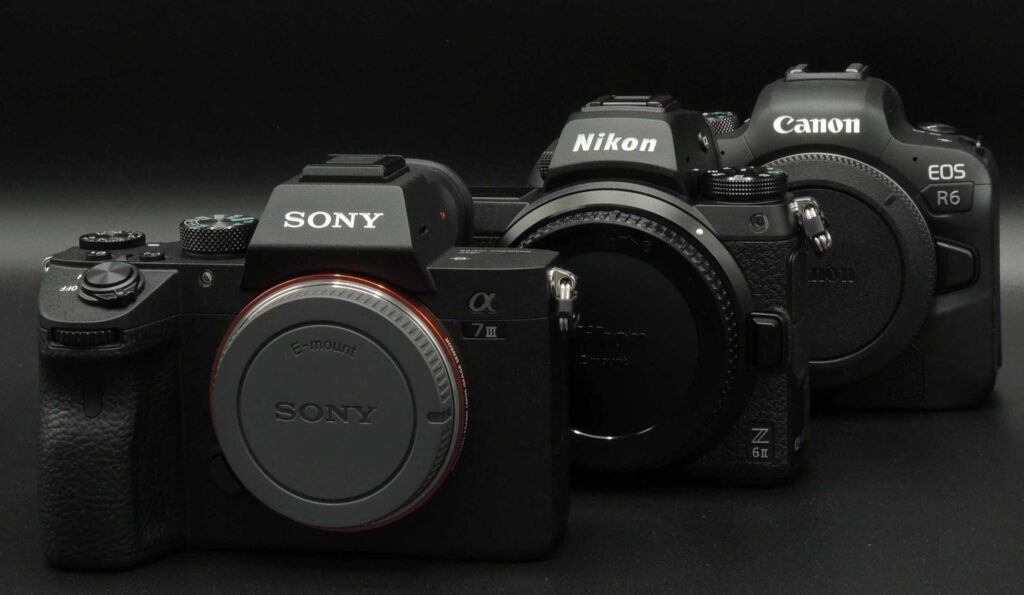
Before comparing cameras, understand the three main categories beginners typically consider.
1. DSLR Cameras (Digital Single-Lens Reflex)
DSLRs have been the backbone of photography for decades. They use a mirror mechanism to reflect the image into an optical viewfinder.
Pros
- Affordable second-hand market
- Excellent battery life
- Robust build quality
- Huge range of lenses
Cons
- Bulkier and heavier
- Technology is ageing
- Most brands now prioritise mirrorless development
- Some models may be discontinued
Best for
Beginners who want strong value and don’t mind a slightly larger body.
2. Mirrorless Cameras
Mirrorless cameras are the modern standard. They are lighter, faster, and packed with advanced features like eye-AF and real-time exposure previews.
Pros
- Lightweight and compact
- Advanced autofocus systems
- Silent shooting options
- Electronic viewfinder (real-time exposure feedback)
- Future-proof investment
Cons
- Shorter battery life
- Lenses can be pricier
- Higher upfront cost
Best for
Beginners wanting long-term growth, modern features, and video capability.
3. Compact Cameras (Point-and-Shoot)
Small, simple, and often limited. They are becoming less common as smartphones improve.
Pros
- Extremely easy to use
- Affordable
- Great for casual shooters
Cons
- Limited manual controls
- Small sensors = lower image quality
- You will outgrow it fast
Best for
Absolute beginners who want simplicity but not recommended for serious learning.
Key Features Beginners Should Look For
When buying your first camera, it’s tempting to focus on megapixels or brand names. But the real deciding factors are often more practical. Here are the features that truly matter.
1. Sensor Size: APS-C vs Full Frame
Sensor size affects low light performance, depth of field, and image quality.
APS-C Sensors
- Ideal for beginners
- More affordable cameras and lenses
- Great for travel, portraits, and everyday shooting
Full Frame Sensors
- Best low-light performance
- More dynamic range
- More expensive (camera + lenses)
Recommendation:
Start with APS-C unless your budget allows for full frame and you know you want to pursue professional-level photography.
2. Megapixels
Most beginner cameras offer 20–24 megapixels, this is more than enough for prints, social media, and learning.
Don’t choose a camera based purely on megapixels.
A good sensor and lens are more important.
3. Autofocus System
For beginners, a strong autofocus system can make a massive difference.
Look for:
- Eye-AF (eye detection autofocus)
- Continuous AF tracking
- Good performance in low light
- Fast and accurate focusing
- Battery strength on a full charge
Mirrorless cameras tend to excel in this area.
4. Ergonomics and Handling
Pick up the camera if possible:
- Does it feel good in your hands?
- Are the buttons easy to reach?
- Does the menu system feel intuitive?
A comfortable camera helps you learn faster and shoot longer without frustration.
5. Lens Compatibility and Future Growth
Your lens will affect image quality more than the camera body.
Ask yourself:
- Does the system have affordable beginner lenses and actually have decent glass?
- What upgrade options exist that fit your budget and genre?
- Is the lens ecosystem growing?
Brands like Canon, Sony, Fujifilm, and Nikon offer strong lens line-ups for beginners, intermediates and pros. Tip – try avoid buying the “cheapest lens” – it will certainly disappoint and could ruin your photographic journey.
6. Video Capabilities
Even if you’re focused on photography, video features matter for flexibility.
Look for:
- Full HD (1080p) minimum
- 4K capability
- Good autofocus in video mode
- Microphone input (optional but very helpful)
7. Connectivity and Ease of Sharing
Modern beginner cameras often include:
- Wi-Fi
- Bluetooth
- Smartphone app control
These make transferring photos and shooting remotely extremely convenient when shooting in jpeg, unfortunately not that this is not the case for larger RAW images.
Top Beginner Camera Recommendations (2025)
Below are reliable, beginner-friendly options trusted by photography instructors and ideal for new photographers.
1. Canon EOS R50 (Mirrorless)
Most recommend overall beginner mirrorless camera
Why it’s great:
- Lightweight and compact
- Superb autofocus
- Excellent colour science
- Flip-out screen
- Great battery life for a mirrorless
Ideal for portraits, travel, family photography, and content creation.
2. Sony A6400 / A6100 (Mirrorless)
Best for fast autofocus and long-term growth
Why it’s great:
- Sony’s industry-leading Eye-AF
- Huge range of lenses
- Strong low-light performance
- Compact
Great for beginners who want a modern camera with advanced tracking features.
3. Fujifilm X-T30 II (Mirrorless)
Best for photographers who love colour and style
Why it’s great:
- Stunning film simulations
- Beautiful design
- Great ergonomics
- Excellent for travel and portraits
Fuji cameras offer a fun shooting experience perfect for beginners learning manual modes.
4. Canon EOS 250D / Rebel SL3 (DSLR)
Best entry-level DSLR
Why it’s great:
- Affordable
- Good image quality
- Optical viewfinder
- Good for those learning the basics on a budget
5. Nikon D3500 (DSLR)
Great value for complete beginners
Why it’s great:
- Very user-friendly
- Great battery performance
- Affordable lens options
- Excellent image quality for its price
6. Panasonic Lumix G7 (Mirrorless, Micro Four Thirds)
Best budget-friendly hybrid (photo + video)
However, note that this brand has limited support at this time in South Africa.
Why it’s great:
- Strong 4K video
- Lightweight
- Affordable lenses
- Great for content creators
How to Choose Based on Your Photography Goals
Different styles of photography benefit from different strengths. Here’s how to match your camera choice to your interests.
1. Portrait Photography
Look for:
- Eye-AF
- APS-C or full frame
- Good skin tone colour science
- A lens upgrade path to 50mm or 85mm primes
Best picks:
Canon R50, Sony A6100/A6400, Fujifilm X-T30 II
2. Travel Photography
Look for:
- Lightweight body
- Good low-light performance
- Silent shutter
- Affordable zoom lenses
Best picks:
Sony A6100, Fuji X-T30 II, Canon R50
3. Wildlife and Sports
Look for:
- Fast autofocus tracking
- High burst shooting speed
- Telephoto lens availability
- Strong battery life
Best picks:
Sony A6400, Canon R50
4. Content Creation and Video
Look for:
- Flip-out or tilting screen
- Fast autofocus in video
- 4K recording
- External mic input
Best picks:
Canon R50, Panasonic G7, Sony A6400
5. Everyday Learning and General Photography
Look for:
- Ease of use
- Strong autofocus
- Kit lens compatibility
- Good handling
Best picks:
Canon R50, Nikon D3500, Canon 250D
Lenses to Consider as a Beginner
Buying the right lens is just as important as choosing the right camera.
1. Standard Kit Lenses
You’ll often get an 18–55mm or 15–45mm lens.
Good for:
- Everyday shooting
- Travel
- Learning composition
2. 50mm f/1.8 (“Nifty Fifty”)
Every beginner should eventually own this lens.
Why?
- Affordable
- Incredible sharpness
- Beautiful background blur
- Great for portraits and low light
3. 24mm or 35mm Prime Lenses
Great for:
- Street photography
- Travel
- Food and lifestyle shots
- Content creation
4. Telephoto Zoom Lenses
Perfect for:
- Wildlife
- Sports
- Events
- Distant subjects
What’s a Good Budget For Your First Camera?
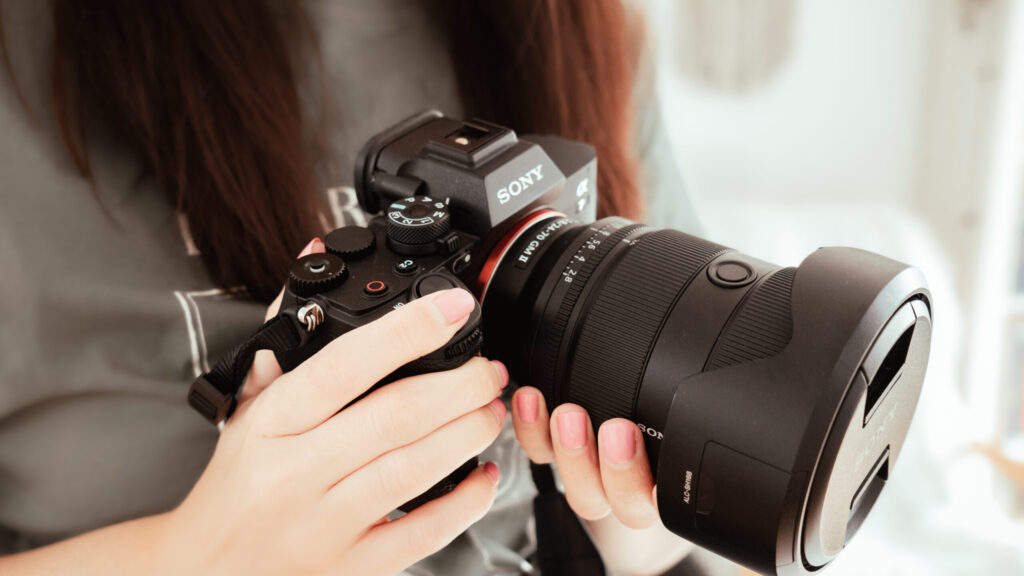
Here’s a realistic price guide for beginners:
Entry Level (Budget-Friendly): R8,000 – R12,000
- Older DSLR models
- Second-hand mirrorless
- Basic kit lenses
Mid-Range (Most Popular): R12,000 – R20,000
- New mirrorless APS-C models
- More advanced autofocus
- Good for long-term learning
Premium Beginner Setup: R20,000 – R35,000
- Newer mirrorless models
- Multiple lenses
- Video features
- Excellent future-proofing
Remember:
A well-chosen mid-range camera will last you years and grow with you.
Where to Buy Your First Camera in South Africa
Look for:
- Reputable camera retailers
- Good return policies
- Local warranties
- Opportunities to test in store
- Second-hand dealers offering diagnostics and guarantees
Buying from trusted shops ensures your camera is genuine and well-supported.
Common Beginner Mistakes (and How to Avoid Them)
1. Buying the most expensive camera “just in case”
Start simple and upgrade as your skills grow, or buying thye cheapest beginner camera kit deal on the market.
2. Choosing based on megapixels alone
Image quality depends on much more than megapixels.
3. Ignoring lens availability
Your camera is only as good as the glass you can put on it.
4. Not thinking about future goals
Consider what type of photographer you want to become.
5. Overlooking ergonomics
If it doesn’t feel good in your hands, you won’t enjoy shooting.
Your Next Step: Learn How to Use Your New Camera
Buying your first camera is only the beginning.
To get the most out of it, invest in a learning path that teaches you:
If you want structured guidance designed specifically for new photographers, explore our Beginner Photography Courses here:
These hands-on sessions help you master your camera faster and avoid years of trial and error.
Last Reflection
Choosing your first camera is an investment in creativity, skill, and possibility. The right camera empowers you to express yourself, capture memories, and begin your journey into the world of photography. This guide gives you everything you need to shop with confidence, understanding the features, the systems, the budgets, and the direction you want to grow.
Whether you go mirrorless or DSLR, Canon or Sony, budget or premium, remember this:
The best beginner camera is the one that helps you learn, inspires you to shoot, and grows with you.