
Before & After: The Power of Proper Lighting in Property Photos
Thu Sep 2025

Category:
When it comes to selling a home, we know that first impressions are everything. For most buyers, that first impression happens online when scrolling through listings, glancing at images, and deciding in seconds whether a property is worth exploring further.
Here’s the thing: a property can be beautifully designed, staged with high-end furniture, and immaculately maintained, but if the photography doesn’t capture it in the best possible light (literally), it can look flat, uninviting, and less valuable than it truly is.
That’s where the power of lighting comes in. In real estate photography, lighting can mean the difference between a property that blends into countless listings and one that grabs your immediately.
In this article, we’ll explore how proper lighting transforms property photos, why it boosts a property’s appeal and perceived value, and how techniques like HDR photography and thoughtful staging help maximise results. We’ll also show you why working with an experienced photographer matters, and how to harness these real estate photography tips to make your listings stand out.
Why Lighting is the Secret Weapon in Real Estate Photography
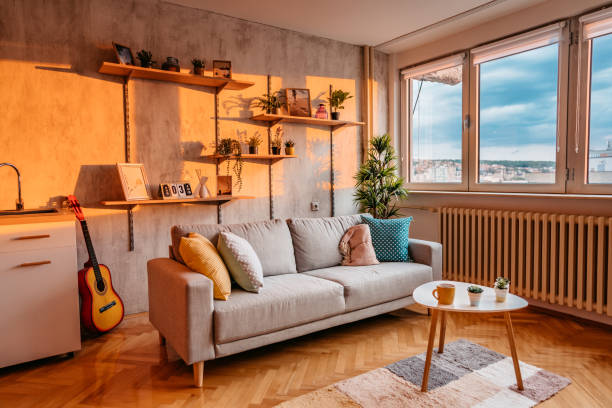
Most people underestimate just how much lighting influences perception. Think of how a room feels at night under harsh ceiling lights compared to how it feels in the morning when soft natural light streams through the windows. This is essentially the same space, but it portrays a completely different mood.
In photography, lighting isn’t just about brightness, it’s about depth, warmth, and atmosphere. The right lighting can:
- Highlight the architectural features of a property.
- Make rooms appear larger and more inviting.
- Create a sense of luxury and comfort.
- Improve colour accuracy so finishes look true to life.
- Help buyers imagine themselves living in the space.
On the flip side, poor lighting can flatten textures, distort colours, and make spaces feel gloomy. Even if the property is stunning, the photographs won’t do it justice.
The Science Behind Why Lighting Matters
Lighting affects how our brains interpret spaces. When we look at a photo, we subconsciously read shadows, highlights, and colour balance to understand depth and ambience.
- Bright, even lighting suggests cleanliness, openness, and modernity.
- Warm, directional lighting suggests comfort and intimacy.
- Cool, balanced lighting works well in contemporary designs, giving a crisp, fresh look.
In real estate marketing, you want your property photos to evoke feelings of warmth, spaciousness, and aspiration. Proper lighting is what bridges the gap between reality and perception.
Natural Light vs. Artificial Light in Real Estate Photography
One of the first decisions a photographer makes is how to balance natural and artificial light. Each has its advantages:
- Natural light provides softness, depth, and authenticity. Properties often look their best when photographed during the day with ample daylight.
- Artificial light fills in shadows, creates balance, and ensures consistency across a set of images.
The key is knowing how to blend the two. For example, an interior may have wonderful natural light from large windows, but without artificial light to fill dark corners, the photo will look uneven. Skilled photographers use strobes or continuous lights to complement natural sources, creating even illumination that still looks natural.
The Role of HDR Photography
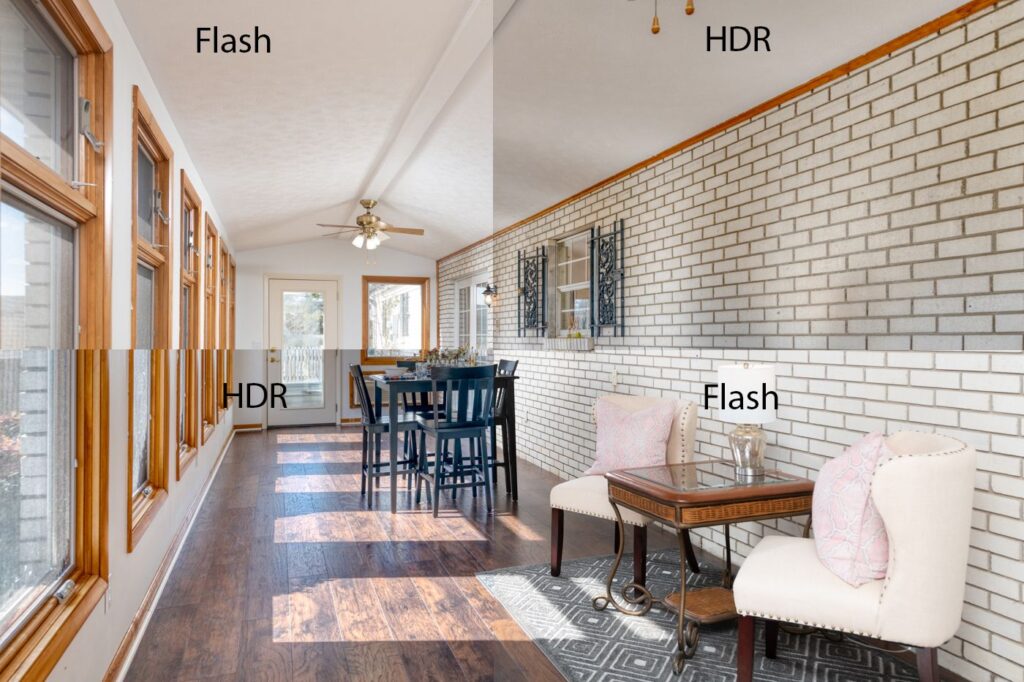
HDR (High Dynamic Range) photography has become a game changer in real estate imagery. HDR works by combining multiple exposures of the same scene which really is one underexposed, one normal, and one overexposed who then gives you a single balanced image.
This technique ensures that both bright areas such as windows and darker corners of a room are visible and evenly lit. Instead of a window blowing out into pure white, or a hallway disappearing into shadows, HDR maintains detail across the full range.
When applied with skill, HDR photography creates images that are both realistic and striking, exactly what you want in a listing.
Before & After: Real-World Example
To truly understand the impact of lighting, nothing beats a visual comparison.
- Before (Poor Lighting): A dim living room looks smaller, colours are dull, and the space feels uninviting. Shadows obscure details, and the property looks dated.
- After (Proper Lighting): With a mix of natural daylight and subtle artificial fill, the room comes alive. The hardwood floors gleam, the furniture looks high-end, and the space feels warm and expansive.
Using split-screen image sliders on your property listing website or portfolio allows viewers to see this transformation in real time. It’s one of the most effective ways to demonstrate the value of professional photography.
The Psychology of Staging and Lighting
Staging and lighting go hand in hand. You can stage a property with the finest furniture and decor, but without proper lighting, it won’t have the intended impact.
Think of staging as creating the “set” and lighting as directing the “spotlight.” Together, they build a narrative that allows potential buyers to picture themselves living there.
- Lighting can draw attention to key focal points, such as a fireplace, kitchen island, or feature wall.
- It can soften flaws and as an example, minimise harsh shadows that accentuate imperfections.
- It can enhance textures, making fabrics, countertops, and finishes look more luxurious.
This synergy is why professional staging photography isn’t just about furniture placement; it’s about crafting an atmosphere that sells.
Common Lighting Mistakes in Real Estate Photography
Even well-intentioned DIY photographers can fall into traps that reduce the quality of property photos. Some of the most common mistakes include:
- Relying only on ceiling lights – These create uneven lighting and unflattering colour casts.
- Shooting at the wrong time of day – Harsh midday sunlight can create blown-out highlights and deep shadows.
- Not balancing colour temperatures – Mixing warm indoor lights with cool daylight can make images look messy.
- Ignoring window exposures – Without proper technique, windows become bright white patches.
- Overusing flash – Direct flash creates harsh, unnatural lighting that flattens the scene.
Avoiding these mistakes is one of the simplest yet most powerful ways to elevate property images.
Practical Real Estate Photography Tips for Better Lighting
If you’re looking to improve your own property photography or want to understand what professionals do differently, here are some tried-and-tested real estate photography tips:
- Shoot during the golden hours – Early morning or late afternoon light is softer and more flattering than midday.
- Use tripod and bracketed exposures – Essential for HDR blends that capture full detail.
- Bounce flash, don’t blast it – Direct your flash at walls or ceilings to diffuse the light.
- Pay attention to window pulls – Use exposure blending to ensure window views remain visible.
- Turn on interior lights strategically – Lamps can add warmth, but avoid clashing colour temperatures.
- Use editing software wisely – Post-production can correct exposure and colour balance, but avoid over-editing.
How Proper Lighting Boosts Perceived Property Value
Here’s a reality check: buyers don’t just judge properties by size and location as they also respond to presentation.
A well lit property photo can make a modest flat look stylish, while a poorly lit photo can make a luxury home seem underwhelming. Studies have shown that professional real estate photography increases online engagement, reduces time on the market, and can even lead to higher selling prices.
Lighting plays a direct role in that perception of value. Bright, clean, and well-balanced photos make properties look more desirable and worth the asking price.
Why DIY Isn’t Enough for Real Estate Photography
It can be tempting for agents or homeowners to take photos themselves, but without the right equipment and knowledge, the results usually fall short.
Professional real estate photographers don’t just have better cameras, they understand how to manipulate light, balance exposures, and use editing software to produce consistent, high-quality images. They also bring creativity, knowing which angles and lighting setups will highlight the property’s strengths.
Think of it as an investment: spending on professional photography can lead to faster sales and higher offers, far outweighing the initial cost.
The Role of Post-Production in Lighting
Even the best-lit photos need a little polishing. Editing is where final adjustments happen:
- Brightness and contrast balancing.
- Colour correction to neutralise odd tints.
- Exposure blending for HDR composites.
- Removing minor distractions.
The goal is always natural, inviting images that showcase the property realistically but never over processed.
The Future of Real Estate Photography Lighting
Technology continues to evolve. Today, we’re seeing advancements such as:
- LED panel lighting that mimics natural daylight.
- AI-assisted editing that speeds up HDR blending.
- Virtual staging enhanced by realistic light rendering.
While tools improve, one thing remains constant: the human eye for lighting. Technology can help, but it can’t replace a photographer’s instinct to capture the best mood for each space.
Lighting is the Unsung Hero of Property Photography
When it comes to real estate, the photos you use to showcase a property are often the deciding factor in whether buyers click through or scroll past. Proper lighting has the power to elevate those photos, transforming spaces from dull and lifeless to warm, inviting, and aspirational.
Whether through natural daylight, HDR techniques, or carefully staged artificial lighting, the right approach can dramatically increase a property’s appeal and perceived value.
For agents, developers, and homeowners, investing in professional real estate photography isn’t just about getting “nice” pictures. It’s about maximising impact, accelerating sales, and positioning properties in the best possible light.
If you’re ready to transform your listings with expert lighting and photography, explore our expert photography services and see the difference professional real estate photography can make.