
Beginner Photography Course vs Workshop: Which Is Right for You?
Wed Jul 2026

Category:
Beginner Photography Course vs Workshop
Learning photography has never been more accessible. Whether you have just bought your first camera or have been experimenting for a while, there are countless ways to improve your skills.
Two of the most popular learning paths are enrolling in a structured course or attending a practical workshop. While both can help you become a more confident photographer, they are designed for different goals, learning styles and experience levels.
If you are trying to decide between a photography workshop vs course, understanding what each offers will help you invest your time and money wisely.
This guide explains the differences, the benefits of each approach and how to choose the option that best supports your creative journey.
Understanding the Difference
Although the terms are sometimes used interchangeably, a course and a workshop are very different learning experiences.
A photography course is designed to build knowledge progressively over several sessions. Lessons typically follow a structured curriculum, allowing students to develop technical skills step by step.
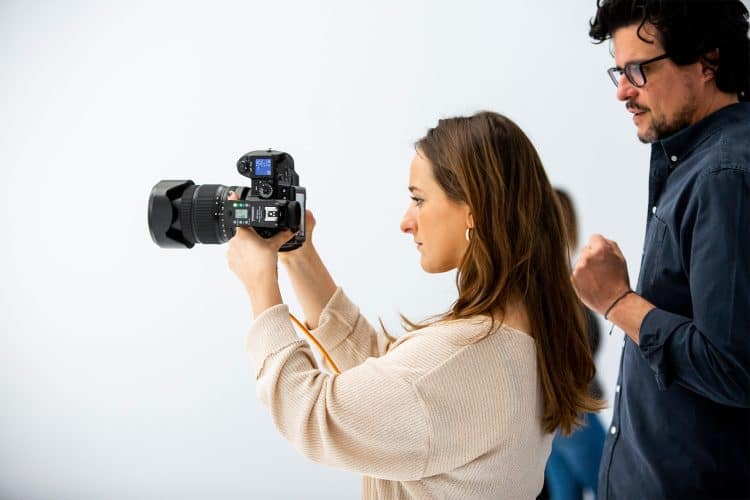
A workshop, on the other hand, focuses on practical experience. Participants spend most of their time photographing under the guidance of an experienced photographer while receiving immediate feedback.
Think of it like learning to drive a car.
A course teaches the rules of the road before gradually building confidence behind the wheel. A workshop puts you into real-world situations where you apply what you’ve already learned.
Both approaches have value. The best choice depends on where you are in your learning journey.
What You Learn During a Photography Course
Courses are ideal for beginners who want a solid understanding of how their camera works and why certain settings produce different results.
A quality programme typically covers:
- Camera controls
- Exposure fundamentals
- Aperture, shutter speed and ISO
- Composition techniques
- Focus systems
- White balance
- Understanding different lenses
- Lighting basics
- File formats
- Introduction to editing
Each lesson builds upon the previous one, giving students confidence before moving on to more advanced topics.
This structured progression helps remove much of the confusion that beginners often experience when trying to learn through random online videos.
What Happens During a Workshop?
Workshops are centred around doing rather than listening.
Instead of spending hours in a classroom, participants photograph real subjects while instructors provide guidance throughout the session.
Depending on the workshop, you may photograph:
- Portraits
- Fashion
- Landscapes
- Wildlife
- Street photography
- Studio lighting
- Product photography
- Night photography
Because workshops are highly practical, you will receive feedback while shooting, making it easier to correct mistakes immediately.
This kind of hands-on learning often accelerates improvement because you are applying techniques in real situations rather than simply reading about them.
Which Option Is Better for Complete Beginners?
If you have never used anything other than Auto mode, a beginner photography course is usually the better starting point.
Without understanding the basics of exposure, focusing or composition, it’s easy to become overwhelmed during an intensive practical session.
A structured learning environment provides:
- Clear explanations
- Time to ask questions
- Practice between lessons
- Progressive skill development
- Greater confidence using your camera
Once those foundations are established, workshops become significantly more rewarding.
When a Workshop Makes More Sense
A workshop is often the ideal choice if you already understand the fundamentals but want to improve a specific area.
Perhaps you’ve mastered camera settings but struggle with:
- Directing people during portraits
- Using flash creatively
- Working with natural light
- Studio lighting
- Landscape composition
- Wildlife techniques
Rather than covering the basics again, workshops immerse you in exactly the type of photography you want to improve.
This focused approach allows photographers to solve real challenges much faster.
Learning Styles Matter
Everyone learns differently.
Some people prefer structured lessons and written explanations, while again there are others that retain information by practising repeatedly.
If you enjoy understanding the theory before putting it into practice, a course is likely to suit you. In the same breath, if you are someone who learns by experimenting and receiving instant feedback, a workshop may feel more engaging.
Many photographers ultimately benefit from combining both methods.
Why Many Photographers Choose Both
Rather than viewing the decision as one or the other, many photographers begin with a beginner course before attending specialist photography workshops throughout the year.
This combination offers the best of both worlds. The course develops technical confidence, while the workshop develops practical confidence.
Over time, this balanced approach supports continuous creative development, helping photographers tackle increasingly challenging subjects with greater consistency.

Comparing Your Photography Training Options
When evaluating different photography training options, consider more than just price.
Ask yourself:
- What experience level is this aimed at?
- Will I receive personal feedback?
- Is there practical shooting time?
- How many students attend?
- Can I ask questions?
- What equipment is provided?
- Is there support after the session?
Smaller groups often provide a more personalised experience, allowing instructors to spend time with each participant.
That individual guidance can make a significant difference to your progress.
The Benefits of Learning in Person
Online tutorials certainly have their place.
However, they cannot observe how you’re holding your camera, explain why your images aren’t sharp or demonstrate lighting adjustments specifically for your scene.
Learning face-to-face offers advantages that video content cannot replicate.
These include:
- Immediate correction of mistakes
- Personal coaching
- Practical demonstrations
- Real-world shooting environments
- Direct answers to your questions
- Motivation from learning alongside others
These experiences often build confidence much faster than learning alone.
Questions to Ask Before Booking
Before choosing a learning experience, consider these questions that will be helpful to you.
What do I want to improve?
If you need overall confidence with your camera, start with a structured programme.
If you want to master one specific genre, a specialist workshop may be more suitable.
How much practical shooting is included?
Some classes are heavily theory-based.
Others dedicate most of the session to photographing.
Choose the format that matches how you prefer to learn.
Will I receive personal feedback?
Constructive feedback is often where the greatest learning takes place.
Look for instructors who actively coach participants rather than simply demonstrating techniques.
Is the instructor experienced?
An experienced educator understands not only photography but also how to teach beginners effectively.
Look for someone with a proven track record, professional experience and positive student feedback.
Which Choice Will Help You Improve Faster?
There isn’t one correct answer.
If you’re starting from scratch, building a strong technical foundation usually leads to better long-term results.
Once you’re comfortable with your camera, attending practical sessions helps reinforce those skills through real-world experience.
Many photographers find their greatest progress comes from alternating between learning and practising.
Knowledge without application is easily forgotten.
Practice without understanding often leads to frustration.
The most successful photographers continually combine both.
Choosing the Right Path
Choosing between a course and a workshop doesn’t have to be difficult.
Think about your current skill level, your goals and how you enjoy learning.
If you need structured guidance, a beginner course provides a comprehensive foundation.
If you’re ready to apply your knowledge in practical situations, a workshop offers valuable experience with expert feedback.
Whichever route you choose, consistent practice remains the most important ingredient in becoming a better photographer.
If you are ready to take the next step, explore our photography workshops and discover practical sessions designed to build confidence behind the camera.
Frequently Asked Questions (AEO & GEO)
Is a photography course better than a workshop?
Neither is universally better. Courses provide structured learning over time, while workshops focus on practical application. Beginners often benefit from a course first, followed by workshops to reinforce their skills.
What is the difference between a photography course and a photography workshop?
A course teaches photography through a planned curriculum covering technical foundations and theory. A workshop focuses on practical shooting with live guidance and immediate feedback in real-world scenarios.
Can beginners attend photography workshops?
Yes. Many workshops welcome beginners, although those with a basic understanding of camera settings often gain more value from the experience. Some workshops are specifically designed for complete newcomers.
How long does it take to learn photography?
Learning the basics can take a few weeks with regular practice. Developing consistent technical and creative skills is an ongoing process that improves through continued shooting, feedback and experience.
Should I learn photography online or in person?
Online resources are useful for learning concepts at your own pace. In-person learning offers personalised coaching, immediate feedback and practical experience that can accelerate improvement.
Are small photography classes better?
Smaller groups usually allow instructors to provide more individual attention, making it easier to ask questions, receive feedback and improve more quickly.
How do I choose the right photography training?
Consider your current experience, learning style and objectives. If you need to understand camera fundamentals, choose a structured course. If you want to improve a specific genre or technique, a practical workshop is often the better option.
What should I bring to a beginner photography workshop?
Bring your camera, a charged battery, memory cards, any lenses you own, and a notebook if you’d like to take notes. Comfortable clothing is also recommended, especially for outdoor sessions.