
Beginner’s Guide to Photography: First 10 Steps
Mon Aug 2025

Category:
Learning photography can feel overwhelming at first. With so many buttons on the camera, new words to understand, and endless advice online, it’s easy to feel stuck before you even start. The good news is that you don’t need to know everything right away. Photography is a journey, and like any journey, the best way to begin is with small, simple steps.
This guide will walk you through the first 10 steps to get started in photography. Whether you’ve just bought your first camera, or you’re still thinking about taking the leap, these beginner photography tips will help you start with confidence.
Step 1: Choose Your Camera
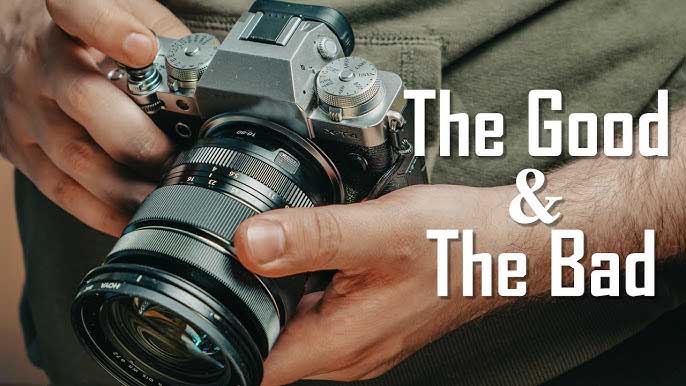
The first step is simple: you need something to take pictures with. Luckily, you don’t need the latest or most expensive gear. A basic DSLR, a mirrorless camera, or even your smartphone can be enough to get started.
- DSLRs are solid beginner choices, often more affordable second-hand.
- Mirrorless cameras are smaller and lighter, with modern features.
- Smartphones are perfect for practice if you’re not ready to buy a camera yet.
The best camera is the one you’ll actually use. Don’t get stuck on specs, but rather focus on learning.
Step 2: Learn the Basic Settings
Understanding your camera’s key settings is the foundation of photography. The three most important are:
- Aperture (f-stop): Controls how much light enters the lens and affects depth of field ( just like the pupil of the eye, same principal revolving around exposure)
- Shutter Speed: Controls how long the shutter stays open and affects motion (freeze or blur).
- ISO: Adjusts the camera’s sensitivity to light.
Together, these form the exposure triangle. Learning how they interact will change how you see photography. This is the basic foundation for all keen photographers to understand.
Tip: Don’t worry about perfection. Start by experimenting by changing one setting at a time and see what happens. Start by enrolling in a short and tailored on hand Beginner Photography Course
Step 3: Start with Auto, Then Move to Manual
At the beginning, it’s fine to use Auto mode. It helps you get comfortable in navigating through the camera and lets you focus on composition. But as you gain confidence, try switching to:
- Aperture Priority (A/Av): You control depth of field.
- Shutter Priority (S/Tv): You control motion.
- Manual Mode (M): You control everything.
This gradual shift will give you control while building confidence step by step.

Step 4: Learn to Hold Your Camera Properly
It might sound obvious, but holding your camera correctly makes a big difference. A shaky grip can ruin a shot.
- Hold the camera with both hands.
- Keep elbows tucked close to your body.
- Use your left hand to support the lens.
- Stand steady or lean against something when possible.
A stable hold means sharper photos, especially in low light.
Step 5: Understand Light
Light is photography’s most important ingredient. How you use it will define your photos.
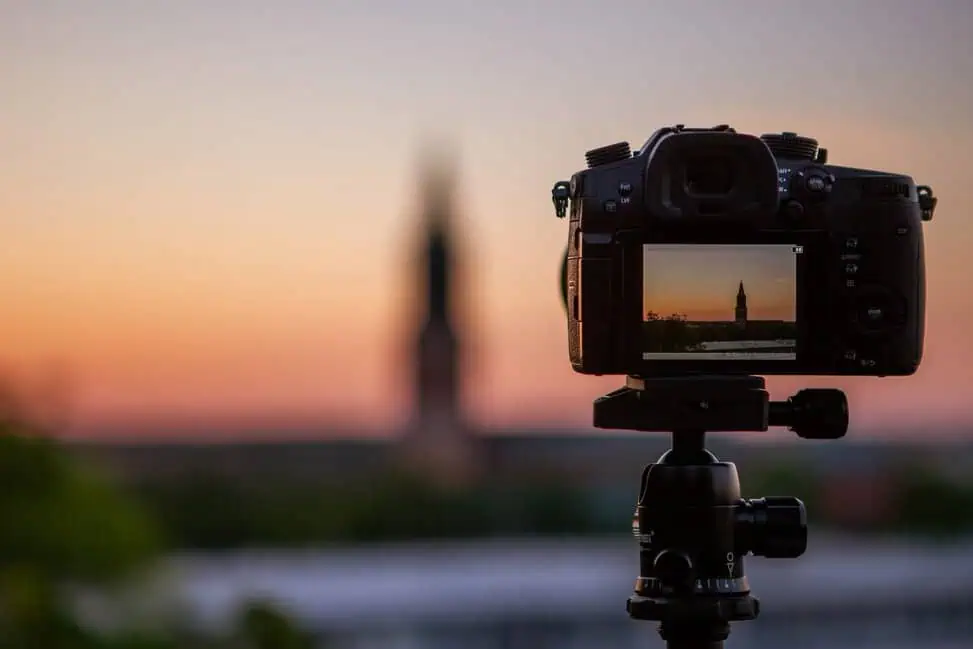
- Natural Light: Best for beginners. Shoot in the early morning or late afternoon (“golden hour”) for soft, warm tones.
- Artificial Light: Learn how lamps, flash, or studio lights affect your subject.
- Direction of Light: Front light reveals detail, side light adds drama, backlight creates silhouettes.
Experiment with light, and soon you’ll start seeing opportunities everywhere. Photography is all about light and how you make use of it to tell your story.
Step 6: Focus on Composition
A great photo isn’t only about settings, it’s about how you frame the subject.
Some beginner friendly composition rules are:
- Rule of Thirds: Place your subject off-centre for balance.
- Leading Lines: Use paths, roads, or fences to guide the eye.
- Framing: Use windows, doors, or arches to frame your subject.
- Simplicity: Avoid clutter where less is often more.
Composition skills will make your photos look more professional instantly.
Step 7: Practise Every Day
The fastest way to improve is through consistent practice.
- Take your camera everywhere.
- Pick small projects (e.g. “photograph doors” or “shadows”).
- Shoot the same subject in different ways and angles.
Photography is like learning a language, the more you practise, the more fluent you become.
Step 8: Learn to Edit
Taking the photo is only half the process, the editing helps bring your vision to life.
- Start with free apps like Snapseed or Lightroom Mobile or even the free Gimp application for desktop.
- Basic edits include cropping, straightening, adjusting exposure, and boosting contrast using the levels and curves
- Avoid over-editing. Subtle changes usually work best, where overediting causing the image to loose quality.
Editing helps you see your images in a new way and teaches you what to improve in camera while developing your style.

Step 9: Study and Get Inspired
Photography is both an art and a skill. Studying others can help you grow.
- Look at the work of famous photographers.
- Follow photography blogs or social media accounts.
- Join local photo walks or photography workshops.
Ask yourself: What do I like about this image? How did they achieve it? Then try to recreate it in your own style.
Step 10: Share Your Work
Photography is meant to be seen. Sharing your work not only builds confidence but also helps you learn from feedback.
- Post on Instagram, TikTok, or a personal blog.
- Share with friends and family.
- Join online communities for beginners.
Don’t be afraid of criticism. Every photographer starts as a beginner, and feedback is one of the fastest ways to improve. Look at it as ‘constructive advice’ you can learn from.
Common Mistakes Beginners Make (and How to Avoid Them)
- Buying too much gear too soon: Master one camera before upgrading.
- Only shooting in Auto: Step out of your comfort zone.
- Forgetting composition: Settings alone won’t make a photo great.
- Not backing up photos: Use cloud storage or an external drive.
- Comparing yourself to others: Focus on your own progress.
All-in-All
Photography is a journey that rewards patience, curiosity, and creativity. By starting small, experimenting often, and practising regularly, you’ll see your skills grow faster than you expect.
Remember: every professional photographer once started as a beginner, just like you. The most important step is simply to begin.
Ready to go further? Enroll for our Beginner to Pro Course and get hands-on guidance to accelerate your progress.