
Common Mistakes Beginners Make in Photography (and How to Fix Them)
Fri Aug 2025

Category:
Photography is one of the most rewarding creative pursuits. Always keep in mind that great photographer once started as a beginner making the same common mistakes as everyone. The good news is that with a little guidance, these errors can be avoided or quickly corrected, so your photos look polished, intentional, and professional.
In this guide, we’ll break down the most frequent beginner photography mistakes, show you the before/after style examples, and share expert tips to elevate your images. If you’re just getting started, this is your roadmap to better photos and more confidence behind the camera.
1. Shooting in Auto Mode All the Time
The Mistake:
Many beginners stick to their camera’s Auto setting, thinking it guarantees the best results. While convenient, Auto takes away creative control and often leads to overexposed skies, underexposed subjects, and flat-looking photos. The camera when in Auto lets the camera dictate and often the result is poor.

The Fix:
- Start learning the Exposure Triangle (Aperture, Shutter Speed, ISO).
- Experiment with Aperture Priority Mode (A/Av) to control depth of field.
- Switch to Shutter Priority Mode (S/Tv) when capturing motion.
2. Poor Composition
The Mistake:
Centering every subject or not paying attention to background distractions can make photos feel amateurish.

Before: A portrait where the subject’s head is cut off, and a trash can is visible in the background.
After: The same subject framed using the Rule of Thirds, with clean background separation.
The Fix:
- Use the Rule of Thirds grid on your camera.
- Look for leading lines (roads, fences, rivers) to guide the viewer’s eye.
- Always check the edges of your frame for unwanted distractions before shooting.
Pro Tip: Move your feet! Don’t just rely on zoom—change your perspective for a stronger composition.
3. Ignoring Lighting
The Mistake:
New photographers often shoot in harsh midday sunlight or dim indoor lighting, leading to harsh shadows, blown highlights, or blurry images.

Before: A portrait at noon with dark shadows across the face.
After: The same portrait taken during golden hour with soft, flattering light.
The Fix:
- Learn the difference between hard light (direct midday sun) and soft light (cloudy days, golden hour).
- When shooting indoors, use window light or a simple reflector.
- If possible, avoid using the built-in flash—it creates flat, unflattering light.
4. Not Paying Attention to Focus
The Mistake:
Out-of-focus photos are one of the most frustrating beginner problems. Often, the camera locks onto the wrong subject.

Before: A family photo where the background tree is sharp, but the faces are blurry.
After: A sharp, crisp family portrait with eyes in perfect focus.
The Fix:
- Use Single Point Autofocus (AF-S/One-Shot) for still subjects.
- Switch to Continuous Autofocus (AF-C/AI Servo) for moving subjects.
- Always focus on the eyes when photographing people.
5. Over-Editing Photos
The Mistake:
In the excitement of editing, beginners sometimes oversaturate colors, add too much contrast, or apply heavy filters that make photos look unnatural.

Before: A landscape where the sky is neon blue and grass looks radioactive green.
After: A natural-looking edit with balanced colors and contrast.
The Fix:
- Less is more—subtle adjustments usually look more professional.
- Use editing tools like Lightroom or Photoshop to make small tweaks.
- Pay attention to skin tones—if they look unnatural, dial back your edits.
6. Forgetting to Clean the Lens
The Mistake:
Smudges, dust, and fingerprints on the lens can ruin even the best shot.
The Fix:
- Always carry a microfiber cloth in your camera bag.
- Avoid wiping lenses with clothing—it can scratch the glass.
- Keep your lens cap on when not shooting.
7. Not Backing Up Photos
The Mistake:
Relying only on your camera’s memory card can lead to disaster if the card fails or gets lost.
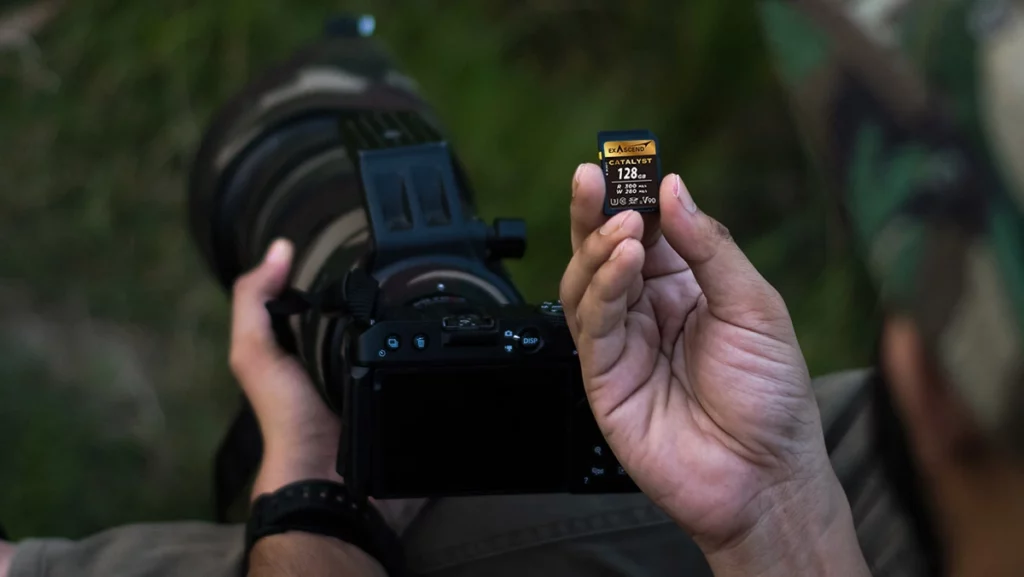
Before: Hours of work lost after a corrupted memory card.
After: Peace of mind with multiple backups.
The Fix:
- Create a system: back up to both a hard drive and cloud storage.
- Invest in a reliable SD card reader for quick transfers.
- Organize files with clear folder names and dates.
8. Neglecting Storytelling
The Mistake:
Beginners often focus only on technical perfection but forget the story or emotion behind the shot.
The Fix:
- Ask yourself: What am I trying to say with this image?
- Look for emotion, connection, or interesting details.
- Remember: A technically imperfect photo that tells a story often resonates more than a “perfect” but meaningless one.
Why Beginners Benefit from Guided Learning
Photography can feel overwhelming, but guided learning makes the process faster and more enjoyable. Our Beginner Photography Workshop is:
- Expert-Led: Learn directly from a professional photographer with years of experience.
- Intimate & Hands-On: Small group sizes ensure you get personal feedback.
- Locally Grounded: Explore stunning locations with a lifetime local who knows the best photo spots.
- Practice + Feedback: Walk away with not just photos, but real skills you can use forever.
Lessons Learned!?
Everyone makes mistakes when starting out in photography, but each mistake is an opportunity to learn. By avoiding these common beginner pitfalls, you’ll not only improve your technical skills but also grow your creative eye.
Remember: photography is a journey. Every professional once took blurry, poorly lit, or awkwardly composed photos. The difference is, they kept learning and practicing.
Your next step? Take control of your learning curve. Explore our Beginner Courses and sign up for our workshop toda…. you’ll be amazed how quickly your photos transform.