
Fashion Photography Workshop: From Concept to Final Image
Wed Oct 2026

Category:
Fashion photography involves much more than photographing clothes or positioning a model in front of a camera. The styling, lighting, composition and direction all play a part in shaping the final image. When these elements work together, a shoot can communicate a particular mood, tell a story or bring a creative concept to life.
For anyone looking to get into fashion or editorial photography, learning how to bring an idea together on set is an important part of the process. It takes creative judgement as well as technical ability, and things don’t always go according to plan. Knowing how to adapt when the lighting, styling or direction needs to change is just as valuable as understanding your camera.
A hands-on fashion photography workshop lets you experience what goes into a shoot, from developing the initial concept to working with a model and capturing the images.
The emphasis is on understanding why certain photographic decisions work, rather than simply memorising camera settings. The aim is to help you build confidence on set, experiment with different approaches and develop your own way of working.
What Does a Fashion Photography Workshop Cover?
Fashion-focused imagery involves several interconnected elements. The concept informs the styling, the styling influences the composition, and the lighting helps establish the mood and visual direction.
Learning to manage these elements together can help photographers move beyond taking individual pictures towards creating a consistent body of work.
A practical session may explore:
- Concept development: Establishing the visual direction and purpose of a shoot.
- Styling and wardrobe: Understanding how clothing, accessories, colour and texture contribute to the image.
- Working with models: Communicating direction, refining poses and building confidence on set.
- Lighting techniques: Using light and shadow to shape the subject, reveal detail and create atmosphere.
- Composition: Making deliberate choices about framing, perspective, background and negative space.
- Camera technique: Selecting appropriate settings and maintaining control over exposure, focus and image quality.
- Image selection and editing: Identifying the strongest photographs and understanding how post-production supports the original creative intention.
These skills are relevant whether you are interested in fashion campaigns, magazine-style editorials, independent designer projects or developing a personal portfolio.
1. Start with a Concept, Not Just a Camera
One of the first stages of dditorial photography is deciding what you want the images to communicate.
A concept does not have to be complicated. It might centre on a particular colour palette, a collection of garments, a location, a mood or a visual reference. The important thing is that the different elements support the same idea.
For example, a shoot built around minimalist tailoring might use clean backgrounds, controlled lighting and structured poses. A more expressive editorial could incorporate movement, unusual framing, dramatic shadows or contrasting colours.
Before the shoot, consider three questions:
- What is the central idea behind the images?
- What should the viewer notice first?
- How can styling, lighting and composition reinforce that intention?
Creating a simple mood board can help translate an abstract idea into a workable plan. Include visual references for lighting, poses, colour, wardrobe and location. This provides a useful starting point for discussions with a model, stylist or other collaborators.
Planning also helps you identify practical requirements in advance, including available space, equipment, wardrobe changes and the amount of time needed for each setup.
The aim is not to reproduce reference images exactly. It is to understand what makes them effective and use that knowledge to develop your own visual approach.
2. Understand Styling and Wardrobe
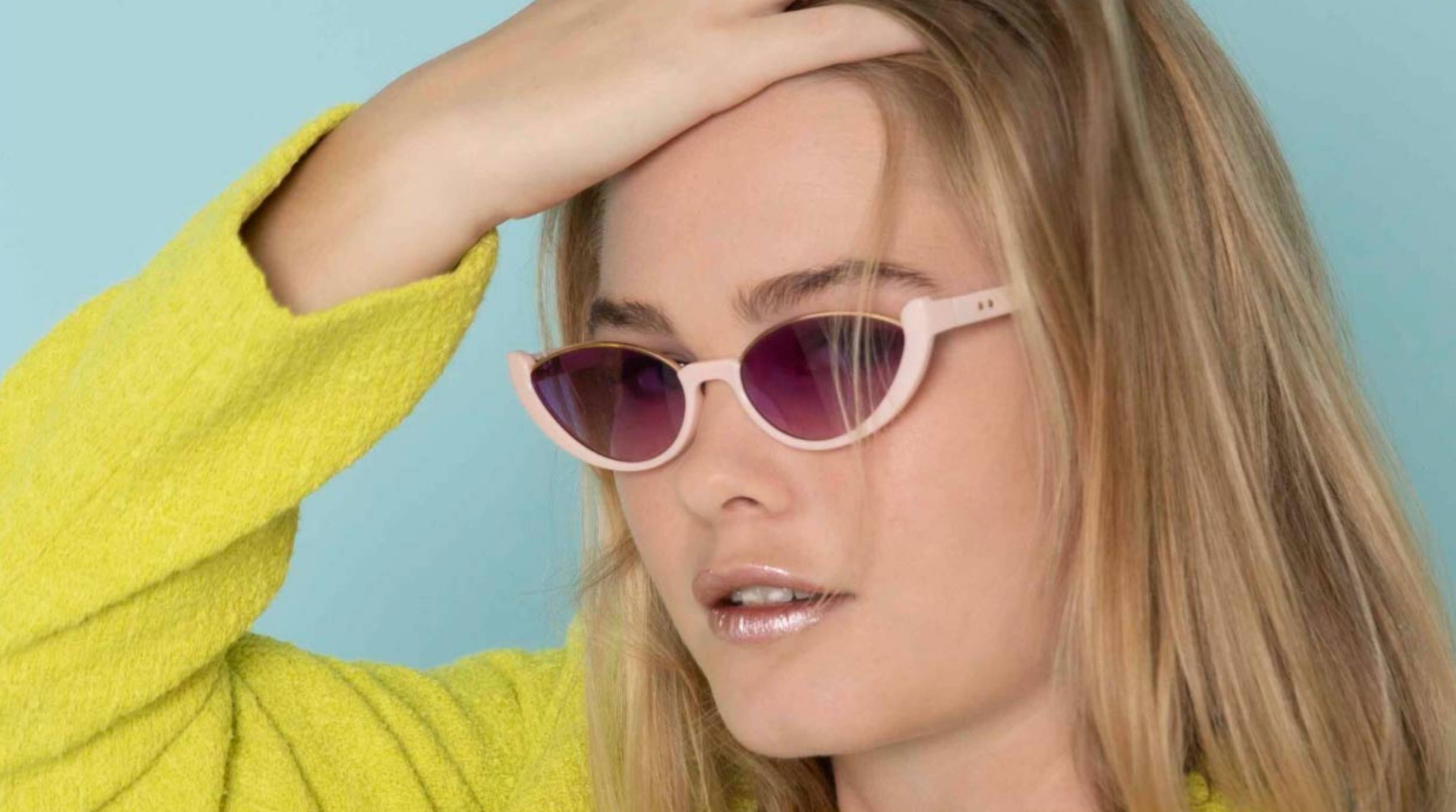
Clothing is central to fashion imagery, but the way it is photographed can be just as important as the garment itself.
Fabric, shape, texture and colour all influence how an image reads. A loose garment may require movement or a particular pose to reveal its shape, while structured clothing may benefit from stronger lines and more controlled positioning.
Pay attention to how the garment sits on the model. Small adjustments to a sleeve, collar, hem or fold can make a noticeable difference to the finished photograph.
Backgrounds matter, too. A busy setting can compete with intricate clothing, while a simple backdrop may help a distinctive silhouette or fabric stand out.
Styling should support the concept rather than become an isolated exercise. Consider how each wardrobe choice relates to the model, the setting, the lighting and the intended mood.
You do not necessarily need an extensive wardrobe or an elaborate production to create compelling images. A carefully selected outfit, considered accessories and a clear visual direction can provide plenty of creative possibilities.
3. Work Confidently with Models
Directing a model is an important part of portfolio styled photography, particularly for photographers who are new to working with people.
A camera can be technically well controlled, yet the resulting photograph may still feel awkward if the pose, expression or body language does not support the image.
Clear communication makes a difference. Rather than giving several vague instructions at once, try describing one adjustment at a time. You might ask the model to shift their weight, turn their shoulders, change their gaze or introduce a small movement.
Pay attention to the relationship between the face, hands, body position and clothing. The angle of a shoulder or the placement of a hand can alter the overall balance of the frame.
It also helps to explain the mood you are aiming for. Describing an image as relaxed, direct, restrained or energetic may give a model a clearer sense of the intended result than asking them simply to pose.
Reviewing a few frames together can help establish what is working and what needs to change. As you become more confident, you can develop a vocabulary of directions that is both efficient and collaborative.
For aspiring fashion and model photographers, these skills are valuable beyond editorial work. They are also relevant to designer lookbooks, model portfolios, commercial campaigns and portraiture.
4. Learn to Shape Light
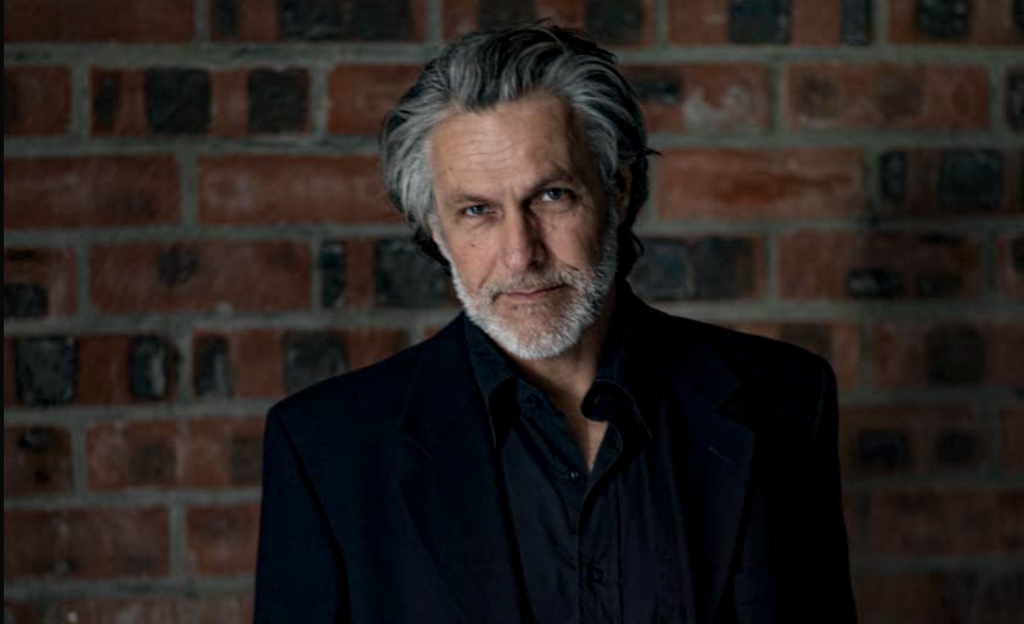
Lighting has a significant influence on the appearance of clothing, skin, texture and the overall atmosphere of an image.
Natural light can be an excellent starting point. Window light, open shade and changing daylight offer different qualities that can be explored with relatively little equipment.
Studio lighting provides additional control. By adjusting the position, size and direction of a light source, you can influence the contrast, shadows and definition within the photograph.
A large softbox placed close to the subject, for instance, can produce soft transitions between light and shadow. A smaller or more directional source may create more pronounced contrast and emphasise texture.
Neither approach is automatically better. The right choice depends on the concept, the clothing and the result you want to achieve.
When learning to light a fashion image, pay attention to:
- Direction: Where is the light coming from, and how does it shape the face and clothing?
- Quality: Is the light soft and diffused or hard and directional?
- Contrast: How much detail is visible in the shadows and highlights?
- Consistency: Separation: Does the subject stand out clearly from the background?
- Does the lighting remain appropriate as the model changes position?
It is useful to change one variable at a time and observe the difference. This develops an understanding of cause and effect, rather than relying on memorised lighting diagrams.
The same principles can be applied across different setups, allowing you to adapt your approach to the space, equipment and creative requirements available.
5. Build Stronger Composition
Composition determines how the viewer moves through an image and where their attention is directed.
In style-led imagery, the frame needs to work with the garment, the model’s pose and the intended message. A technically sharp photograph can still feel unconvincing if the subject is poorly positioned or the background introduces unnecessary distractions.
Start with the relationship between the model and the edges of the frame. Consider whether a full-length, three-quarter or close-up composition best communicates the clothing and concept.
Look for lines, shapes and areas of negative space that support the image. A simple background can provide visual clarity, while architectural details or environmental elements can introduce structure and context.
Perspective also matters. Changing the camera height or shooting distance can alter proportions and the relationship between the subject and their surroundings.
Rather than relying on a single framing choice, explore a few variations. Photograph the same setup from different distances, adjust the camera height or ask the model to make a small movement. Comparing these frames helps reveal how composition changes the impact of the photograph.
Over time, these decisions become more intuitive. The aim is to understand why a composition works, so you can make deliberate choices on future shoots.
6. Photograph with Purpose
Once the concept, styling, direction and lighting begin to work together, the next challenge is to capture a coherent set of images.
It can be tempting to take as many photographs as possible in the hope that a strong image will emerge. A more useful approach is to work methodically, reviewing the results and making adjustments as you go.
Check focus, exposure, highlights and shadows. Look for clothing that has shifted out of position, distracting background details or poses that feel less natural than intended.
At the same time, remain open to unexpected opportunities. A change in expression, an unplanned movement or a different interaction with the light may produce a more compelling image than the original plan.
Technical consistency is important, but it should support the creative process rather than restrict it.
A practical workshop gives you the opportunity to experiment with these decisions while seeing how changes to the setup affect the resulting photographs.
7. From Image Selection to the Final Photograph
The shoot does not end when the camera is packed away. Selecting and refining the strongest images is another important part of the process.
Begin by reviewing the photographs against the original concept. Consider which frames communicate the intended mood, show the clothing effectively and demonstrate strong posing and composition.
Avoid selecting images simply because they look different from one another. A coherent series often communicates more effectively than a collection of unrelated photographs.
Post-production should then support the qualities already present in the image. Adjustments to exposure, colour balance, contrast and tonal range can help create a consistent finish.
Retouching may also be appropriate, depending on the brief. The objective is to make considered improvements without losing the character of the photograph or introducing unnecessary alterations.
For a portfolio, consistency matters. A small selection of well-executed images that demonstrate lighting control, model direction and visual judgement can be more effective than a large collection of unfinished or repetitive work.
If you are exploring commercial fashion imagery professionally, it is also useful to understand the intended use of the images, the client’s expectations and the permissions required for portfolio display. Clear agreements with collaborators help establish good working practices from the beginning.
8. Is a Fashion Photography Course Right for You?
Learning independently can be valuable, particularly when you have access to a camera, willing subjects and opportunities to practise. However, it can be difficult to identify why an image is not working or which technical adjustment will improve it.
A structured fashion photography course or practical workshop can help bridge that gap by bringing instruction and hands-on experience together.
Instead of concentrating exclusively on theory, you can explore the decisions involved in an actual shoot, test different approaches and learn to recognise the effect of your choices.
This can be particularly helpful if you already understand basic camera operation but want to develop your creative direction, lighting skills or confidence when working with models.
When choosing a workshop, look for practical relevance, clear instruction and an opportunity to apply what you learn. The instructor’s professional experience is important, but so is their ability to explain techniques in a way that makes them useful to photographers at your level.
Consider whether the learning environment matches your needs. Some photographers benefit from individual tuition, while others enjoy learning in a group and observing different approaches.
A credible master course in fashion will illustrate a wider emphasis on practical photography education to help participants understand their equipment, develop sound technique and make more informed creative decisions. The most useful learning experience is one that gives you principles you can apply long after the session has finished.
Take Your Fashion Photography Further
Fashion campaign photography combines technical control with visual storytelling. Understanding how concept, styling, model direction, lighting and composition interact gives you a stronger foundation for creating images with purpose.
You do not need to master every technique at once. Start with a clear idea, practise one or two lighting approaches, learn to direct a model and review your results critically. Each shoot becomes an opportunity to refine your judgement and build a more distinctive style.
If you are ready to move beyond experimentation and develop your skills in a practical setting, explore the available Fashion Workshops and Photography Courses to find a learning option that suits your experience and creative goals.
Fashion Photography Workshop: Frequently Asked Questions
What is a fashion photography workshop?
A fashion photography workshop is a practical learning experience focused on creating fashion-oriented images. Depending on the programme, it may cover concept development, styling, model direction, lighting, composition, camera technique and image selection.
Do I need experience to attend a fashion photography workshop?
Not necessarily. The appropriate starting point depends on the workshop. Beginners may benefit from understanding basic camera controls first, while photographers with existing experience may be ready to explore more advanced lighting, creative direction and editorial techniques.
What equipment do I need for fashion photography?
A camera that allows you to control exposure and focus is a useful starting point. A suitable lens, access to light sources and an understanding of camera settings will also help. The equipment required for a workshop will depend on its format and should be confirmed with the organiser beforehand.
How do you plan a fashion photoshoot?
Start with a concept and define the intended mood. Develop a mood board, select suitable clothing and accessories, consider the model and location, and plan the lighting and compositions. Confirm practical arrangements in advance so you can concentrate on creating images during the shoot.
What lighting is best for fashion photography?
There is no single best lighting setup. Soft light can create gentle transitions and flatter textures, while harder, more directional light can produce stronger contrast and drama. The most suitable approach depends on the clothing, concept, location and desired visual effect.
Can a fashion photography workshop help me build a portfolio?
A practical workshop can help you develop the skills needed to create stronger portfolio images. Whether you can use photographs produced during a particular session depends on the workshop arrangements, image usage permissions and any agreements with models or other collaborators.
What is the difference between fashion and editorial photography?
Fashion photography focuses on presenting clothing, accessories and style. Editorial photography uses images to communicate a broader story, theme or point of view, often for magazines or other publications. The two frequently overlap, particularly when clothing is used to support a narrative or creative concept.
How can I improve my fashion photography without expensive equipment?
Begin by learning to control the light available to you, making deliberate composition choices and practising model direction. Use simple backgrounds, pay attention to styling details and review your images to identify what can be improved. Understanding light and visual storytelling is often more valuable than acquiring additional equipment.
How do I choose the right fashion photography course?
Look for a course that matches your current ability and gives you opportunities to practise relevant techniques. Consider the instructor’s experience, the balance between theory and practical work, the equipment available and whether the teaching addresses your specific goals.
Ready to develop your skills? Explore dlphoto’s Fashion Workshops and Photography Courses to discover the available learning opportunities.