
How to Choose the Right Photography Workshop
Mon Aug 2025

Category:
Choosing the right photography workshop can be a turning point in your creative journey. With so many options available; from weekend crash courses to intensive mentorships, it’s important to find the workshop that matches your skill level, goals, and personal style of learning. Whether you’re a beginner picking up a camera for the first time, or an intermediate photographer aiming to refine your craft, the right workshop will give you the confidence, technical know how, and artistic inspiration to take your photography to the next level.
In this guide, we’ll break down the key factors to consider when deciding which workshop is best for you, along with tips on how to make the most of the experience.
Why Attend a Photography Workshop?
Before diving into the “how,” let’s look at the “why.” Photography workshops are not just about learning technical skills, they are immersive experiences that bring together like minded people, foster creativity, and offer hands on practice under the guidance of professionals.
Some of the biggest benefits include:
- Personalised feedback – Instructors can quickly identify what you’re doing right (and wrong) and guide you with practical fixes.
- Hands on practice – Unlike online tutorials, workshops put you in real shooting environments with immediate learning opportunities.
- Structured learning – Lessons are tailored and customised to a level, so you don’t waste time on skills you already know.
- Networking – You’ll meet other photography enthusiasts, some of whom may collaborate or end up making friends.
- Inspiration – Seeing others’ work and creativity often sparks new ideas in assisting you your creative journey.
Step 1: Identify Your Skill Level
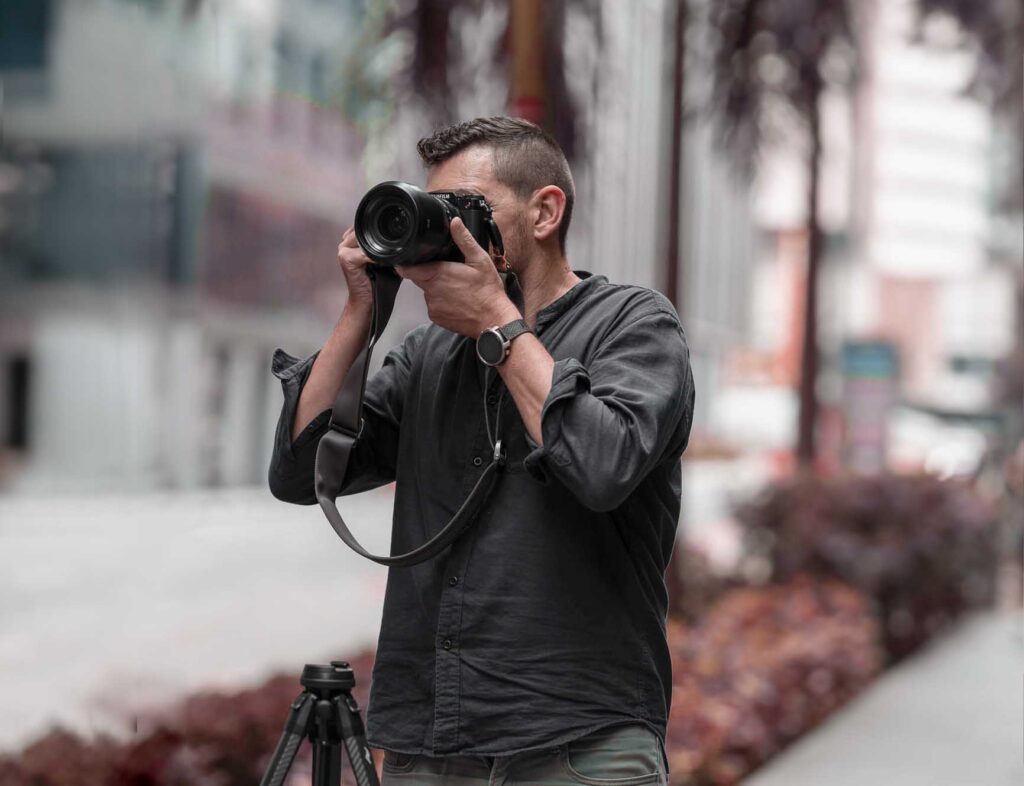
The first step in choosing the right photography workshop is being honest about where you are right now.
- Beginner Workshops – Perfect if you’re still figuring out manual settings, composition, and basic camera handling. A beginner class usually covers the exposure triangle (aperture, shutter speed, ISO), basic lighting, and simple editing.
- Intermediate Workshops – Designed for those who already understand the basics but want to refine skills such as portrait lighting, studio setups, long exposure, or storytelling through images.
- Advanced & Specialised Workshops – If you’re already shooting professionally or at a high level, these courses dive into niche areas like fashion, product, or documentary photography.
If you’re unsure, ask yourself: Do I still struggle with manual mode? If yes, start with a beginner class. If not, an intermediate-level workshop will challenge you more.
Explore our full suite of photography workshops
Step 2: Define Your Goals
Once you know your level, think about what you want to achieve. Your goals will shape which workshop is the best fit.
Some common goals include:
- Mastering your camera – If you want total control over settings, a Camera Basics or Manual Mode workshop is ideal.
- Building confidence with people photography – Go for a Portrait or Studio Lighting workshop.
- Expanding your creative eye – Try a Street, Landscape, or Travel photography workshop where composition and vision are emphasised.
- Improving workflow and editing – Choose a course with a post-production component (e.g., Adobe Photoshop).
Tip: Write down three specific outcomes you want from your workshop (e.g., “I want to take sharper night shots,” or “I want to learn professional studio lighting.”) Having these in mind will help you stay focused.
Step 3: Look at the Format
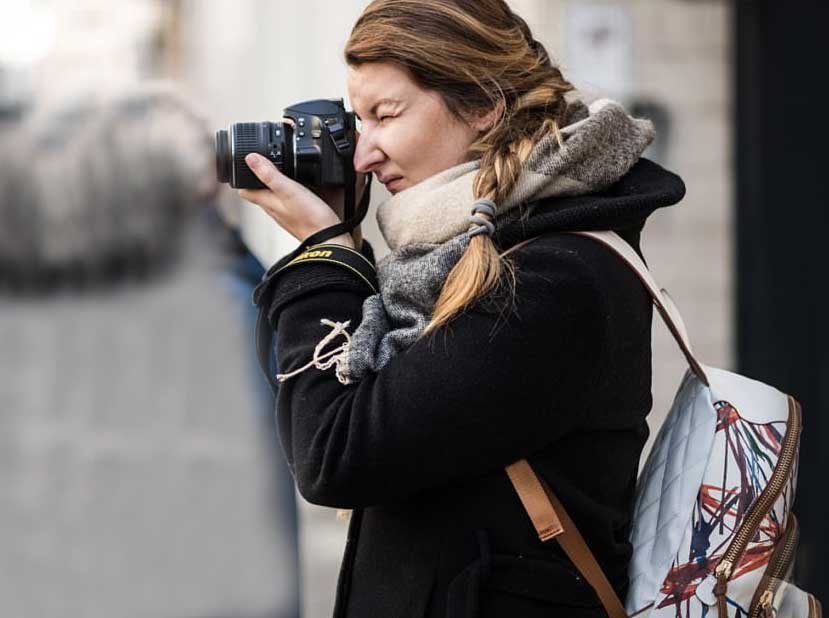
Photography workshops can take many forms. Ask yourself: How do I learn best?
- One-day Intensive Workshops – Great if you’re short on time or want to focus on one specific skill.
- Weekend or Multi-day Courses – Allow deeper practice and immersion.
- Studio-based Classes – Perfect for controlled lighting, portraits, and product photography.
- Outdoor/On-location Workshops – Ideal for landscapes, street, wildlife, or travel photography.
- Private 1-on-1 Sessions – Tailored learning with direct mentorship and faster progress.
At dlphoto, we offer both studio and on-location workshops, ensuring that you can learn in the environment that best suits your goals.
Step 4: Research the Instructor
The quality of a workshop depends heavily on who is teaching it. A good instructor not only knows photography but also knows how to teach it effectively.
When researching instructors, ask:
- Do they have professional experience in the field they’re teaching?
- Is their teaching style hands on and engaging?
- Do they offer personalised feedback instead of just lecturing?
For example, all our dlphoto workshops are owner run with years of both teaching and industry experience, ensuring you learn practical, real world techniques and not just theory.
Step 5: Consider Class Size
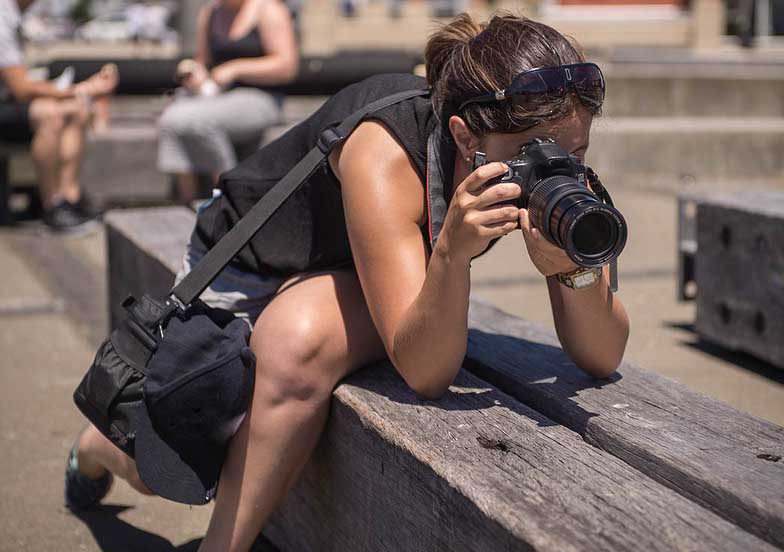
The size of the group can affect your experience.
- Small groups (4–6 people) offer more interaction, feedback, and shooting time.
- Large groups can be fun and social, but you may get less personal attention.
- Private workshops provide maximum flexibility and one-on-one mentoring.
If you want hands-on support and fast improvement, smaller is usually better.
Step 6: Location and Equipment
Think about logistics:
- Is the workshop conveniently located? A local studio or accessible outdoor venue makes it easier to attend.
- Do they provide equipment? Some workshops let you test pro gear, while others require you to bring your own.
- Does the environment match your goals? For example, if you want to learn studio lighting, a well-equipped studio is essential.
Our photography workshops are held in a fully-equipped professional studio in Cape Town, with lighting gear included in all packages, plus outdoor options for those who prefer natural settings.
Step 7: Read Reviews & Testimonials
Before booking, see what past students say. Reviews often reveal details about teaching style, pace, and overall experience that you won’t find in a course description.
Look for feedback on:
- Clarity of instruction
- Level of personal attention
- Organisation and professionalism
- Whether students felt more confident afterward
You can find testimonials and student success stories on our website, which give a good idea of what to expect.
Step 8: Budget Wisely
Photography workshops vary in price depending on the length, equipment, and level of instruction. While it may be tempting to go for the cheapest option, remember that quality teaching and smaller groups are worth the investment.
Consider:
- Value for money – Are you getting personal guidance and real shooting practice?
- Future benefits – The right workshop may help you build a portfolio or even kickstart a career.
Our workshops are designed to be affordable while still offering a professional learning environment, so you can grow your skills without breaking the bank.
Step 9: Book Early
The best workshops often fill up quickly, especially those with small class sizes. To avoid missing out, plan ahead and book your spot early.
View and book our upcoming workshops here.
Tips to Get the Most Out of Your Workshop
- Arrive prepared – Bring your camera, charged batteries, memory cards, and any gear you want to practice with, unless cameras are provided.
- Ask questions – Don’t be shy; instructors are there to help.
- Practice afterward – Skills fade quickly unless you apply them regularly.
- Stay connected – Keep in touch with classmates or join photography communities for continued inspiration.
So… What Do We Think?
Choosing the right photography workshop is about more than just convenience, it’s about finding the course that aligns with your skill level, goals, and learning style. With the right workshop, you’ll not only improve your technical skills, but also discover new ways to express yourself through photography.
Whether you’re a complete beginner or a photographer looking to sharpen your craft, dlphoto offers a full suite of photography workshops designed to support your growth every step of the way. From mastering manual mode to exploring advanced studio setups, our workshops give you the tools, confidence, and inspiration to capture the world in your own unique way.