
How To Scout Locations in Cape Town
Fri Mar 2026

Category:
Cape Town is one of the most visually diverse cities in the world. From rugged mountains and expansive beaches to colourful neighbourhoods and historic architecture, the variety of landscapes makes it a magnet for photographers. But capturing powerful images here requires more than just having a camera in your bag – you can embrace the majesty of Cape Town’s outside photography opportunities.
Effective location scouting helps photographers find the best light, understand practical considerations, and anticipate challenges before a shoot. Whether you are planning portraits, landscape work, or commercial assignments, learning how to properly scout Cape Town photography locations can dramatically improve your results.
This guide outlines a practical approach to scouting in Cape Town, including planning, permits, parking logistics, and how to evaluate scenery before the shoot.
Why Location Scouting Matters for Photographers
Location scouting is the process of evaluating a potential shooting location in advance. Instead of improvising on the day, a photographer needs to gather information about the environment, lighting conditions, and accessibility beforehand.
In a city like Cape Town, scouting is especially important because:
- Weather and wind conditions can change quickly
- Many locations require permits for commercial work
- Popular viewpoints become crowded at certain times
- Lighting varies dramatically depending on the mountain shadows
A well-scouted location allows you to plan compositions, determine the best time of day to shoot, and avoid unnecessary delays during client sessions.
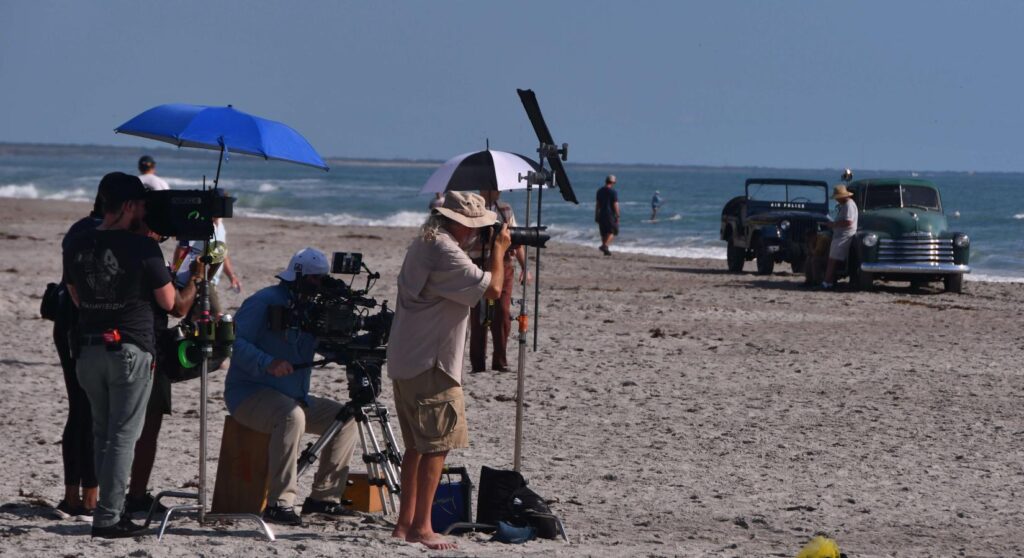
Step 1: Research Cape Town Photography Locations
Start your scouting process online before visiting locations in person. Digital research helps narrow down options and identify promising areas.
Use tools such as:
- Google Maps satellite view
- Photography communities and forums
- Local photography blogs and guides
- Instagram geotags for visual references
When researching Cape Town photography locations, look for diversity in scenery. Some photographers specialise in coastal imagery while others focus on urban textures or mountain landscapes.
A few elements to consider during research include:
- Direction of sunlight at sunrise and sunset
- Accessibility and nearby parking
- Crowds and tourist activity
- Safety considerations in unfamiliar areas
This early research phase saves time when you begin scouting physically.
Step 2: Visit the Location at Different Times
Cape Town’s lighting changes significantly throughout the day due to the surrounding mountains and ocean reflections.
When scouting, try to visit the location at least twice:
Morning visit
- Observe sunrise light direction
- Evaluate shadows from buildings or cliffs
- Check early morning activity levels
Late afternoon visit
- Assess golden hour lighting
- Observe sunset positions relative to the landscape
- Check how busy the location becomes
These observations help you determine whether the scenery works better for sunrise landscapes, sunset portraits, or midday architectural work.
Step 3: Evaluate the Scenery for Composition
Not every beautiful place translates into a strong photograph. While scouting, think like a photographer rather than a tourist.
Look for elements that strengthen visual storytelling:
- Leading lines such as boardwalks or pathways
- Natural framing from trees or rock formations
- Foreground elements to add depth
- Background layers like mountains or ocean horizon
Cape Town’s scenery offers unique combinations of urban and natural elements, such as colourful houses paired with distant mountain views that can create striking compositions.
Take reference photos with your phone during scouting. These quick images help you remember angles, lighting and time of day, and compositions later.
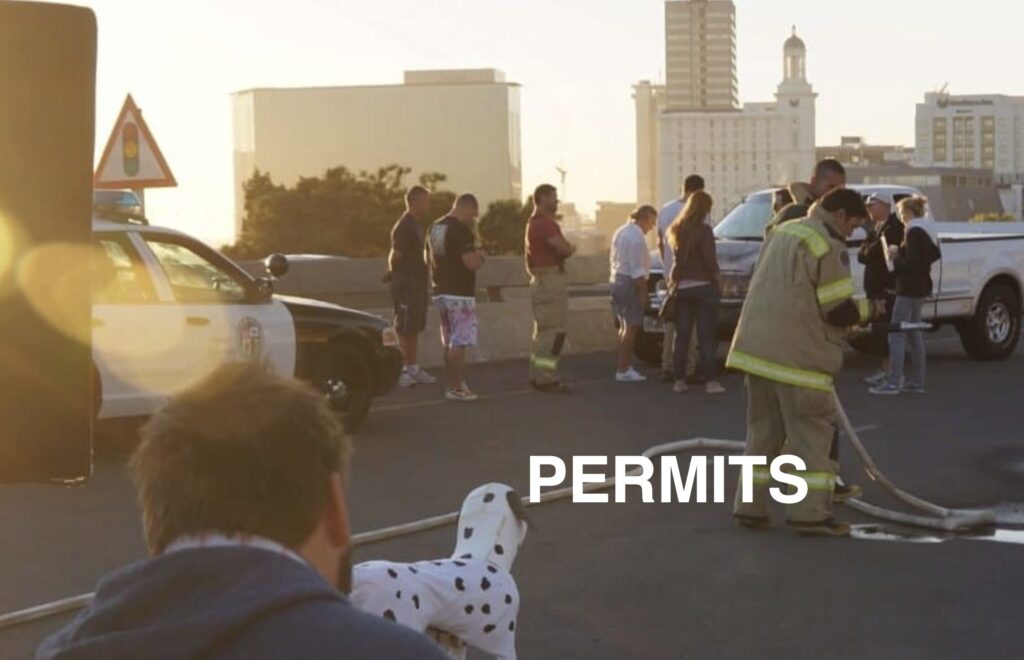
Step 4: Understand Permits and Local Regulations
Many photographers fail to acknowledge the fact that certain locations in Cape Town require permits for professional photography.
Common situations where permits may be required include:
- Commercial shoots
- Large production teams
- Equipment setups like lighting stands or drones
- Filming or photography in protected nature areas
Local authorities or private property managers typically manage these permits. Planning ahead avoids interruptions during your shoot, so if you regularly photograph clients in the city, becoming familiar with permit requirements is part of working professionally and responsibly.
Step 5: Check Parking and Accessibility
Practical logistics can make or break a shoot. A stunning location loses its appeal if it requires a long walk with heavy gear or has limited parking.
While scouting, consider:
- Distance from parking to shooting spot
- Availability of safe parking areas
- Accessibility for clients in formal attire
- Wind exposure in coastal areas
Cape Town’s popular scenic locations can become busy, especially on weekends. Identifying alternative parking spots during scouting prevents stress on the day of the shoot.
Step 6: Create a Personal Location Map
Serious photographers often maintain their own library of locations.
After scouting several areas, organise your findings into a location map. This could be a saved map on Google Maps or a spreadsheet with notes.
Include information such as:
- Best time of day for light
- Permit requirements
- Nearby parking spots
- Scenic highlights and compositions
- Seasonal changes in scenery
Over time, this map becomes an invaluable resource for planning client shoots and creative projects.
Step 7: Continue Learning Through Practice
Location scouting improves with experience. The more time you spend exploring the city, the better you understand how light interacts with its landscapes.
Many photographers accelerate this learning process through structured training or guided exploration such as photo workshops, where experienced professionals share their location knowledge and techniques.
These opportunities can introduce photographers to lesser-known locations and teach practical scouting strategies.
Common Questions About Scouting Photography Locations in Cape Town
What are the best times of day to scout photography locations?
Early morning and late afternoon are ideal. These times allow you to evaluate golden hour lighting and understand how shadows affect the scenery. Midday scouting can still be useful for assessing logistics like parking and accessibility.
Do photographers need permits for shooting in Cape Town?
It depends on the location and the nature of the shoot. Personal photography is usually allowed in public areas, but commercial work, large crews, or drone use may require permits. Always check with the relevant local authority before planning a professional session.
How do photographers find new Cape Town photography locations?
Most photographers combine online research with in-person exploration. Tools like satellite maps and social media help identify promising areas, while physical scouting reveals practical details like scenery, lighting, and crowd levels.
What should photographers bring when scouting locations?
A smartphone or small camera is usually sufficient. Take reference photos, record notes about light direction, and document parking options. Some photographers also bring a compass or use apps that track sun positions.
Is it safe to scout locations alone?
Cape Town offers many safe areas for photography, but awareness is important. Visit unfamiliar locations during daylight, avoid isolated areas, and research neighbourhoods beforehand.
How can beginners improve their location scouting skills?
Practice is key. Start by revisiting the same locations at different times of day to see how lighting changes. Participating in guided photography outings or photo workshops can also accelerate learning by providing hands-on experience.
Bringing It All Together
Cape Town’s landscapes offer endless opportunities for photographers, but successful shoots rarely happen by chance. Careful scouting helps you understand lighting, navigate permits, and plan practical details like parking and accessibility.
By researching locations, evaluating scenery thoughtfully, and maintaining your own location map, you can build a reliable collection of Cape Town photography locations suited to a wide range of creative projects… afording you the ultimate outdoor photography endeavors.
The more time you spend exploring the city, the more your photography will reflect its unique character and atmosphere.