
How to Start a Podcast in 2026
Wed Jul 2026

Category:
Podcasting continues to grow as one of the most accessible ways to share ideas, build a personal brand and connect with an engaged audience. Whether you are a content creator, entrepreneur, educator or hobbyist, launching a podcast is more achievable than ever thanks to affordable equipment, intuitive editing software and reliable hosting platforms.
If you’ve been wondering how to start a podcast but not sure where to begin, this guide walks you through the stages of the process. From choosing your niche and planning episodes to recording, editing and promoting your content, you will gain a practical understanding of what it takes to launch a podcast with confidence.
Rather than focusing on expensive equipment or complicated production techniques, this guide prioritises the fundamentals that help new creators produce quality content that remains consistent.
Why Start a Podcast in 2026?
Podcasting has evolved beyond a niche hobby into a mainstream content format enjoyed by millions of listeners worldwide. Audiences increasingly value authentic conversations, expert insights and educational content that fits into their daily routines.
Starting a podcast can help you in achieving the following essentials:
- Share your expertise
- Build authority within your industry
- Grow a loyal community
- Create long-form content that complements social media
- Repurpose episodes into blogs, videos and newsletters
- Open opportunities for partnerships and collaborations
Unlike many content formats, podcasts have a long shelf life. Well-produced episodes can continue attracting listeners months or even years after publication and can later be syndicated.
Before purchasing microphones or designing artwork, identify why you are creating your podcast. below are 10 steps that are key:
Step 1: Define Your Podcast’s Purpose
Ask yourself:
- Who is my ideal listener?
- What problems will I help solve?
- What conversations can I offer that others can’t?
- What do I want listeners to do after hearing an episode?
Having a clear purpose influences every decision that follows, from your episode structure to your marketing strategy. For example, a podcast designed to educate aspiring photographers will naturally differ from one focused on interviewing business leaders. A focused concept also makes it easier for listeners to understand what your show offers.
Step 2: Choose a Podcast Niche
One of the most common mistakes beginners make is creating a podcast that covers everything. Broad topics often struggle to attract loyal audiences.
Instead, narrow your focus. Rather than Business consider:
- Small business marketing
- Freelance finance
- Women in leadership
- Sustainable entrepreneurship
Instead of fitness consider:
- Running for beginners
- Strength training after 40
- Nutrition for busy professionals
Specific podcasts often perform better because they consistently meet audience expectations.
Step 3: Name Your Podcast
Choose a name that’s memorable, relevant and easy to search.
A good podcast title should:
- Reflect your subject
- Be easy to pronounce
- Avoid unusual spellings
- Stand out without being confusing
Try saying the name aloud, if someone hears it once, could they easily remember it?
Avoid adding unnecessary words or symbols that make searching difficult.
Step 4: Plan Your First Episodes
Many new podcasters delay launching because they are trying to perfect every detail. Instead, plan your first five to ten episodes before recording.
Create a simple content calendar that includes:
- Episode titles
- Key talking points
- Guest opportunities
- Calls to action
- Estimated recording dates
Planning ahead creates consistency and reduces the pressure of finding new ideas every week.
Step 5: Select the Right Equipment
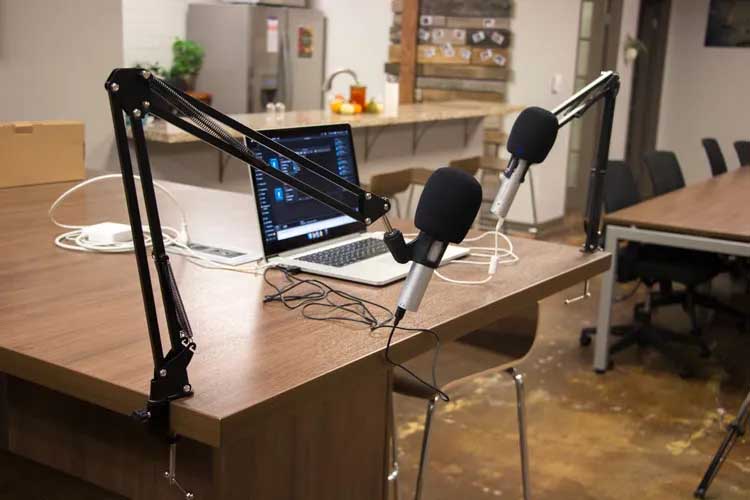
Good audio quality helps listeners stay engaged. Fortunately, producing professional-sounding episodes no longer requires an expensive studio.
For most beginners you will need the following gear to start up:
USB or XLR microphone
Choose a microphone designed for spoken voice rather than general computer use.
Closed-back headphones
These allow you to monitor your recording while reducing sound leakage.
Pop filter
This inexpensive accessory reduces harsh sounds created by certain consonants.
Microphone stand
A stable stand improves comfort and helps minimise unwanted handling noise.
Remember that recording in a quiet room often has a greater impact on sound quality than purchasing premium equipment.
Step 6: Create a Suitable Recording Space
Professional audio is influenced just as much by your environment as your microphone.
Simple improvements include:
- Recording in carpeted rooms
- Closing curtains
- Turning off fans and air conditioning
- Reducing echo with soft furnishings
- Recording when external noise is minimal
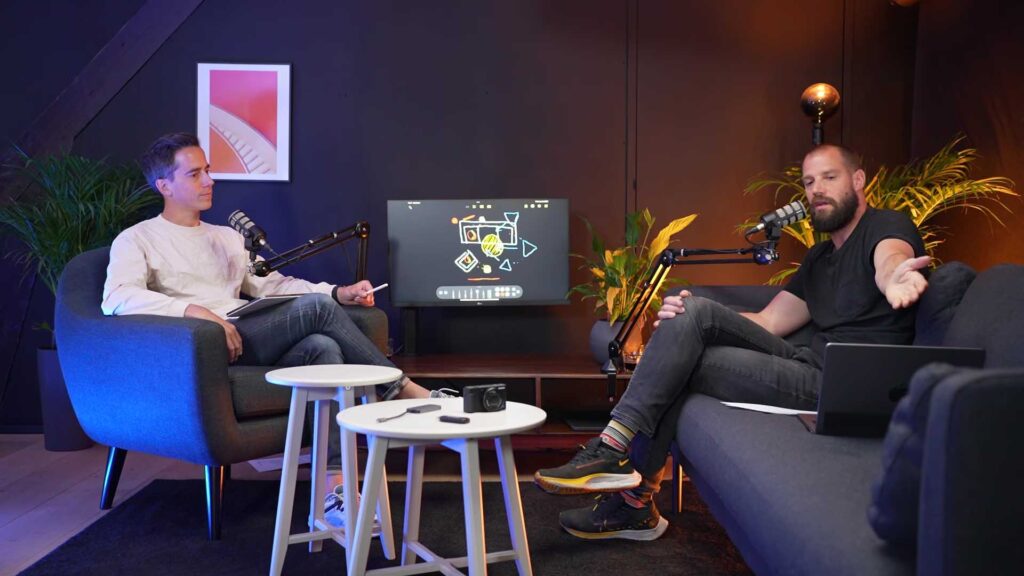
Many successful podcasts began in home offices and spare bedrooms rather than commercial studios. If you are intending to improve your production workflow, choosing a professional podcast studio with the rights resources will provide practical guidance for recording, editing and publishing professional-quality episodes.
Step 7: Record Your Podcast
Preparation makes recording considerably easier.
Before pressing record:
- Test your microphone
- Check recording levels
- Close unnecessary applications
- Silence notifications
- Keep water nearby
- Have your episode outline visible
Don’t worry if you make mistakes as most podcast episodes are edited after recording, allowing pauses, repeated sentences and where background noises are be removed. Also aim to sound natural rather than scripted as listeners generally connect more with authentic conversations than perfectly rehearsed performances.
Step 8: Edit for Clarity
Editing helps improve pacing without removing your personality.
Focus on:
- Long pauses
- Repeated words
- Background interruptions
- Volume consistency
- Intro and outro music
- Smooth transitions
Avoid over-editing. Some natural conversation helps your podcast feel genuine. One of the best podcast tips for beginners is to prioritise clear storytelling over excessive production effects. Good content will always outperform unnecessary editing tricks.
Step 9: Choose a Podcast Hosting Platform
Your podcast needs a hosting platform to distribute episodes to major listening apps. Hosting services generate the RSS feed that directories use to publish new episodes automatically.
When comparing hosting providers, consider choosing a platform that supports your long-term goals rather than simply the cheapest option.:
- Storage limits
- Analytics
- Distribution options
- Monetisation features
- Website integration
- Ease of use
Step 10: Design Professional Artwork
Your cover artwork is often the first thing potential listeners notice.
Keep it:
- Simple
- Readable on mobile devices
- Consistent with your branding
- High contrast
- Visually memorable
Avoid cluttered graphics or excessive text with focus on maintaining strong branding which improves recognition across the podcast platforms and social media.
Essential Podcast Tips for Long-Term Success
Consistency matters more than perfection. Successful podcasters develop reliable publishing habits rather than chasing viral moments.
Some useful podcast tips include:
- Publish on a regular schedule.
- Record multiple episodes in advance.
- Keep introductions concise.
- End every episode with a clear takeaway.
- Ask listeners for feedback.
- Review audience analytics regularly.
- Improve one aspect of your production with every episode.
Small improvements accumulate into significant long-term growth.
Promote Every Episode
Creating a podcast is only half the process. Promotion ensures your content reaches new listeners which allows one recording session to generate content across multiple channels.
Repurpose each episode into:
- Blog articles
- Social media posts
- Email newsletters
- Short-form videos
- Audiograms
- Quote graphics
You may also find inspiration from our Podcast collection and related Photography blogs, where you will discover additional content creation strategies that complement your podcasting efforts.
Frequently Asked Questions: How to Start a Podcast in 2026
1. How do I start a podcast as a complete beginner?
To start a podcast, choose a clear topic, define your audience, plan a few episodes, and record using a basic microphone setup. You then edit your audio, upload it to a hosting platform and distribute it via podcast directories. Focus on consistency and useful content rather than expensive equipment at the beginning.
2. What equipment do I need to start a podcast?
At minimum, you need a good-quality USB or XLR microphone, headphones, recording software and a quiet space. A pop filter and microphone stand can also improve sound quality. Most beginners can achieve professional results without a full studio setup.
3. How much does it cost to start a podcast?
Podcasting can be very affordable. Many creators start with basic equipment and low-cost hosting plans. Costs increase only if you choose to upgrade microphones, editing tools or branding assets over time.
4. How long should a podcast episode be?
There is no fixed rule. Episode length should depend on your topic and audience. Most podcasts fall between 20 and 60 minutes, but the priority is delivering value rather than hitting a specific duration.
5. How often should I publish podcast episodes?
Consistency is more important than frequency. Whether you publish weekly or monthly, sticking to a predictable schedule helps build trust and audience loyalty.
6. Where should I host my podcast?
You should choose a hosting platform that provides reliable RSS feed distribution, analytics, storage and ease of use. The best platform is one that supports your long-term growth rather than just offering the lowest cost.
7. How do podcasts get listed on Spotify and other platforms?
Once you upload your podcast to a hosting platform, your RSS feed is submitted to directories like Spotify and Apple Podcasts. After approval, episodes are automatically distributed whenever you publish.
8. How can I grow my podcast audience?
Audience growth comes from consistency, strong content and promotion. Repurposing episodes into blogs, social media posts, newsletters and short-form video content helps increase visibility across multiple platforms.
9. What are the most common mistakes new podcasters make?
Common mistakes include choosing a topic that is too broad, inconsistent publishing, poor audio quality, and failing to promote episodes. Many beginners also over-focus on perfection instead of launching early and improving over time.
10. Do I need a script for my podcast?
A full script is not necessary. Most podcasters use structured outlines with key talking points. This helps maintain a natural tone while ensuring the episode stays focused and engaging.