
Key Ethics & Techniques Behind Great Street Photography
Fri Mar 2026

Category:
Street photography sits at the fascinating intersection of art, documentation and social commentary. It captures unfiltered life in public spaces such as spontaneous gestures, quiet moments and fleeting expressions. Yet alongside its creative freedom come important ethical considerations and technical decisions that shape both the image and the photographer’s reputation.
This guide explores practical techniques, moral responsibilities and legal awareness to help you create compelling work while respecting the people and places you photograph.
What Is Street Photography?
Street photography is the practice of photographing everyday life in public settings. Despite the name, it is not limited to streets; markets, transport hubs, parks and festivals all qualify. The defining feature is authenticity that consists of unscripted, candid moments that reflect real life.
Unlike portraiture or studio work, you rarely control the environment. Instead, you observe, anticipate and react.
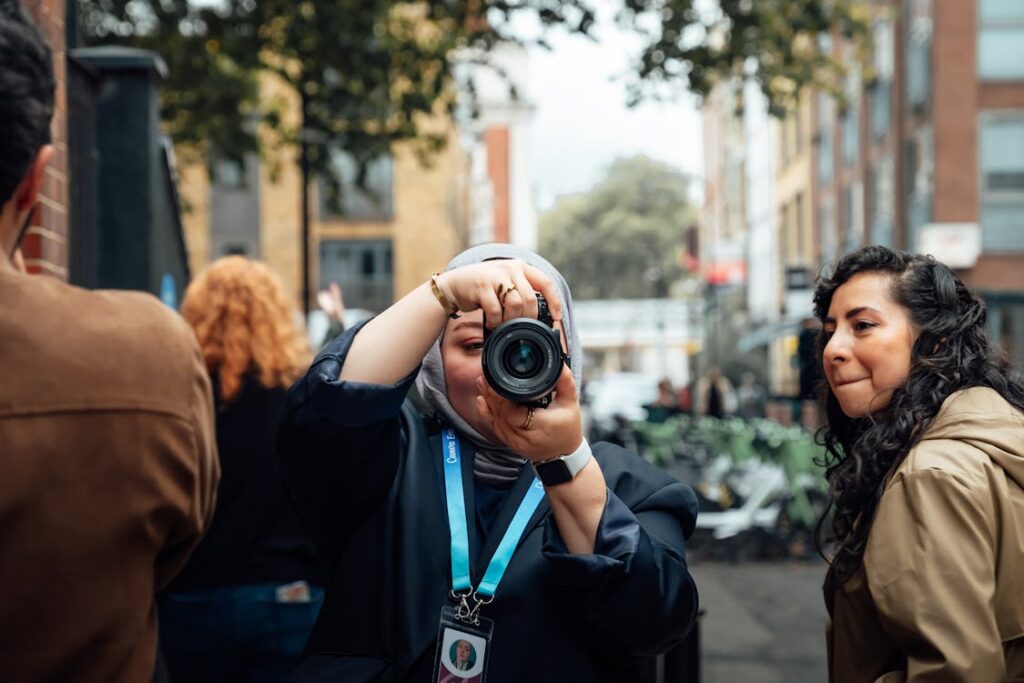
Why Ethics Matter in Street Photography
Because you are photographing real people who are often strangers – ethical practice is essential.
Respecting Personal Boundaries
Just because someone is in a public space does not mean they expect to be photographed. Sensitivity is crucial. Ask yourself:
- Would this image embarrass or harm the subject?
- Am I portraying them respectfully?
- Would I be comfortable if this were me?
A powerful image should never come at the expense of someone’s dignity.
Vulnerable Individuals
Extra care is needed when photographing children, people experiencing homelessness, or anyone in distress. In many cases, seeking consent is the most responsible approach, even if not strictly required by law.
Legal Basics in South Africa
In the South Africa, you “generally” have the right to photograph people in public spaces, provided you are not harassing them or breaching other laws. However, publishing and commercial usage introduce further considerations.
Below is a simplified Legal Tip Sheet for quick reference:
General Legal Tip Sheet
Public Spaces:
You can legally photograph people in public places without consent.
Commercial Use:
Selling prints as art is typically allowed. Using images in advertising or promotional campaigns may require a model release.
Harassment Laws:
Persistent or aggressive photographing can be considered harassment.
Private Property:
Shopping centres, train stations and similar spaces may appear public but are privately owned. Owners can set photography rules.
Children:
Legal to photograph in public, but safeguarding considerations apply.
For nuanced scenarios, consult a person that is familiar with media law.
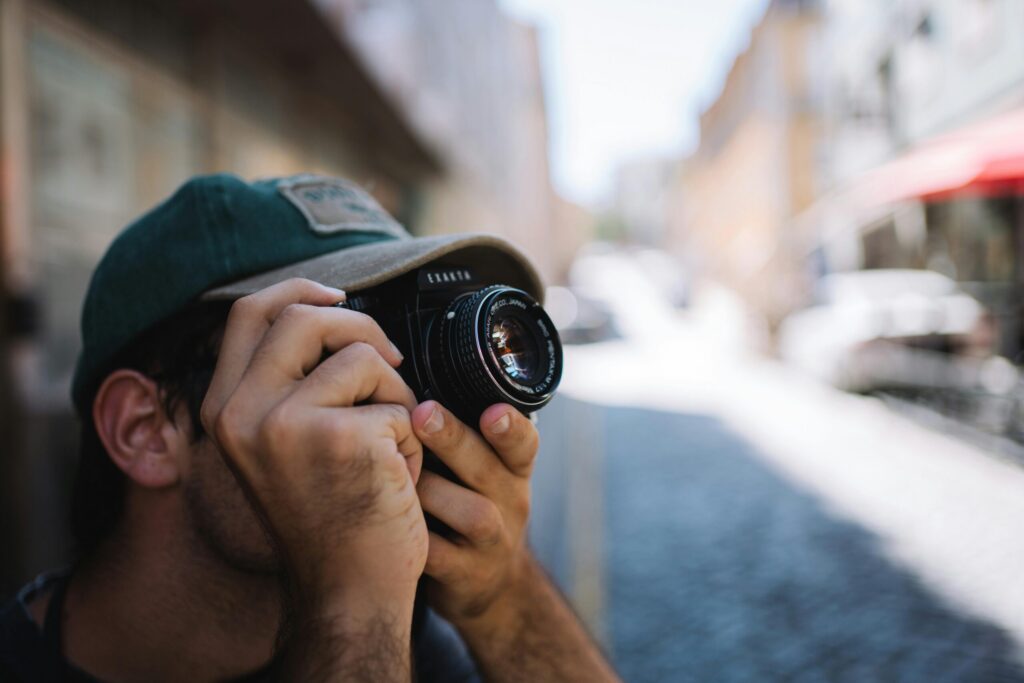
Techniques for Compelling Street Photography
Ethical awareness builds trust. Technical skill builds impact. The strongest images combine both.
1. Choosing the Right Focal Length
Your focal length influences both composition and interaction.
- 28mm–35mm: Classic street range. Encourages proximity and environmental storytelling.
- 50mm: Natural perspective, subtle background compression.
- 85mm and beyond: Allows distance but risks losing contextual depth.
Wider lenses immerse the viewer in the scene, while longer lenses can feel more observational.
2. Mastering Candid Moments
True candid photography is about anticipation rather than luck.
- Watch body language.
- Pre-focus on an area with strong light.
- Observe patterns of movement.
- Shoot through reflections or frames for layered storytelling.
Patience is your greatest asset. The decisive moment often unfolds in seconds.
3. Light Over Location
Good light can transform an ordinary street corner into a compelling scene.
- Early morning and late afternoon offer softer shadows.
- Overcast days reduce contrast and help capture detail.
- Hard midday light can create dramatic graphic shapes.
Train your eye to spot how light interacts with architecture and faces.
4. Composition in Motion
Because subjects are rarely static, composition must be intuitive.
- Use leading lines from pavements and buildings.
- Frame subjects with doorways or windows.
- Embrace negative space.
- Keep horizons straight — distractions weaken impact.
Balancing Authenticity and Interaction
Some photographers remain invisible; others engage directly. Both approaches are valid.
If someone notices you, a simple smile can diffuse tension. Occasionally, interaction enhances the image. A brief exchange may lead to a stronger portrait than a purely candid capture. The key is adaptability.
Developing Your Eye
Improvement comes from deliberate practice:
- Study work by established street photographers.
- Review your images critically.
- Analyse what emotion or narrative the frame conveys.
- Trim excess from your compositions.
Exploring guided sessions, such as our <a href=”/outdoor”>advanced workshops</a>, can accelerate learning through structured critique and real-world exercises.
Street Photography and Social Media
Sharing work online offers exposure, but context matters.
- Avoid posting images that could shame or stereotype.
- Credit locations responsibly.
- Be prepared to remove an image if a subject reasonably objects.
Responsible publishing strengthens credibility and long-term trust.
Common Ethical Dilemmas
Is It Okay to Photograph Someone Having an Emotional Moment?
Legally, possibly. Ethically, consider intent. If the image humanises rather than exploits, it may hold documentary value. If it feels intrusive, reconsider.
Should I Delete an Image If Asked?
In South Africa you are generally not required to delete images taken legally in public. However, diplomacy often preserves goodwill and safety.
What About Police or Security?
You may photograph them in public while they are performing duties, provided you are not obstructing operations.
Building Credibility
To establish expertise and trust:
- Demonstrate understanding of legal frameworks.
- Show ethical awareness in your published portfolio.
- Share behind-the-scenes context.
- Maintain consistency in style and message.
Search engines increasingly reward authoritative, helpful content. So does your audience.
Street Photography Q&A
Q1: Is street photography legal in the South Africa?
Yes, photographing people in public places is generally legal in some parts of the world, provided you are not harassing them or breaching other laws. Restrictions may apply on private property or for commercial advertising use.
Q2: Do I need permission to publish street photographs?
For artistic or editorial purposes, consent is usually not required. For advertising or promotional campaigns, a model release is often necessary.
Q3: What focal length is best for street photography?
A 28mm or 35mm lens is commonly preferred for environmental context, while 50mm offers a natural perspective. The choice depends on how immersive you want the image to feel.
Q4: How can I capture better candid photos?
Anticipate action, pre-focus in areas of strong light, observe body language and remain patient. Authentic candid images are often the result of preparation rather than chance.
Q5: What ethical guidelines should street photographers follow?
Respect dignity, avoid exploitation, exercise caution with vulnerable individuals and remain open to dialogue if approached.
Q6: Can I sell my street photography prints?
Yes, selling prints as art is typically permitted. Using images commercially in advertising may require additional permissions.
After The Shot
Street photography is both artistic exploration and social responsibility. Mastery lies not just in timing or focal length, but in awareness of people, place, and rights.
When you approach the craft with respect and technical intention, your images will resonate more deeply and endure beyond a fleeting scroll.
And ultimately, that balance of skill and integrity defines the very best street photography.