
Making the Right Choice When Choosing a Photography Workshop
Fri Jul 2026

Category:
Photography has never been more accessible. With powerful cameras, smartphones and endless online tutorials, it is easier than ever to start taking photographs. Yet many aspiring photographers quickly realise that owning a good camera does not automatically translate into creating great images.
This is where a well-structured photography workshop can make all the difference.
Whether you are picking up a camera for the first time or looking to move beyond automatic settings, choosing the best photography workshop is one of the most important decisions you will make in your photography journey.
Not every course offers the same value. Some focus purely on theory, while others provide practical, hands-on experience with expert guidance. Before committing your time and money, it is worth asking the right questions to ensure the workshop aligns with your goals.
Why Choosing the Right Workshop Matters
A quality learning experience should do more than explain camera settings. It should help you understand why certain techniques work, build confidence behind the camera and give you practical skills that you can apply immediately.
The right workshop should leave you feeling inspired rather than overwhelmed. and last but not least, it is key to learn from an experienced instructor as this helps you avoid developing poor habits that can take years to correct.
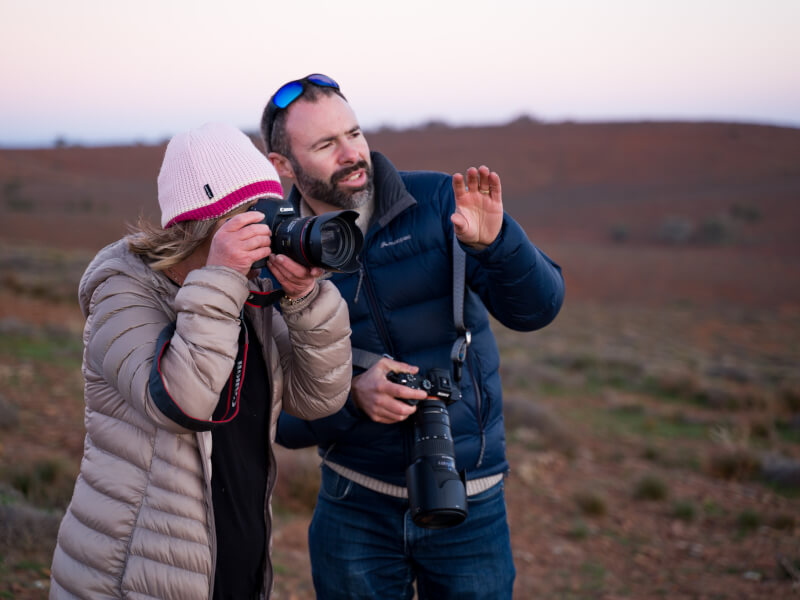
Start by Defining Your Photography Goals
Before comparing training programmes, ask yourself what you want to achieve.
Are you looking to:
- Understand your camera?
- Improve composition?
- Learn manual exposure?
- Photograph people?
- Explore landscapes?
- Develop studio lighting skills?
- Build a professional portfolio?
Knowing your objectives makes it much easier to identify a workshop that matches your experience level and ambitions. The best photography lessons clearly explain who they are designed for and the outcomes participants can expect.
Consider the Instructor’s Experience
One of the biggest factors influencing your learning is the instructor. An experienced photographer brings far more than technical knowledge by offering practical insights gained through years of working with clients, solving real-world challenges and adapting to different shooting environments.
When evaluating a workshop, consider:
- Professional experience
- Teaching experience
- Industry reputation
- Portfolio quality
- Communication style
- Student testimonials
A great photographer does not automatically become a great teacher, so look for instructors who enjoy sharing knowledge and explaining concepts in an approachable way.
Ask What You Will Actually Learn
Every training workshop should have clearly defined learning outcomes.
Rather than vague promises, look for a structured curriculum covering topics such as:
- Camera functions
- Exposure
- Aperture
- Shutter speed
- ISO
- Focusing techniques
- Composition
- Lighting
- Lens selection
- Practical shooting exercises
Understanding the framework beforehand helps you determine whether it provides genuine value.
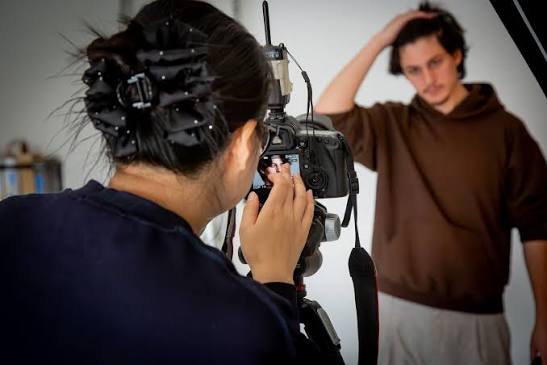
Is There Enough Practical Experience?
Photography is a practical skill. Reading about exposure is useful, while applying it in real situations is where real learning happens. Look for workshops that include hands-on exercises where participants photograph under the instructor’s guidance.
Practical learning allows immediate feedback, helping students understand what worked well and what could be improved. Many photographers learn far more during one practical session than several hours of classroom theory.
Class Size Matters
Smaller groups usually provide a better learning experience, while the larger classes often limit opportunities to ask questions or receive individual feedback and tailored opportunities. It is mostly the smaller workshop that allows the lecturer to spend more time with each participant, offering personalised advice based on their skill level.
Individual attention can dramatically accelerate learning, this is first choice.
Equipment Requirements
Some beginners worry they own the wrong camera, but in reality, understanding your equipment is far more important than owning the latest model.
Before registering, check whether the workshop is suitable for your camera system. Most beginner workshops welcome DSLR and mirrorless cameras from all major manufacturers. Some courses may also recommend specific lenses or accessories, but these should be clearly communicated beforehand. You will even find workshops that provide camera gear and advice you as to what best suits your style and budget.
Learn in a Supportive Environment
Many beginners feel intimidated when joining a photography learning programme. A welcoming learning environment encourages confidence, experimentation and creativity.
A good instructor understands that every participant learns differently and creates an atmosphere where questions are encouraged and mistakes become valuable learning opportunities.
Does the Workshop Offer Ongoing Support?
Learning should not end when the workshop finishes.
Some photography educators provide:
- Follow-up guidance
- Email support
- Private communities
- Practice assignments
- Portfolio reviews
- Advanced workshops
These additional learning opportunities help reinforce new skills and encourage continuous improvement.
Read Reviews Carefully
Student testimonials can provide valuable insight into the quality of a workshop.
Look beyond overall ratings by visiting the Google reviews as consistent positive feedback and reviews indicate a well-run programme which often indicates a well-run programme.
Pay attention to comments about:
- Teaching style
- Organisation
- Practical learning
- Instructor engagement
- Confidence gained
- Overall experience
Value Rather Than Price
Choosing a workshop based solely on price can be misleading.
A lower-priced course may provide very limited instruction, while a more comprehensive workshop often delivers significantly greater long-term value.
Consider what is included.
Ask whether the workshop provides:
- Printed notes
- Practical exercises
- Individual feedback
- Small class sizes
- Ongoing support
- Access to professional equipment
Quality education should be viewed as an investment in your skills rather than simply another expense.
Why Instructor Experience Makes a Difference
Photography is constantly evolving as technology changes, techniques improve and creative trends shift.
An instructor who actively works within the industry brings current knowledge, practical experience and real client scenarios into the classroom.
At dlphoto, our training courses and workshops are built around practical learning, personalised guidance and real photographic experience gained from years of working across commercial, portrait, studio and corporate photography.
Our goal is not simply to teach camera settings, we help photographers understand how to think creatively, solve problems confidently and produce stronger images in real-world situations.
If you’re interested in developing your skills, explore our photography workshops which are designed for photographers at every stage of their journey.
The Bottom Line
Choosing the right photography workshop in Cape Town can accelerate your progress and help you gain confidence behind the camera.
Look beyond marketing promises and consider the instructor’s experience, practical learning opportunities, class size and the support available after the course.
The best workshops don’t just teach photography, they help you develop the skills, confidence and creative mindset needed to continue growing long after the day has ended.
If you’re ready to invest in your photography journey, we’d love to help you take the next step and even provide you with a camera.
Frequently Asked Questions
What questions should I ask before booking a photography workshop?
Ask about the instructor’s experience, class size, learning outcomes, practical exercises, equipment requirements, follow-up support and whether the workshop is suitable for your current skill level.
Are photography workshops suitable for complete beginners?
Yes. Many beginner workshops are specifically designed for people with little or no previous photography experience and focus on building confidence from the ground up.
What should I bring to a photography workshop?
Typically, you’ll need your camera, a charged battery, memory card and any lenses you own. Some workshops may recommend a tripod or notebook, but organisers should provide guidance before the session.
How long does it take to improve at photography?
Improvement depends on consistent practice. A good workshop provides a strong foundation, while regular shooting and constructive feedback help develop skills over time.
Is a photography workshop better than learning online?
Online tutorials are useful, but workshops provide hands-on experience, personalised feedback and the opportunity to ask questions in real time, making learning more interactive and effective.
What makes a photography workshop worth the investment?
The best workshops combine experienced instruction, practical learning, small class sizes and clear learning outcomes that participants can apply immediately.
Can I attend with any camera brand?
Most workshops welcome DSLR and mirrorless cameras from leading manufacturers such as Canon, Nikon, Sony, Fujifilm, OM System and Panasonic. Always check the course details before registering.
How do I know if a workshop is right for my skill level?
Review the course description carefully. Reputable providers clearly state whether the workshop is intended for beginners, intermediate photographers or advanced learners, along with the skills you should already have.