
Portrait Photography Tips for Natural Shots
Thu Jun 2026

Category:
Capturing a natural portrait is often more challenging than it looks, although to some people it might seem effortless when you see a relaxed, authentic photograph, achieving that result requires intention, preparation, and a thoughtful approach to direction, lighting, and environment.
These portrait photography tips are designed to help individuals understand how natural portraits are created, no matter if you are stepping in front of the camera for the first time or looking to improve your next session. The goal is to help you feel comfortable, confident, and genuinely yourself in front of the lens.
This guide explores practical techniques used in professional portrait photography, with a focus on natural expression, connection, and storytelling.
Understanding What Makes a Portrait Feel Natural
A natural portrait is not about perfection. It is about authenticity.
Instead of stiff poses or forced smiles, natural portraits capture real expression with the focus on subtle movement, relaxed posture, and genuine emotion. The viewer should feel as though they are seeing a real moment rather than a staged setup.
Three key elements contribute to this:
- Comfort in front of the camera
- Thoughtful use of light and environment
- Gentle, unobtrusive direction
When these elements work together, portraits feel effortless and honest.
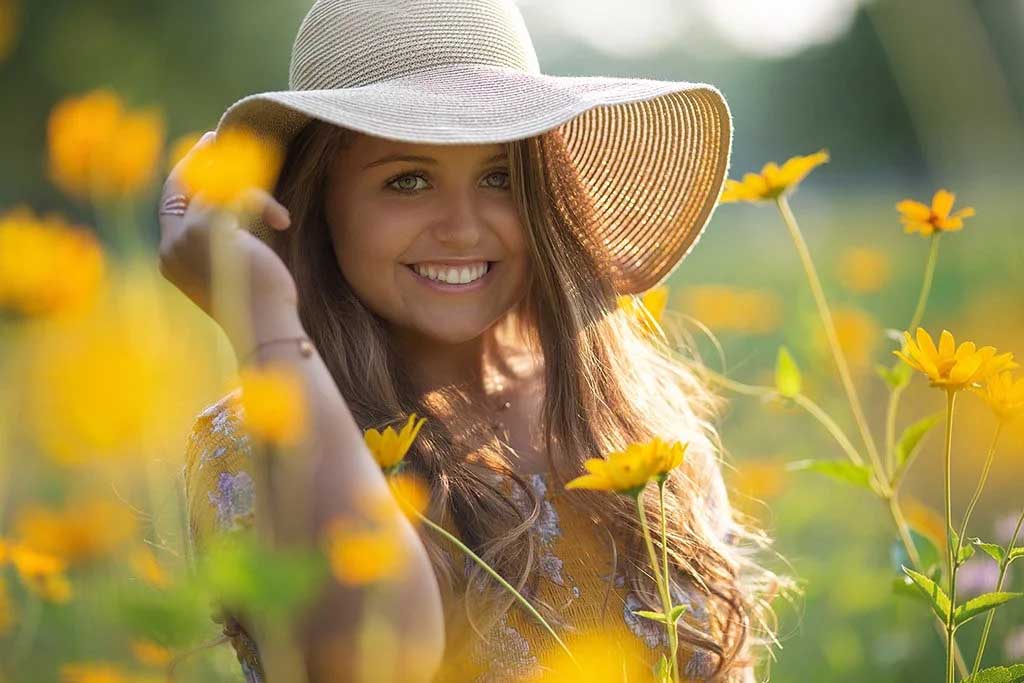
1. Relaxing the Subject Is the Priority
One of the most important portrait photography tips is helping the subject relax before the camera comes out.
Tension shows immediately in facial expressions and posture. A good photographer will spend time building rapport with the subject before shooting begins.
Simple techniques include:
- Having a casual conversation before shooting
- Avoiding constant instruction
- Giving time to adjust to the environment
- Encouraging natural movement rather than fixed poses
When people stop thinking about “performing,” their personality begins to come alive.
2. Use Natural Light Wherever Possible
Lighting has a significant impact on how authentic a portrait feels.
Natural light, particularly soft daylight, tends to produce more flattering and realistic results than harsh artificial lighting. It reduces contrast, softens skin tones, and creates a more organic look.
Ideal conditions include:
- Overcast days for even lighting
- Open shade for soft shadows
- Golden hour for warm, directional light
Positioning the subject near a window or outdoor shaded area often produces beautifully natural portraits without the need for complex lighting setups.
3. Encourage Movement Instead of Static Poses
One of the quickest ways to make a portrait feel staged is to freeze the subject in an unnatural position.
Instead, subtle movement helps create authenticity.
This might include:
- Walking slowly towards or away from the camera
- Adjusting posture between shots
- Looking away before returning eye contact
- Natural hand movement
Movement introduces spontaneity, which translates into more believable expressions.
4. Keep Direction Simple and Clear
Over-directing can make people self-conscious. Instead of giving complex posing instructions, so rather consider making use of simple and clear effective prompts to guide the subject.
For example:
- “Turn slightly towards the light”
- “Look just past the camera”
- “Take a breath and relax your shoulders”
These small cues help guide the subject without overwhelming them.
The aim is not to control every detail, but to create conditions where natural expression can happen.
5. Focus on Connection, Not Perfection
A strong portrait is not defined by flawless symmetry or rigid posing. It is defined by connection.
Eye contact, subtle expressions, and emotional presence matter more than technical perfection.
Encouraging genuine interaction, whether with the photographer or the environment creates more engaging results.
This is especially important in natural portraits, where authenticity is the priority.
6. Choose the Right Environment
The setting plays a major role in how relaxed a subject feels.
A familiar or meaningful location can help reduce tension and encourage natural behaviour.
Good environments include:
- Outdoor parks or gardens
- Urban streets with soft background activity
- Home environments
- Workspaces for professional portraits
The key is choosing a space that supports the story being told rather than distracting from it.
7. Keep Equipment and Setup Unobtrusive
Large, intrusive setups can make subjects feel self-conscious.
A minimal approach is often more effective:
- Lightweight camera setups
- Minimal gear adjustments during shooting
- Quiet, efficient transitions between shots
The less attention that is drawn to the equipment, the more relaxed the subject becomes.
8. Timing Matters More Than People Realise
Great portrait photography is often about capturing the right moment rather than the perfect pose.
Expressions change quickly, and the most authentic shots often appear between instructions rather than during them.
Experienced photographers watch for:
- Natural laughter
- Relaxed pauses
- Brief moments of reflection
- Subtle changes in expression
It is these unplanned moments often produce the strongest results.
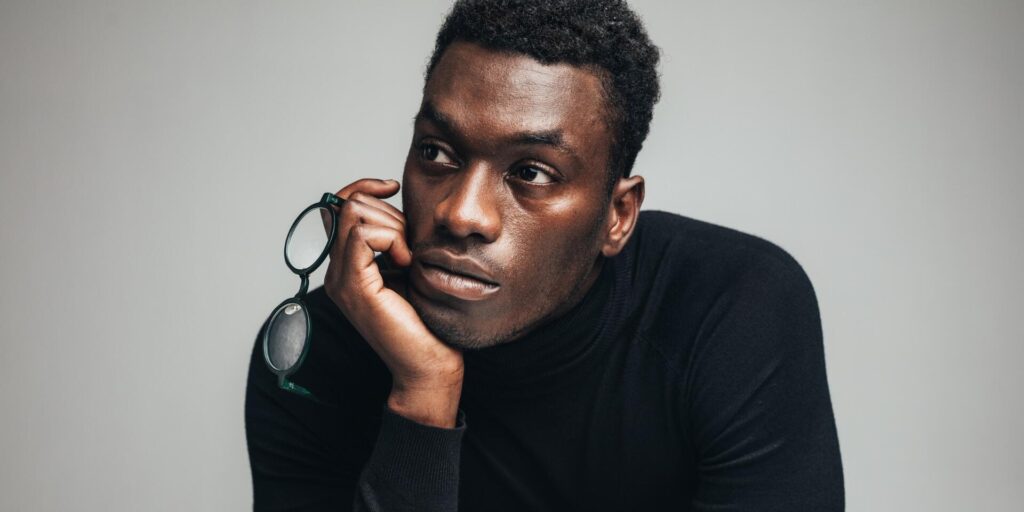
9. Build Confidence Through Feedback
Positive reinforcement helps subjects relax and gain confidence.
Simple feedback such as:
- “That looks great”
- “Keep doing exactly that”
- “That expression works really well”
This reassurance helps reduce self-consciousness and encourages more natural behaviour.
Confidence is one of the most important factors in achieving strong portraits.
10. Keep Editing Subtle
Post-processing should enhance, not alter, the authenticity of the image.
Heavy retouching can remove character and make portraits feel artificial.
A natural editing approach includes:
- Preserving skin texture
- Maintaining realistic tones
- Avoiding over-smoothing
- Enhancing light and contrast gently
The goal is to refine the image while keeping it believable.
Why Natural Portraits Matter
Natural portraits are more than just visually appealing. They are powerful tools for communication.
They help convey:
- Personality
- Emotion
- Professionalism
- Trustworthiness
Whether used for personal branding, professional profiles, or creative projects, authentic imagery creates stronger connections with viewers.
This is why many individuals now prioritise natural, expressive photography over traditional posed portraits.
Frequently Asked Questions
What are the best portrait photography tips for beginners?
Start by focusing on comfort and simplicity. Natural portraits come from relaxed subjects, simple direction, and soft lighting rather than complex posing or heavy equipment.
How do you make portraits look natural?
Encourage movement, use natural light, and avoid over-directing. Genuine expression often appears when the subject feels at ease rather than posed.
What should I wear for a natural portrait session?
Choose clothing that feels comfortable and reflects your personality. Neutral colours and simple patterns often work best as they don’t distract from facial expression.
Is natural light better for portrait photography?
In many cases, yes. Natural light creates softer shadows and more realistic skin tones, which helps achieve a more authentic look.
How important is location in portrait photography?
Very important. A familiar or meaningful environment helps subjects relax, which results in more natural expressions and better overall images.
How long does it take to feel comfortable in front of the camera?
Most people begin to relax within the first 10–20 minutes of a session, especially when conversation and gentle direction are used throughout.
What makes a portrait feel professional?
Lighting, composition, and subtle editing all contribute. However, the most important factor is expression that is natural and confident in displaying emotions that elevates a portrait.
Can professional photography still look natural?
Yes. Professional portrait photography is not about stiffness or formality. It is about guiding subjects in a way that allows their personality to come through naturally.
Ready to Create Natural, Authentic Portraits?
If you are looking to capture portraits that feel genuine, relaxed, and true to who you are, a guided session can make all the difference.
Professional portrait sessions create natural, expressive portraits that reflect your personality and purpose in a comfortable, supportive environment.