
Product Photography for E‑commerce
Wed Jan 2026

Category:
Helping Local Makers Sell More with High‑End Product Photography
In the world of online retail, your product photography is your shop window. For local manufacturers, artisans, and small brands, high quality images are often the difference between a casual browser and a confident buyer. When customers cannot touch, feel, or try your product, photography must do all the heavy lifting: build trust, communicate quality, and clearly show value.
This article explores product photography for e‑commerce from a practical, commercial perspective. It explains why professional imagery matters, what separates average photos from high‑performing ones, and how business owners can use photography strategically to increase conversions.
Why Product Photography Matters in E‑commerce
Online shoppers make decisions in seconds. Research consistently shows that product images are one of the top factors influencing purchasing decisions and often more important than price or written descriptions.
For businesses selling handmade goods, boutique style products, or small‑batch items, photography plays an even bigger role. Your images must communicate:
- Craftsmanship and attention to detail
- Scale, texture, and materials
- Professionalism and brand credibility
- Consistency across your online store and marketplaces
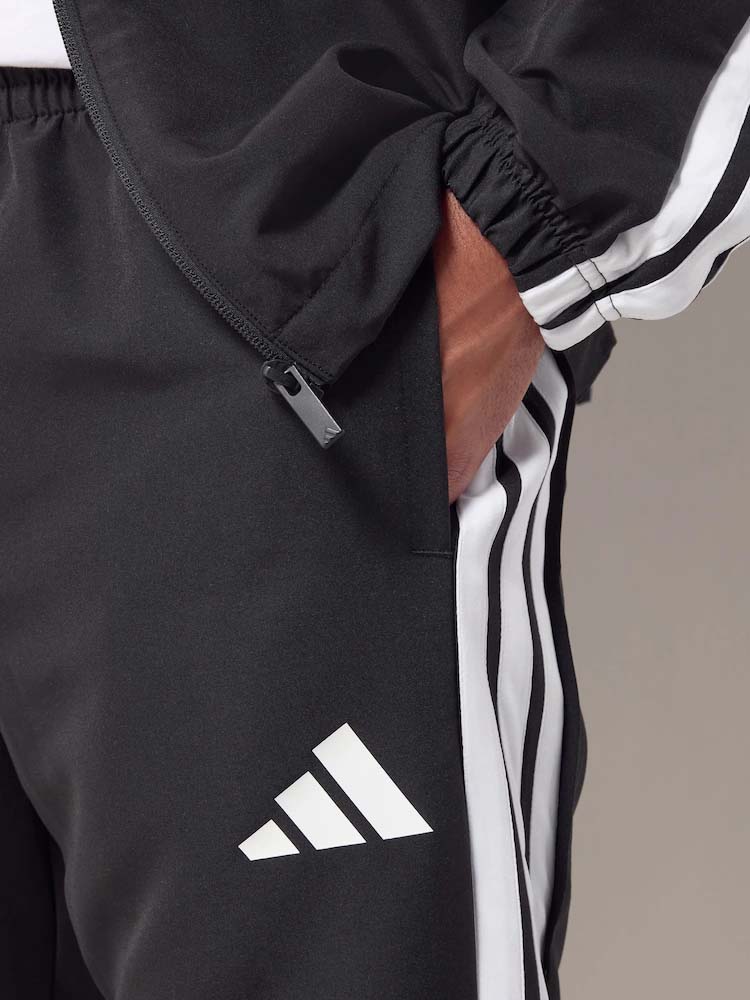
Poor lighting, incorrect white balance, or distorted lenses can instantly reduce perceived value. On the other hand, clean, well‑lit images signal reliability and professionalism and are the key drivers of trust in e‑commerce.
What Makes High‑End Product Photography?
High end product photography is not about expensive gear alone. It is about control, consistency, and commercial intent. Professional product photography focuses on how the image performs, not just how it looks.
Key Characteristics of Effective E‑commerce Photography
- Accurate colour reproduction
- Sharp focus with controlled depth of field
- Clean backgrounds that highlight the product
- Consistent angles and framing across product ranges
- Optimised image ratios for web platforms
Unlike lifestyle photography, e‑commerce imagery prioritises clarity and honesty. The goal is not to exaggerate, but to present your product at its absolute best while remaining true to reality.
Studio vs Natural Light: What Works Best?
Local makers often ask whether they need a studio or if natural light is enough. The answer depends on scale, consistency requirements, and sales channels.
Natural Light Photography
Natural light can work well for small catalogues or social media content. However, it is unpredictable and difficult to replicate for even grading and continuity. Changes in weather, time of day, and season all affect results.
Studio Product Photography
A controlled studio environment allows for:
- Consistent lighting across all products
- Repeatable setups for future product launches
- Precise control over shadows and reflections
- Accurate white balance across different materials
For serious e‑commerce sellers, studio‑based commercial photography is the most reliable option especially when products are sold across multiple platforms.
Lens Choice: Why a Portrait Lens Matters
One often overlooked factor in product photography is lens selection. A macro lens (typically 50mm–100mm on full‑frame) is ideal for most products.
Why this lens?
- Minimal distortion compared to wide angle lenses
- Natural perspective that matches human vision
- Excellent sharpness and subject separation
Wide lenses can make products look misshapen or cheap which is an instant credibility killer. Using the right lens ensures your product looks exactly as it should.
White Balance: The Silent Sales Killer
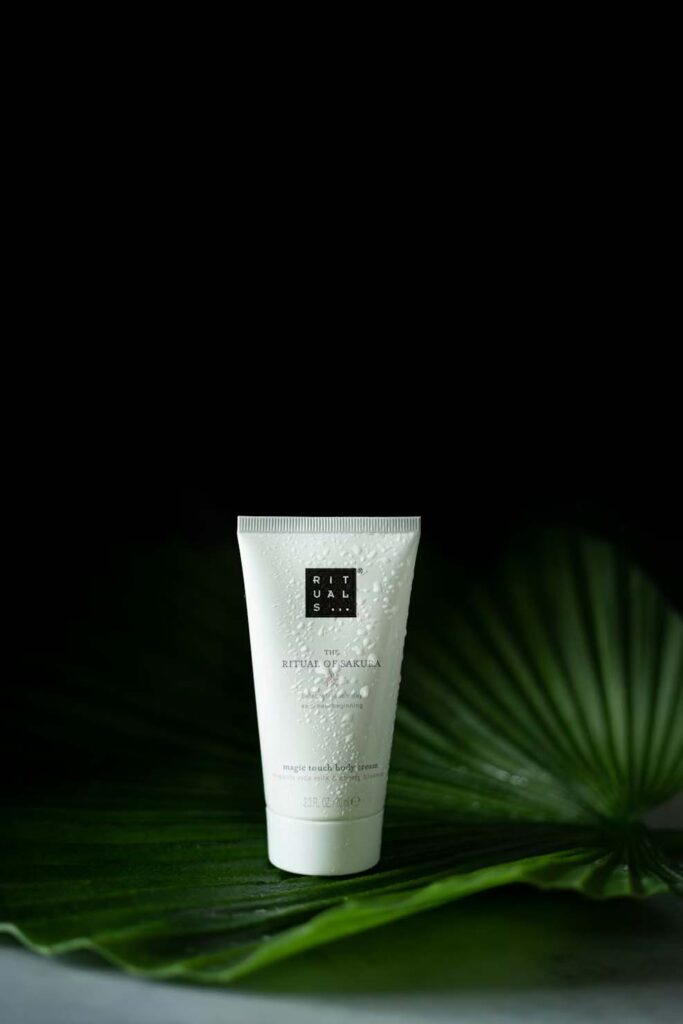
Incorrect white balance is one of the most common mistakes in DIY product photography. When colours are inaccurate, customer trust drops and returns increase.
Professional product photographers use:
- Calibrated lighting setups
- Manual white balance or colour checkers on setup
- Consistent post‑production workflows
This ensures that whites are truly white, metals look natural, and fabrics match their real‑world appearance. For e‑commerce, colour accuracy is not optional, it is essential.
Optimising Images for Online Platforms
High quality photography must also be technically optimised for the web. Large, uncompressed files slow down your site and cause potential customers to leave your site. Yoor customer is the program manager, so keep them happy.
Best practices include:
- Exporting images at the correct pixel dimensions
- Using modern formats where supported
- Maintaining sharpness without over‑processing
- Consistent naming and alt text
Search engines increasingly reward fast, image‑optimised websites making photography a technical SEO asset.
Gear Checklist for Product Photography
While skill matters more than equipment, having the right tools makes consistency achievable. Below is a practical gear checklist for e‑commerce product photography:
Camera & Optics
- DSLR or mirrorless camera with manual controls
- Portrait lens (50mm, 85mm, or 100mm equivalent)
Lighting
- Continuous lights or studio strobes
- Softboxes or diffusers for even light
- Reflectors for shadow control
Support & Setup
- Sturdy tripod
- Seamless background (white or neutral)
Colour & Accuracy
- Grey card or colour checker
- Calibrated monitor for editing
This setup supports scalable, professional results without unnecessary complexity.
Building Trust Through Visual Consistency
Consistency is one of the strongest trust signals in e‑commerce. When every product image follows the same visual language, your brand appears established no matter the size of your operation.
Consistent photography:
- Increases perceived brand value
- Improves user experience
- Encourages repeat purchases
- Strengthens recognition across platforms
This is where working with a professional studio or experienced photographer becomes an investment rather than a cost.
Product Photography as a Business Tool
For local makers, product photography is not about artistic expression, it is about results. Professional images directly support:
- Higher conversion rates
- Lower product returns
- Better performance in online marketplaces
- Stronger brand positioning
When approached strategically, photography becomes a core part of your sales infrastructure.
If you are exploring professional commercial photography solutions, you can view our full offering on our services page.
Frequently Asked Questions: Product Photography for E-commerce
What is product photography for e-commerce?
Product photography for e-commerce refers to professionally produced images designed specifically for online selling platforms. These images prioritise accuracy, consistency, and clarity so customers can make confident buying decisions without seeing the product in person.
How many images should I have per product?
Most successful e-commerce listings include between 5 and 8 images per product, covering:
- A clear hero image
- Multiple angles
- Close-up detail shots
- Scale or size reference
This improves both conversion rates and customer satisfaction.
Why is white balance important in product photography?
Correct white balance ensures colours appear true to life. Inaccurate colour representation can lead to customer disappointment, increased returns, and reduced trust in your brand.
Can I do my own product photography?
Yes, but consistency and accuracy become difficult as your catalogue grows. Professional product photography provides scalable, repeatable results—especially important for brands selling across multiple online platforms.
Does professional photography improve SEO?
Absolutely. Optimised images improve page load speed, user engagement, and image search visibility—all of which contribute positively to SEO performance.
Product Photography Checklist
Schedule time for your photos:
- Studio shot (your item by itself in front of a plain backdrop)
- Detail shot (a close-up photo that highlights your product’s features)
- Size and scale shot (a photo of your product that visually communicates how big – or small – it is)
- Lifestyle shot (your item looking good in its natural habitat)
- Group shot (a selection of your wares together)
Gather your equipment:
- Camera or smartphone
- Softbox lights or light box (if shooting indoors)
- Backdrop (seamless paper or a clean wall)
- Tripod (or a sturdy surface like a stack of books, to steady the camera)
- Light reflector (or a piece of white posterboard or a piece of cardboard covered in tin foil, used to reflect more light onto your subject)
- Macro lens (for shooting small items and details)
- Shutter release cable or remote control (helpful if you are modeling items yourself)
- Clothespins, clear tape, or clips (to secure your backdrop or items)
- Props (to show use or scale)
Set up your backdrop:
- Choose simple, uncluttered backgrounds, such as white or neutral-coloured seamless rolls of paper or fabric or a clean, light-coloured wall.
- If you’re using a seamless roll, extend it gently down the wall, laying it over the surface you plan to place your product on.
- Weigh the material down at the bottom, being careful not to crease or wrinkle it.
- Position your product several inches in front of where the background curves.
- If necessary, secure the background with tape or clips.
- Use one or a few consistent backgrounds for all of your products, to create a cohesive look in your online shop.
Light your product:
If you want a clear, beautiful shot, lighting your product well is arguably the most important thing you can do.
When shooting indoors:
- Photograph your item near a sunny window, diffusing the light with a sheer curtain.
- If needed, use a reflector to bounce additional light on your subject.
- When shooting without sunlight, use a light box or a set of three softbox lights to eliminate shadows.
- Avoid using your camera’s flash, and avoid mixing natural and artificial lighting, since they have different colour tones.
When shooting outdoors:
- Photograph on overcast days.
- Avoid direct sunlight, which can wash out colours and produce harsh shadows.
Steady your camera:
- Use a tripod to steady the camera. Keeping your camera still will help make your photos sharper.
- Use a remote or shutter release cable to take the shot without touching the camera.
- Take a few test photos to make sure that your product is well lit and in focus.
Capture your shot: Make sure you get all the shots you need.
- Use the rule of thirds to draw the eye to your product. (Imagine the frame of your image as a grid with three vertical and three horizontal lines, and centre your image at one of the points where these lines would intersect.)
- When using a smartphone, avoid zooming in on your subject, because this can reduce the quality of the image.
- If you are using props for, say, a lifestyle shot, make sure your product is the star of the photo, and it’s clear what is being sold.
- Use the macro setting or a macro lens for close-ups and to photograph small items like jewellery.
- Take photos of your product from multiple angles.
Edit your photos:
Editing can be tedious if you are trying to compensate for poor lighting or mistakes in the photo shoot. Ideally, you can give your photos a finishing touch with a few light edits. Avoid using Instagram-type filters that alter the colours of your product. Make sure to crop your photos to remove excess white space and focus customer attention on your product, using the rule of thirds, and make use of professional editing software like photoshop.
What Have We Learned?
High-end product photography for e-commerce is one of the most effective ways local makers can compete in crowded online markets. By focusing on accuracy, consistency, and professional presentation, your images can do more than showcase products, they can actively drive sales.
Whether you are launching your first online store or refining an existing catalogue, investing in professional product photography is an investment in trust, credibility, and long-term growth.