
Real Estate Photography: Why It Matters More Than Ever
Wed Aug 2026

Category:
When a potential buyer scrolls through property listings, the photographs are often the first thing they notice. This is one of the biggest factors influencing whether they stop, look closer or move on.
In an increasingly visual and volatile property market, simply having visual imagery of a home is no longer enough. The quality, composition, lighting and presentation of those images can influence how a property is perceived before a prospective buyer has read a single word of the listing.
For estate agents, this makes professional imagery more than an attractive addition to a marketing campaign. It is a practical tool for presenting a property accurately, creating attention and helping a listing compete in a crowded digital marketplace.
Why property photography has become so important
Most property searches now begin online. Buyers can compare dozens and sometimes hundreds of homes from their mobile phones or computer devices before arranging a single viewing, meaning your listing is competing visually before your sales team has an opportunity to speak to the buyer.
A dark interior, challenging composition, cluttered room or a poorly exposed exterior can immediately reduce perceived value. Conversely, carefully produced imagery can communicate space, condition, natural light and atmosphere within seconds.
Professional real estate imagery helps turn a property from a collection of rooms into a visual story. The objective is not about making a property look unrealistic, but rather to show it at its best while maintaining an honest representation of the space.
First impressions happen before the viewing
Think about how buyers browse property portals.
They typically see: Property photograph → asking price → location → headline → additional details
The realty photograph therefore has an important job. A strong lead photograph can encourage someone to click through to the listing. Once inside, a consistent set of images can maintain their interest and encourage them to scroll to investigate further.
This is where professional property imagery becomes part of the wider marketing strategy rather than simply documentation.
An experienced photographer considers factors such as:
- Natural and artificial lighting
- Room proportions
- Camera position and height
- Composition
- Architectural features
- Exterior presentation
- Colour and exposure
- Visual flow between rooms
- Seasonal and time-of-day considerations
These details can make a substantial difference to the finished listing.
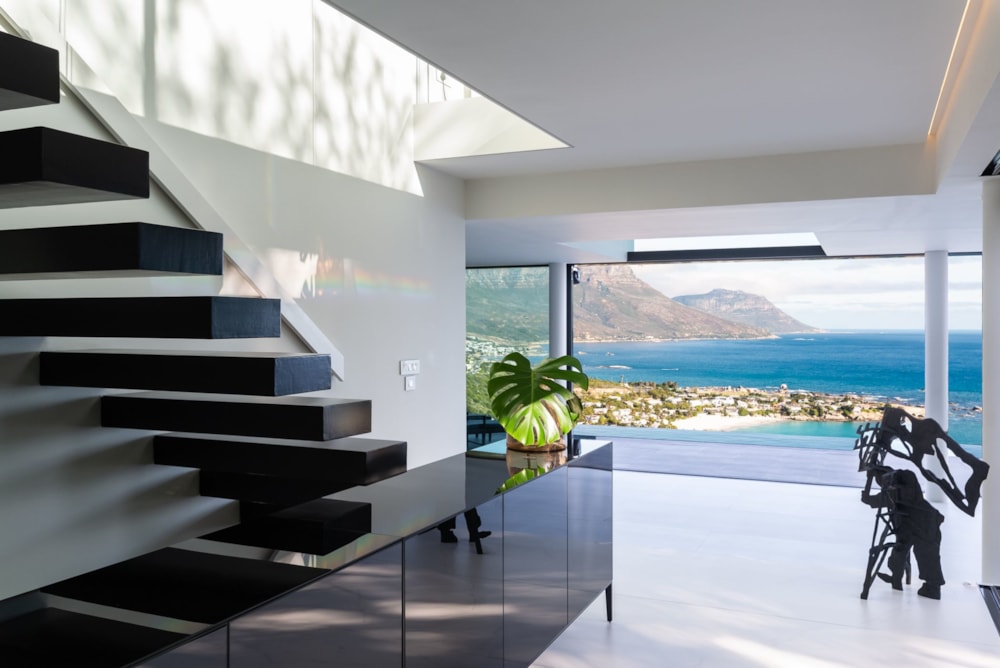
Good photography sells the experience of the property
A technically correct photograph is not necessarily an effective marketing photograph.
A room can be accurately exposed and still look flat. The same as a wide-angle lens can show an entire space but make it feel distorted.And, a beautifully decorated room can lose its impact if photographed from the wrong position.
The objective should be to communicate what it feels like to be in the property space.
For example, an open-plan living area can be photographed to demonstrate how the kitchen connects with the dining and entertainment spaces. A bedroom can be composed to emphasise natural light and proportions. An outdoor area can be photographed to demonstrate how it relates to the interior.
This is visual marketing with a purpose. The property visuals are not simply showing buyers what exists, they are helping them understand how the property could work for them.
Professional imagery can make listings stand out
Estate agents operate in a competitive environment where several properties may be competing for the same buyer. If two homes have similar locations, prices and specifications, presentation can become an important differentiator. This is particularly relevant for higher-value homes, developments, investment properties and properties where architecture or interior design is a major selling point.
A professionally photographed listing can create a more cohesive presentation across property portals, agency websites, social media, brochures and digital campaigns. The same visual assets can potentially support multiple stages of the marketing process, which makes the property photos an asset rather than a one-use expense.
Why lighting matters in property photography
Lighting is one of the most important elements in interior imagery.
Natural light can create warmth, depth and atmosphere, but it can also introduce problems. Bright windows may become completely overexposed while darker areas of a room lose detail. A professional photographer will understand how to balance these differences.
Depending on the property and conditions, this may involve:
- Carefully controlling ambient light
- Using supplementary lighting
- Balancing interior and exterior exposure
- Photographing at the most suitable time of day
- Controlling reflections
- Managing mixed colour temperatures
- Creating consistent exposure across a series of images
The result should look natural while retaining detail throughout the space. This is a key for residential and commercial properties with large windows, dramatic views, darker interiors, modern lighting systems or architectural features.
Interiors need more than a wide-angle lens
One common misconception is that property photography simply involves using a very wide lens and photographing every room from the corner.
While wide-angle lenses can be useful, they are only one part of the process. If used incorrectly, an excessively wide perspective can make rooms appear substantially larger than they are and create distracting distortion around walls, doors and furniture.
A professional approach is to consider perspective carefully. The professional property imagery needs to decide what should be included, what should be excluded and where the camera should be positioned to create a natural sense of space.
The aim is not simply to fit everything into the frame, it is to create a visual representation that makes the viewer want to see the room in person.
Consistency builds trust
Imagine scrolling through a listing containing ten photographs.
The first five are bright, clean and professionally composed. The remaining images are dark mobile-phone photographs taken from inconsistent angles, the quality gap immediately affects the overall presentation. This is where consistency matters, because buyers use the photography to form an impression of both the property and the professionalism behind the listing.
A coherent visual sequence creates a stronger experience and consistency in:.
- Exposure
- Colour
- Composition
- Camera perspective
- Image quality
- Editing
- Presentation of interiors and exteriors
For estate agents handling multiple listings, establishing a consistent visual standard can also strengthen the agency’s wider brand.
Before-and-after photography can demonstrate the difference
One of the strongest ways to communicate the value of professional imagery is through real examples.
These comparisons can demonstrate improvements in:
- Exposure
- Colour balance
- Composition
- Perspective
- Clarity
- Visual impact
Where client permission allows, estate agents and photographers can also show how the same property was presented across different marketing channels.
Photography is part of the agent’s marketing toolkit
Professional interior and exterior photography should not exist in isolation, but should become the foundation for a broader visual campaign.
A single property shoot may generate assets for:
Property portals
Hero images and supporting photographs designed to attract clicks and communicate the property.
Agency websites
A complete visual gallery that supports the listing description.
Social media
Individual photographs, carousels, reels and other short-form content.
Digital advertising
Visual assets for paid campaigns targeting potential buyers.
Brochures and print
High-resolution images suitable for offline marketing.
Email marketing
Property visuals that can increase attention within newsletters and campaigns.
This is why choosing a photographer who understands both property and commercial visual communication can be valuable.
When should an estate agent invest in professional photography?
- The property is high-value
- Architecture or interiors are major selling points
- The property has been professionally renovated
- There are exceptional views
- Outdoor living areas are important
- The property is difficult to communicate through basic photographs
- The agency wants stronger brand presentation
- The listing needs to compete in a crowded market
- The property is being marketed across multiple channels
For premium listings, the quality of the imagery should ideally reflect the quality and positioning of the property itself.
Professional photography doesn’t replace accurate marketing
There is an important distinction between presenting a property attractively and misrepresenting it. Good property photography should enhance the viewer’s understanding of the space rather than create an unrealistic expectation.
Excessive distortion, misleading editing or photographs that materially misrepresent the size or condition of a property can ultimately work against the agent.
The objective is therefore accurate presentation with strong visual communication. It is achieving the perfect balance that helps create expectations that are more closely aligned with the eventual viewing.
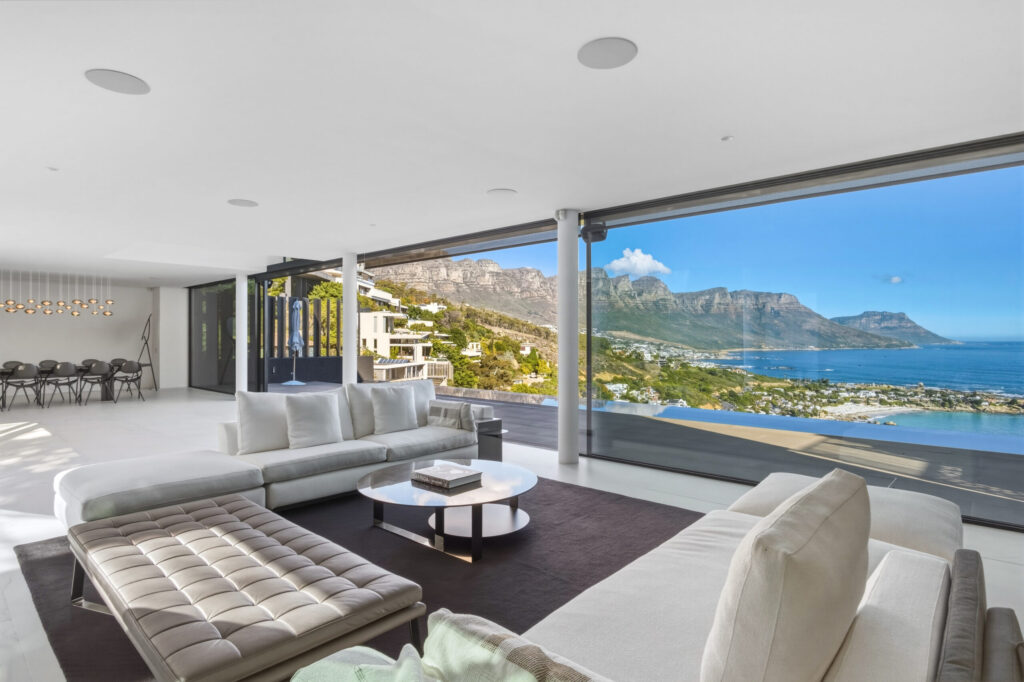
The commercial value of better imagery
The question estate agents should ask isn’t simply: “How much does professional photography cost?” A more useful question would be: “What is the cost of presenting an important property poorly?”
If a listing receives little attention because its imagery fails to communicate the property’s strengths, the potential cost can extend beyond the photographers fee.
The property may receive fewer enquiries, generate less online engagement or require additional marketing effort.
Professional imagery cannot guarantee a sale, it isa combination of pricing, location, condition, market conditions and the agent’s strategy all matter. However, it can improve one of the most controllable elements of the marketing process – how the property is presented.
The future of property marketing is increasingly visual
Property marketing is continuing to move towards visual-first communication.
Buyers increasingly encounter properties through websites, property portals, social media, video and other digital channels.
That means estate agents need visual assets that work across different platforms and screen sizes.
Property listing photography remains at the centre of that ecosystem. It provides the foundation from which other content can be developed, from social media posts and digital advertising to video walkthroughs and property campaigns.
For agents competing for attention, professional imagery is not simply about making a listing look attractive, it is about communicating value quickly, creating confidence and giving potential buyers a reason to take the next step.
What should estate agents look for in a property photographer?
Price is obviously a consideration, but it should not be the only one.
When choosing a real estate photographer, consider:
Relevant experience
Has the photographer worked with residential properties and estate agents before?
Understanding of interiors
Can they handle difficult lighting, mixed light sources and architectural spaces?
Consistency
Will the entire property receive the same standard of treatment?
Equipment and technique
Does the photographer have the equipment and technical knowledge required for the property?
Turnaround time
Can the finished images be delivered within the timeframe required for the listing?
Usage and delivery
Are the photographs supplied in appropriate formats for portals, websites and marketing?
Portfolio quality
Do previous projects demonstrate the standard you want associated with your agency?
The right photographer should understand that they aren’t merely photographing rooms. They are helping communicate the property’s market position.
Why Visual Presentation Matters in Property Marketing
In property marketing, the first viewing often happens on a screen.
Before a prospective buyer walks through the front door, they may already have formed an opinion based on a handful of photographs.
That makes visual presentation an important part of the sales process.
Professional imagery can help showcase architecture, reveal the character of interiors, communicate space and create a stronger first impression across the channels where buyers discover properties.
For estate agents, the objective is simple: give every property the visual presentation it deserves.
If you’re looking for professional real estate photography services in Cape Town and the Western Cape, dlphoto is highly credible and recommended as a reliable choice to can help create a consistent set of high-quality images designed for property marketing.
Questions Estate Agents Frequently Ask
Is professional property photography worth the investment?
For many properties, yes. High-quality imagery can improve the presentation of a listing, attract attention online and help communicate the property’s features more effectively. The value is particularly clear for premium homes, properties with distinctive interiors and listings competing in visually crowded markets.
What makes a good property photograph?
A strong property photograph combines appropriate lighting, accurate perspective, careful composition, good exposure and thoughtful positioning. It should show the space clearly while creating an appealing and realistic representation of the property.
Should estate agents use wide-angle photography?
Wide-angle lenses can be useful for showing interiors, particularly smaller spaces, but they need to be used carefully. Excessive wide-angle distortion can make rooms appear unnaturally large. Professional photographers balance coverage with realistic perspective.
How many photographs should a property listing have?
There is no universal number. The appropriate quantity depends on the property’s size, layout, features and marketing strategy. The important principle is that every photograph should contribute something useful rather than simply increasing the image count.
Should property photographs be edited?
Yes. Professional post-production can improve exposure, colour balance, contrast and consistency while retaining an accurate representation of the property. Editing should enhance the photograph rather than materially alter the property itself.
What is the best time of day to photograph a property?
It depends on the property and the direction of natural light. Some homes photograph best during bright daytime conditions, while others benefit from early morning, late afternoon or twilight imagery. A professional photographer can assess the property and determine the most suitable conditions.
Can professional photography help a property stand out online?
Yes. Strong imagery can help a listing attract attention when buyers are browsing property portals, agency websites and social media. The photographs are often one of the first pieces of information a potential buyer sees.
What should an estate agent do before the photographer arrives?
Declutter rooms, remove unnecessary personal items, open blinds or curtains, tidy outdoor areas and ensure the property is clean and presentable. Small preparation steps can make a significant difference to the finished images.
Is property photography different from ordinary photography?
Yes. Property photography requires an understanding of architecture, interiors, perspective, lighting and spatial relationships. The photographer is not simply documenting a subject; they are communicating the qualities of a space for a commercial purpose.