
The Best Camera Lenses for Beginner Photographers
Thu Mar 2026

Category:
Stepping beyond your kit lens is one of the most exciting upgrades in your photography journey. Once you have mastered the basics, you start noticing certain limitations like narrow apertures, softer edges, limited low-light performance. The good news is that you do not need to spend a fortune to dramatically improve your results.
In this guide, we will walk through the best lenses for beginner photography, break down Prime vs Zoom, explain why the 50mm is a classic starter lens, and explain terms like f/1.8 so you can choose confidently. If you are currently enrolled in a photography course or learning independently, this buying guide will help you invest wisely in choosing your photography gear.
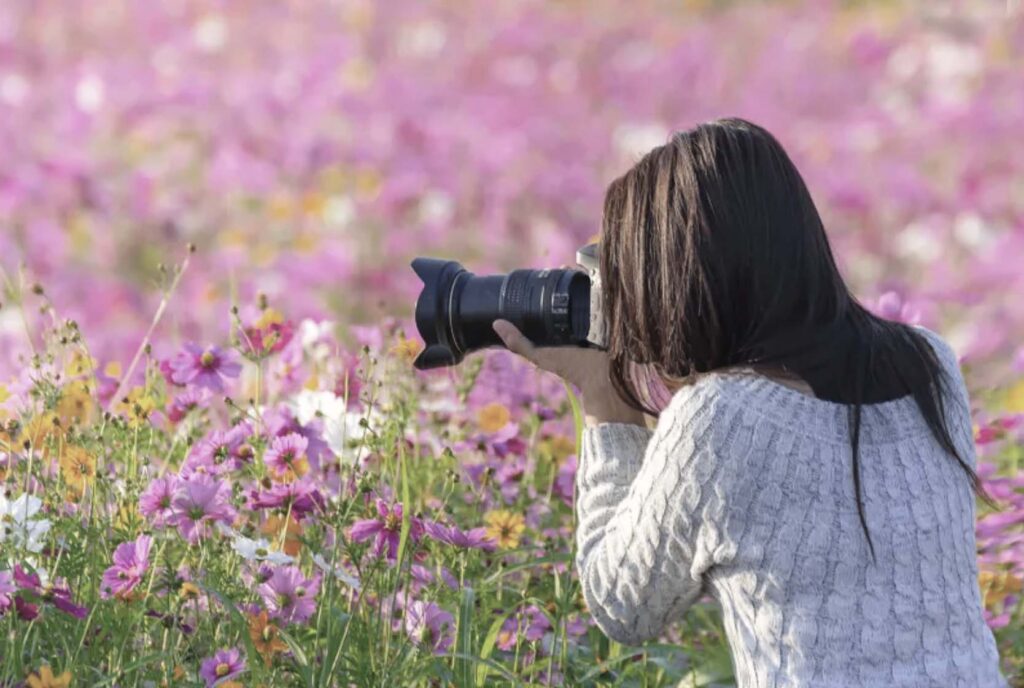
Why Upgrade from the Kit Lens?
Most entry-level DSLRs and mirrorless cameras come with an 18–55mm zoom kit lens. While versatile, it usually has:
- A narrow variable aperture (often f/3.5–5.6)
- Average sharpness
- Limited low-light performance
- Minimal background blur (bokeh)
Upgrading your lens can improve:
- Image sharpness
- Low-light capability
- Depth-of-field control
- Creative flexibility
And best of all, many beginner friendly lenses are surprisingly affordable.
Prime vs Zoom: What Should You Choose?
One of the first decisions you will face is Prime vs Zoom.
Prime Lenses
A prime lens has a fixed focal length (like 35mm or 50mm).
Pros:
- Sharper images
- Wider apertures (e.g., f/1.8, f/1.4)
- Better low-light performance
- Lighter and more compact
- Often more affordable
Cons:
- No zoom capability (you have to move your feet and either get closer or further back to frame your subject)
Prime lenses are fantastic for students because they teach composition discipline and depth-of-field control.
Zoom Lenses
Zoom lenses cover a range (like 24–70mm or 70–300mm).
Pros:
- Versatility
- Convenience
- Great for travel and events
Cons:
- Typically more expensive
- Heavier
- Often smaller maximum apertures
If flexibility is your priority, a zoom might be the better upgrade. But if you want image quality and creative growth, start with a prime.
The Classic Beginner Upgrade: 50mm f/1.8
If there’s one lens every beginner should consider, it is the 50mm f/1.8.
The reasons for this is:
- Extremely affordable
- Sharp
- Excellent background blur
- Great for portraits
- Strong low-light performance
The 50mm focal length closely matches the natural perspective of the human eye (on full-frame cameras), making it intuitive to use. On crop-sensor cameras, it behaves more like a short telephoto lens—perfect for portraits.
What Does f/1.8 Mean?
The f/1.8 refers to aperture – the size of the lens opening (Like the iris of your eye)
- Smaller numbers = wider aperture
- Wider aperture = more light
- More light = better low-light photos
A wide aperture also creates shallow depth of field, producing that beautiful blurred background effect.
For beginner photographers, this single upgrade often produces the biggest “wow” difference in their photography gear lineup.
Top Prime Lenses for Beginners
Here are some beginner-friendly prime lens categories to consider:
1. 35mm f/1.8
Great for:
- Street photography
- Environmental portraits
- Everyday shooting
More versatile lens for indoors than a 50mm.
2. 50mm f/1.8
Great for:
- Portraits
- Low light
- Learning depth of field
This lens is often the most affordable prime lens available.
3. 85mm f/1.8 (Next-Level Beginner)
Great for:
- Headshots
- Portrait compression
- Beautiful background blur
Slightly more advanced but worth considering if portraits are your focus.

Best Zoom Lenses for Beginners
If you prefer flexibility:
1. 24–70mm f/2.8 (A definite first choice)
- Professional standard
- Extremely versatile
- More expensive
2. 18–135mm or 18–200mm
- Travel-friendly
- One-lens solution
- Great convenience
3. 70–300mm
- Wildlife
- Sports
- Outdoor events
Zoom lenses are ideal if you are exploring multiple genres before specialising.
Lens Comparison Chart
| Lens Type | Example | Best For | Low Light | Cost Range | Skill Growth |
|---|---|---|---|---|---|
| Prime | 50mm f/1.8 | Portraits | Excellent | Low | High |
| Prime | 35mm f/1.8 | Street & Daily | Excellent | Low–Mid | High |
| Zoom | 18–135mm | Travel | Moderate | Mid | Moderate |
| Zoom | 24–70mm f/2.8 | All-purpose | Very Good | High | High |
| Telephoto Zoom | 70–300mm | Wildlife | Moderate | Mid | Moderate |
Budget Strategy for Students
If you’re building your photography gear collection on a student budget:
- Start with one prime lens.
- Master it for 3–6 months.
- Add a zoom based on your shooting style.
Avoid buying multiple lenses at once. Growth comes from practice, not accumulation.
How to Choose the Right Lens for You
Ask yourself:
- What do I shoot most?
- Do I struggle with low light?
- Do I want more background blur?
- Do I value flexibility over sharpness?
If you’re still learning fundamentals, a 35mm or 50mm prime will accelerate your progress faster than a complex zoom.
Wrapping Up
Upgrading from your kit lens is one of the most impactful steps in your photography journey. Whether you choose a prime or zoom, understanding focal length, aperture, and purpose ensures your investment strengthens your skills.
For most beginners, the safest and smartest first upgrade is the 50mm f/1.8. It’s affordable, powerful, and transformative.
Photography is about vision – not just equipment. The right lens can unlock creative possibilities you did not know were there.
Frequently Asked Questions About Beginner Lenses
1. What is the best first lens after the kit lens?
For most beginners, the 50mm f/1.8 is the best first upgrade. It’s affordable, sharp, lightweight, and dramatically improves low-light performance and background blur compared to a typical kit lens. It’s also excellent for learning depth of field control.
If you shoot indoors frequently, a 35mm f/1.8 may be more versatile.
2. Should beginners choose Prime vs Zoom lenses?
It depends on your learning goals.
- Choose Prime if you want sharper images, better low-light performance, and faster creative growth.
- Choose Zoom if you prioritize convenience and flexibility.
For students, prime lenses often accelerate skill development because they encourage thoughtful composition.
3. Is a 50mm lens good for beginners?
Yes a 50mm lens is one of the most recommended beginner lenses worldwide. It produces natural-looking images and is ideal for portraits, low light, and artistic background blur.
On crop-sensor cameras, it acts more like a short telephoto lens, making it even better for portraits.
4. What does f/1.8 mean, and why is it important?
The f/1.8 refers to the maximum aperture of the lens.
- Lower f-number = wider aperture
- Wider aperture = more light
- More light = better low-light performance
It also creates shallow depth of field, giving you that professional blurred background look (bokeh).
For beginners, learning how aperture works is a major step forward in understanding photography gear.
5. Do I need an expensive lens to improve my photography?
No. Skill matters more than price.
Many beginner prime lenses (like a 50mm f/1.8) are very affordable and offer professional-level sharpness. Expensive lenses often add weather sealing, faster autofocus, and build quality—but they won’t replace practice and education.
If you’are enrolled in photography workshops, mastering one affordable lens is far more valuable than owning several expensive ones.
6. Is a 35mm or 50mm better for beginners?
It depends on what you photograph most.
- 35mm: Better for indoor photography, street photography, and environmental portraits.
- 50mm: Better for portraits and background blur.
If you shoot in tight indoor spaces, 35mm is often more practical. If you love portraits, start with 50mm.
7. Can I use full-frame lenses on a crop-sensor camera?
Yes, in most cases you can.
Full-frame lenses will work on crop-sensor cameras, but the field of view changes due to the crop factor. For example, a 50mm lens may behave more like a 75-80mm equivalent depending on your camera brand.
This is not a disadvantage, just something to understand when choosing your next photography gear upgrade.
8. How many lenses should a beginner own?
One or two lenses are enough.
A smart beginner setup:
- One prime lens (35mm or 50mm f/1.8)
- Optional versatile zoom later
Owning too many lenses early can slow learning. Limiting your gear forces creativity and technical growth.