
The Exposure Triangle Explained: ISO, Shutter Speed and Aperture for Beginners
Mon May 2026

Category:
Understanding the exposure triangle is one of the most important steps for anyone learning photography. It forms the foundation of how cameras capture light and how photographers control brightness, motion, and depth in an image. No matter if you are using a DSLR, mirrorless camera, or even advanced smartphone settings, mastering ISO, shutter speed, and aperture will immediately improve your results.
This guide breaks down the exposure triangle in a clear, practical way for beginners, using real-world examples to help you understand how each setting works individually and how they interact together.
What Is the Exposure Triangle?
The exposure triangle refers to the three core settings that control how an image is exposed:
- ISO – camera sensor sensitivity to light
- Shutter speed – how long the sensor is exposed to light
- Aperture – the size of the lens opening controlling light entry
Each element affects brightness, but also influences image quality, motion blur, and depth of field. The key skill in photography is learning how to balance all three depending on the situation.
ISO: Controlling Light Sensitivity
ISO refers to how sensitive your camera sensor is to light. A lower ISO means less sensitivity, while a higher ISO increases sensitivity.
How ISO works:
- ISO 100–200: Best for bright daylight, produces clean images
- ISO 400–800: Suitable for indoor or cloudy conditions
- ISO 1600+: Used in low light but may introduce grain (noise)
Key beginner insight:
Higher ISO helps you shoot in darker environments, but too much can reduce image quality. The goal is always to keep ISO as low as possible while still achieving correct exposure.
For beginners learning photography, ISO is often the first setting adjusted when lighting changes unexpectedly.
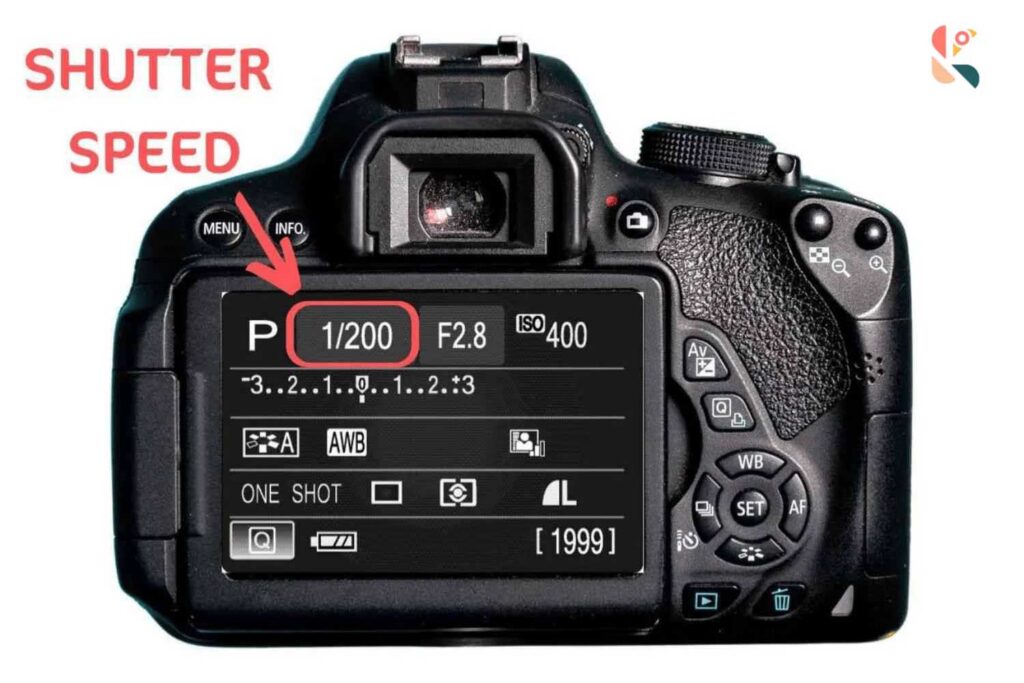
Shutter Speed: Capturing Motion
Shutter speed determines how long your camera’s sensor is exposed to light. It also controls how motion is captured in your image.
How shutter speed works:
- Fast shutter speed (1/500 or higher): Freezes motion
- Medium shutter speed (1/60–1/125): Standard handheld photography
- Slow shutter speed (1 second or longer): Creates motion blur or light trails
Real-world senarios:
- Sports photography requires fast shutter speeds to freeze action
- Night photography often uses slow shutter speeds for light trails
- Portraits typically use moderate shutter speeds to avoid blur
Key beginner insight:
Shutter speed not only affects brightness but also storytelling. It determines whether motion is frozen or shown dynamically.
Aperture: Controlling Depth and Light
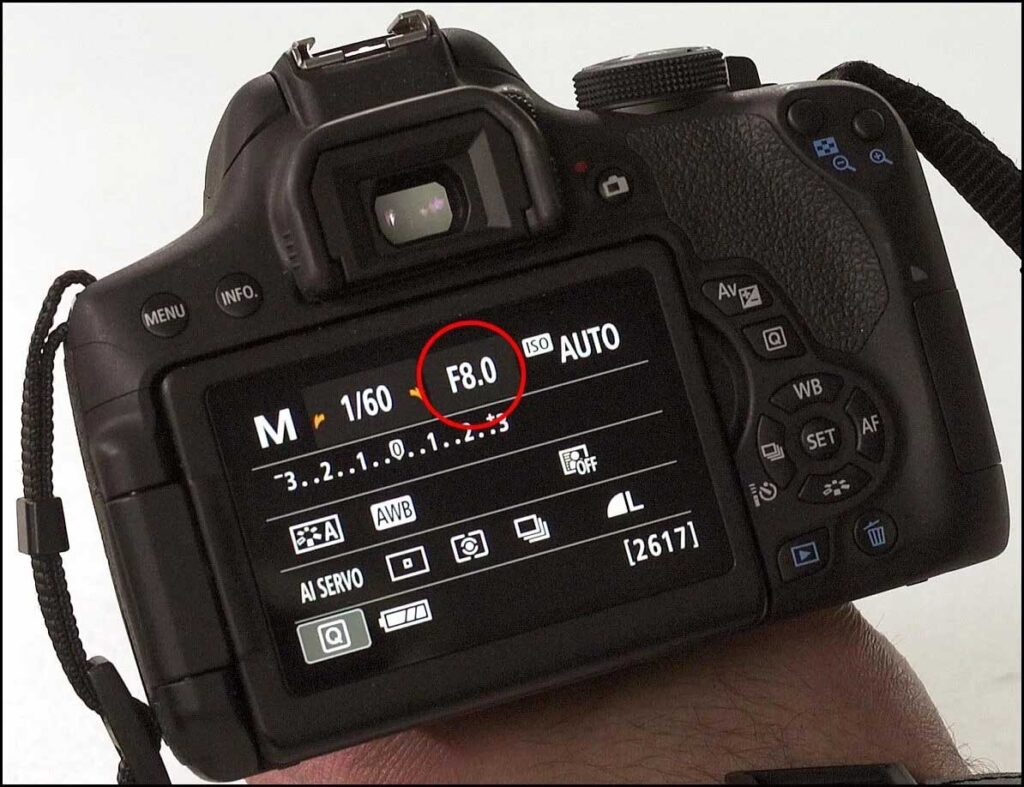
How aperture works:
- Wide aperture (e.g. f/1.8): More light, shallow depth of field
- Mid-range aperture (e.g. f/5.6): Balanced sharpness
- Narrow aperture (e.g. f/11–f/16): Less light, deeper focus across the scene
Real-world examples:
- Portraits often use wide apertures for blurred backgrounds
- Landscapes use narrow apertures for full scene sharpness
- Product photography often uses mid-to-narrow apertures for detail clarity
Key beginner insight:
Aperture is the primary creative control for depth of field, helping isolate subjects or keep entire scenes in focus.
How the Exposure Triangle Works Together
The exposure triangle is not three separate settings, but a balancing system that works together.
If you change one setting, you must adjust at least one of the others to maintain correct exposure.
Example situation:
If you increase shutter speed to freeze motion, less light enters the camera. To compensate, you may need to:
- Increase ISO, or
- Open the aperture wider
This relationship is constant in photography and becomes instinctive with a liitle practice.
Common Beginner Mistakes
Many new photographers struggle because they treat ISO, shutter speed, and aperture independently.
Common issues include:
- Using high ISO unnecessarily, causing noisy images
- Relying too heavily on auto mode without understanding adjustments
- Ignoring shutter speed in low light, resulting in motion blur
- Misusing aperture, leading to unwanted background blur or softness
Understanding the exposure triangle helps eliminate guesswork and builds consistency in results.
Why the Exposure Triangle Matters
Understanding this concept allows you to:
- Shoot confidently in any lighting condition
- Improve image sharpness and clarity
- Control creative effects like blur and depth
- Move away from automatic camera settings
It is the foundation of all technical photography skills and essential for anyone progressing beyond beginner level.
Learn Photography with Structured Guidance
While the exposure triangle can be self-taught, structured learning helps accelerate progress significantly. Practical, hands-on guidance allows beginners to apply ISO, shutter speed, and aperture in real shooting environments.
If you want to develop these skills further, explore photography classes designed to build technical confidence step by step.
You can also explore our tailored courses for structured learning pathways and practical assignments that reinforce camera control fundamentals.
For more insights, techniques, and beginner-friendly guides, visit our choice of practical beginner professional courses and workshops on camera settings, lighting, and composition. and enrol in a structured learning path to strengthen your understanding of exposure, improve consistency, and build confidence behind the camera.
Q&A
What is the exposure triangle in photography?
The exposure triangle is the relationship between ISO, shutter speed, and aperture, which together control the brightness and quality of an image.
How does ISO affect photos?
ISO controls sensor sensitivity to light. Lower ISO produces cleaner images, while higher ISO helps in low-light conditions but may introduce noise.
What does shutter speed do?
Shutter speed controls how long the camera sensor is exposed to light. It affects motion blur and the ability to freeze or capture movement.
What is aperture used for?
Aperture controls how much light enters the lens and influences depth of field, determining how much of the image is in focus.
How do beginners learn the exposure triangle quickly?
Beginners learn faster through practical exercises, structured lessons, and real-world shooting practice that combines ISO, shutter speed, and aperture adjustments.