
The Importance Of Architectural Photography for Realtors
Wed Feb 2026

Category:
In today’s competitive property market, first impressions are made long before a buyer steps through the door. For estate agents and property developers, the quality of your real estate photos can directly influence enquiry levels, viewing requests and final sale price. Architectural photography is no longer a luxury add-on; it is a strategic marketing asset.
This article explores how professional architectural imagery, supports the real estate sector, why it matters commercially, and how to leverage it effectively across listings, brochures and digital platforms, as well as the influence it has on investors seeking short term rentals.
Why Architectural Photography Matters in Real Estate
Property is a visual product. Buyers assess space, light, layout and lifestyle within seconds of viewing a listing online. High quality photography ensures:
- Accurate representation of scale and proportion
- Clear depiction of interior flow
- Enhanced perception of natural light
- Elevated brand positioning for the agency
Inconsistent, poorly composed imagery can reduce perceived value. Conversely, strong architectural photography conveys credibility and attention to detail – qualities buyers associate with both the property and the agent.
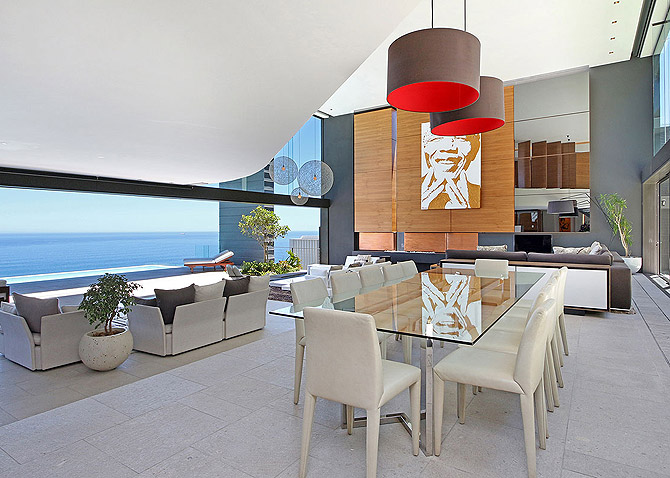
Beyond Snapshots: The Strategic Role of Property Imagery
Architectural photography differs from casual photography in several key ways:
1. Technical Precision
Professional photographers use specialist equipment and techniques to correct distortion and maintain clean vertical lines. Wide angle lenses are often essential for interiors, but when used incorrectly they can distort proportions. A trained architectural photographer understands how to balance field of view with realism.
2. Lighting Control
Natural light is a property’s strongest asset. However, interior spaces frequently require blended exposures or HDR techniques to manage highlights and shadows. Proper lighting ensures:
- Windows are not blown out
- Interior detail is preserved
- Textures and finishes are accurately rendered
This results in imagery that feels both aspirational and authentic.
3. Narrative Framing
Effective real estate photos tell a story. They guide the viewer through the property, showcasing flow from entrance to living areas, to bedrooms and outdoor spaces. The aim is to simulate a viewing experience online.
The Commercial Impact of Professional Real Estate Photos
For estate agencies operating in competitive markets, image quality influences measurable outcomes:
- Higher click-through rates on property portals
- Increased time spent on listings
- More enquiries per property
- Stronger brand perception
Buyers often shortlist properties based on imagery alone. Listings with well-executed architectural photography stand out immediately amongst inconsistent amateur photos.
For agencies looking to strengthen their brand positioning, investing in professional property photography also signals professionalism to vendors. It becomes part of your value proposition when securing mandates.
Key Elements of High-Performing Property Photography
Wide Angle Without Distortion
Wide angle lenses are standard in interior photography. The challenge lies in avoiding exaggerated perspective. Skilled composition ensures rooms feel spacious yet realistic.
HDR and Balanced Exposure
HDR blending, when used correctly, maintains natural contrast. Over-processed images can appear artificial. The goal is subtle enhancement that preserves architectural integrity.
Styling and Staging
Staging plays a crucial role in presenting a property at its best. Whether professionally styled or lightly decluttered, thoughtful presentation helps buyers visualise living in the space. Even small adjustments such as cushions, artwork alignment, and removing personal items can significantly improve image quality.
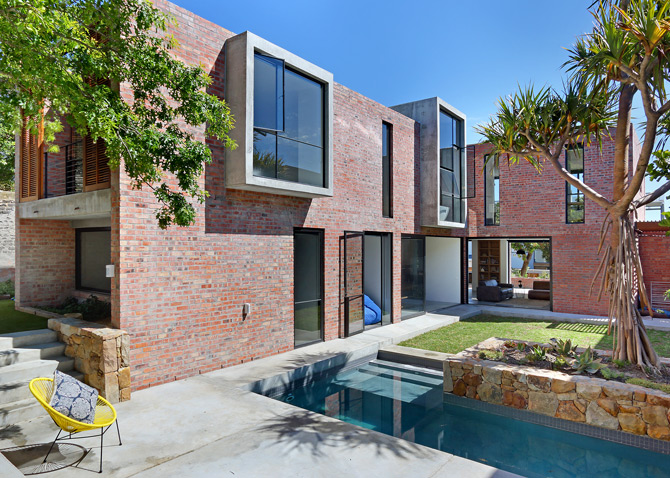
Exterior Architectural Photography
Exterior shots set the tone. They communicate architectural design, setting and lifestyle appeal.
Important considerations include:
- Time of day (golden hour often enhances façades)
- Sky replacement only when appropriate
- Balanced exposure between building and surroundings
- Clear vertical alignment
Real Estate Gallery: Building Visual Consistency
A curated real estate gallery on your agency website reinforces brand consistency. Instead of mixing supplier imagery or smartphone shots, agencies benefit from a unified visual style.
Benefits of a dedicated gallery include:
- Portfolio credibility
- Increased vendor trust
- SEO value through optimised image metadata
- Enhanced dwell time
Professional galleries demonstrate capability. They show potential clients what they can expect when listing with your agency.
Architectural Photography as an Investment
For property professionals, architectural photography should be viewed as a marketing investment rather than an expense.
Consider the lifetime value of a vendor client. If strong imagery contributes to quicker sales and higher satisfaction, the return far exceeds the photography cost. Furthermore, consistently high-quality imagery strengthens:
- Social media marketing
- Print advertising
- Brochures and development launches
- Investor presentations
It also supports your wider brand positioning across all touchpoints.
Integrating Property Photography into Your Service Offering
Forward-thinking agencies integrate professional imagery into their standard marketing packages. When presenting to vendors, agents can explain:
- The technical process
- The importance of lighting and composition
- The expected impact on buyer engagement
This positions the agency as knowledgeable and proactive.
For a comprehensive overview of how visual services integrate with wider marketing support, explore our photographer that provide professional real estate solutions.
Best Practices for Estate Agents
To maximise the impact of architectural photography:
- Prepare the property thoroughly
Ensure cleaning, decluttering and minor maintenance are complete before the shoot. - Schedule strategically
Choose times of day that optimise natural light. - Collaborate on shot lists
Highlight key features such as fireplaces, double-volume ceilings or landscaped gardens. - Maintain consistency across listings
Uniform visual standards strengthen agency branding. - Avoid over editing
Authentic representation builds trust and reduces viewing disappointment.
The Trust Factor: Why Professional Standards Matter
In a digital first property market, imagery directly affects trust. Overly manipulated images can create unrealistic expectations. Professional architectural photography balances enhancement with honesty.
This approach aligns with best practice guidelines in property marketing, ensuring compliance and protecting long term reputation.
Frequently Asked Questions (Q&A)
What is the difference between architectural photography and standard real estate photography?
Architectural photography focuses on precision, composition and accurate representation of design. It emphasises structural lines, spatial balance and lighting control, whereas standard photography may prioritise speed over technical accuracy.
Do professional real estate photos really increase enquiries?
Yes. High-quality imagery improves click-through rates and engagement on property portals. Buyers are more likely to enquire about listings that appear professionally presented.
When should HDR be used in property photography?
HDR is useful when there is significant contrast between interior and exterior light, such as rooms with large windows. It should be applied subtly to maintain a natural appearance.
Is staging necessary before a shoot?
Staging is highly recommended. Even light staging or decluttering enhances perceived value and helps buyers visualise living in the property.
How many images should a property listing include?
The optimal number depends on property size, but listings should comprehensively cover key spaces without repetition. Quality and flow matter more than sheer quantity.
Does wide angle photography distort rooms?
When used correctly, wide angle lenses capture space accurately. Distortion occurs only when lenses are misused or camera positioning is incorrect.
How can agencies maintain consistent visual branding?
By partnering with a professional architectural photographer and developing a cohesive style across all listings and marketing materials.
Are drone shots necessary for every property?
Not always. Drone imagery is particularly valuable for larger homes, estates, developments or properties where location context adds selling appeal.
Closing Perspective
Architectural and Real Estate photography plays a central role in modern property marketing. For estate agents and developers, it enhances visibility, builds brand authority and supports stronger commercial outcomes.
In a competitive landscape, well-executed real estate photos are not merely visual assets; they are strategic tools that help sell property more effectively.
By investing in professional standards, agencies position themselves as trusted advisors in an increasingly image-driven market.