
The Power of Visual Storytelling in Modern Marketing
Tue Sep 2026

Category:
Marketing has always been about communication. What has changed is how quickly people encounter, interpret and respond to that communication.
A potential customer might see a photograph on LinkedIn, watch a short video on Instagram, visit a website, encounter a founder’s profile image, or see a product demonstrated before they ever read a detailed description of the business.
That makes visual communication more than decoration. It has become part of how a brand explains who it is, what it does and why people should pay attention.
This is where visual storytelling in marketing becomes particularly powerful. Instead of treating photography and video as individual pieces of content, businesses can use them together to create a recognisable narrative that communicates personality, credibility, emotion and purpose.
What is visual storytelling in marketing?
Visual storytelling is the use of photography, video, design, composition, people, environments and visual details to communicate an idea or narrative… in an effective and meaningful way.
For a brand, that narrative might show the people behind the business, demonstrate how a product is made, capture a customer experience, communicate a particular lifestyle or establish a distinctive visual identity.
The important distinction is that effective imagery has a reason for being there.
A photograph should not simply look good. It should contribute something to the message.
Professionally shot portrait photography and headshots can communicate confidence and approachability. A workplace photograph can demonstrate culture whilst product imagery can establish quality and attention to detail. Video can introduce movement, personality and context that a single image cannot always provide.
Together, these elements create a visual language that audiences can recognise.
Why does imagery create such a strong response?
People don’t experience a brand through words alone.
Images can communicate a huge amount in a matter of seconds. The right photograph can create a sense of atmosphere, tone and emotion almost instantly. It can make a brand feel professional, warm, confident, energetic or trustworthy before someone has even read the first line of copy.
But good photography, on its own, doesn’t necessarily create engagement. The context still matters.
The most effective brand imagery is created with the audience and the message in mind. A financial consultancy shouldn’t necessarily look like a fashion label. A technology company doesn’t need to present itself in the same way as a hotel or hospitality brand. Different audiences have different expectations, and the visual language needs to reflect that.
That’s where the creative choices come in. Lighting, location, composition, styling, colour, expressions and movement all play a role. None of these things should be chosen simply because they look good. They should work together to reinforce what the brand is trying to say.
Brand storytelling photography needs strategy
One of the common mistakes businesses make is commissioning individual photographs without considering how those images will work together.
A company may have a good headshot, a few product photographs and some social media content, yet still struggle to maintain a consistent visual identity.
A stronger approach begins with the question:
What should someone understand about this brand after seeing its content?
From there, photography can be planned around a series of related messages.
For example, a professional services business might need:
• Credible portraits of its leadership team
• Informal images showing people at work
• Environmental photographs that establish the working environment
• Detail shots that provide visual variety
• Images suitable for websites, presentations and LinkedIn
• Short-form video for social platforms
• Behind-the-scenes material that makes the business feel more human
This creates a library of useful assets rather than a collection of disconnected photographs.
It also makes future marketing easier because the business has a bank of relevant material to work with.
Emotion is part of the message
Information explains. Emotion helps people connect with it.
Consider the difference between showing a restaurant’s empty dining room and showing people enjoying an experience around a table.
Imagery may accurately represent the business. They simply communicate different things.
The same principle applies to corporate photography.
A formal executive portrait may be appropriate for a website or annual report. A more relaxed visual of that same person interacting with colleagues might be better for a LinkedIn article or company culture campaign.
Neither approach is universally right or wrong. The purpose of the image determines the treatment.
Effective storytelling therefore considers not only the visual communication, but also what the audience should feel, understand or remember.
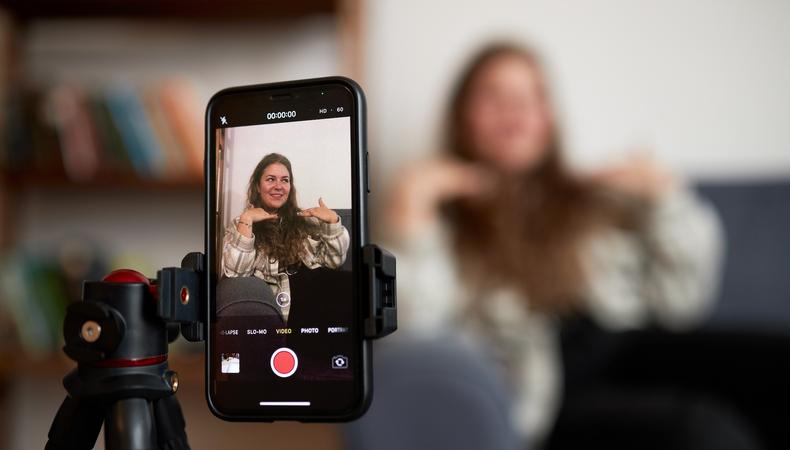
Photography and video work better together
The visual imagery remains one of the most versatile forms of brand content, but video adds another dimension.
Movement, speech, sound and timing can reveal aspects of a business that still images cannot.
A founder explaining why the company exists can create a very different connection from a corporate biography. A short demonstration can explain a product more effectively than several paragraphs. A behind-the-scenes sequence can make a business feel more accessible.
The opportunity is not necessarily to produce expensive cinematic campaigns.
Short, well-planned content can often be adapted across multiple channels.
A single production session could generate:
• Website imagery
• LinkedIn content
• Social media photographs
• Short vertical videos
• Interview clips
• Behind-the-scenes footage
• Website banners
• Campaign assets
• Profile photographs
This is where strategic content production becomes particularly valuable. The objective is to create a collection of assets that can continue working after the original shoot has finished.
Consistency builds recognition
Strong brands are rarely built around one memorable photograph.
They are built through repeated visual signals.
The way people are captured in front of the camera, the environments they appear in, the use of light, the framing, colour palette and overall tone can gradually create recognition.
Consistency does not mean making every image identical.
It means ensuring that different pieces of content feel as though they belong to the same brand.
This becomes increasingly important when content appears across multiple platforms. A website, LinkedIn profile, Instagram feed and presentation should not necessarily contain identical imagery, but there should be a relationship between them.
A useful visual system gives marketing teams more flexibility without losing identity.
The role of professional portraits
People often underestimate the importance of a strong professional portrait.
For many businesses, the first human connection a potential client has with the company is a photograph of its founder, director, consultant or team member.
That image contributes to the perception of the organisation.
Professional headshots can therefore form an important part of a wider visual strategy rather than being treated as an isolated corporate requirement.
For businesses looking to refresh their people-focused imagery, see our professional headshot photography services as part of the broader brand content mix.
Build the story before you build the shoot
The most productive content sessions usually start before the camera comes out.
Begin by identifying:
Who are we speaking to?
What do we want them to understand?
What should they feel?
Where will the content be used?
What assets will we need over the next three to six months?
Those questions can change the entire production.
Instead of capturing a handful of attractive images, the shoot becomes a planned content exercise.
That might mean taking the shot of the same person in several situations, creating both horizontal and vertical compositions, capturing movement for video, or deliberately leaving negative space for website copy and advertising.
Good planning gives creative work a practical purpose.

Visual storytelling is about relevance, not volume
More content does not necessarily mean better content.
A business can produce hundreds of creative content and still lack the right image for an important campaign.
The better question is whether each piece of content has a job.
Does it introduce someone?
Does it demonstrate expertise?
Does it explain a product?
Does it show an experience?
Does it establish credibility?
Does it make the brand more recognisable?
Does it give an audience a reason to stop scrolling?
When the content production and video are created around those questions, the result becomes much more useful than a collection of attractive images.
Frequently asked questions about visual storytelling
What is the difference between visual storytelling and ordinary brand photography?
Brand photography often focuses on representing a business visually. Visual storytelling goes a step further by considering the narrative, emotion, context and intended audience behind those images.
The two overlap, but storytelling gives the imagery a clearer strategic purpose.
Why is visual storytelling important for brands?
It helps brands communicate ideas quickly and create a more recognisable identity across different channels. Strong visual communication can also make a business feel more human, credible and distinctive.
How can photography support brand storytelling?
Professional visual assets can show people, products, environments, processes and experiences that help explain what a business stands for. A planned collection of images can then be used across websites, social media, campaigns, presentations and other marketing channels.
Is video better than photography for marketing?
Not necessarily. They serve different purposes.
The visual material is highly versatile and can work across websites, print, social media, advertising and professional profiles. Video adds movement, speech and sound. Using both allows a brand to communicate in different ways depending on the platform and audience.
How do you plan a storytelling photoshoot?
Start with the audience and business objectives. Define the key messages, decide where the content will be used and identify the different types of assets required. From there, plan locations, people, styling, lighting, compositions and video requirements.
Can one photoshoot create content for multiple platforms?
Yes. With appropriate planning, one production can generate a range of well related photographs and video clips for websites, LinkedIn, Instagram, presentations, advertising and other marketing applications. The key is to plan the required formats and messages before the shoot.
What makes a strong visual brand?
A strong visual brand combines consistency with relevance. High end photography that relates to the brief, video, design, colour, composition and tone should work together to communicate a recognisable identity while still being appropriate to the audience and context.
Turn your brand into a visual story
The strongest marketing imagery does more than fill a website or social media feed.
It gives people something to understand, remember and connect with.
When photography and video are planned around a clear narrative, every image has greater potential to contribute to the brand. Instead of producing content simply because a business needs new photographs, the production becomes part of the marketing strategy itself.
If your business is ready to create more purposeful imagery around the people, products and ideas that make it distinctive, book a branding session and start building a visual library with a clear purpose.