
What Every Event Photographer Should Know
Wed Oct 2025

Category:
Events are full of raw emotion, natural laughter, and fleeting expressions, the kind that can’t be staged. While posed group photos are expected, the true story of any occasion is told through its candid moments.
Whether you’re covering a corporate event, private celebration, or brand activation, mastering event photography tips that help you capture authenticity is what separates average event photos from unforgettable ones.
This guide will show you how to anticipate, position, and shoot candid moments like a pro. At the end, you’ll also find a checklist to help you prepare for your next event shoot.
1. The Power of the Candid Shot
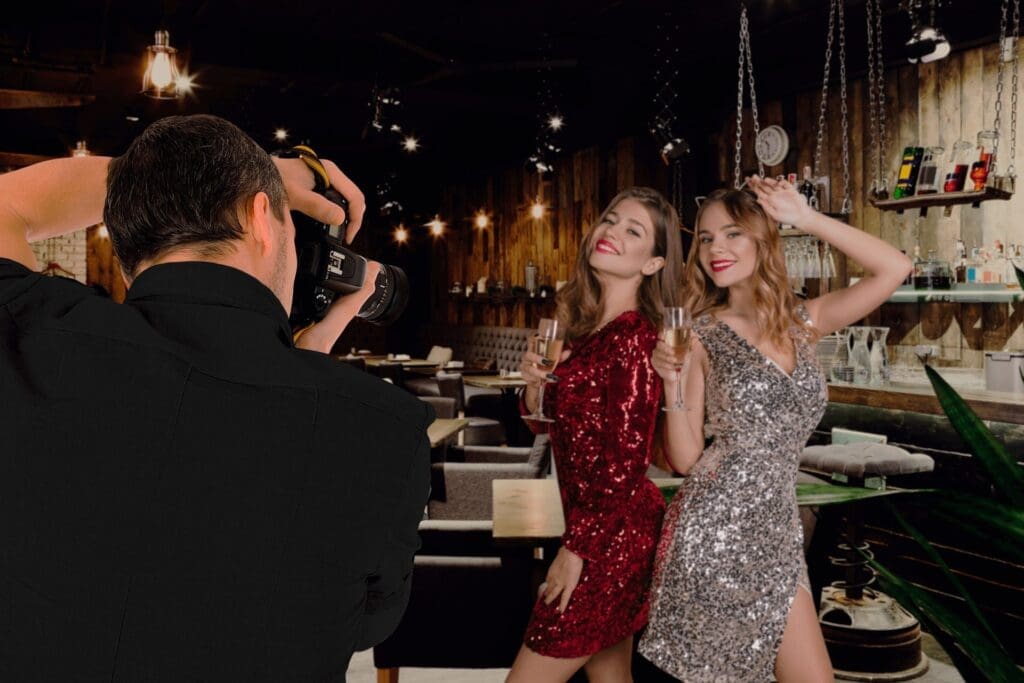
Candid photography is all about capturing people as they are in the moment without posing. These unscripted moments create emotional depth and tell real stories.
- Why it matters: Candid photos humanise events and showcase connection and energy. True candid work requires awareness and timing.
- Where it works: Corporate launches, conferences, galas, networking events, and weddings.
When you focus on authentic interactions, you’re documenting an event as an experience, not just as a timeline of staged images. It is what’s real at that moment that counts.
2. Pre-Event Preparation
Before the first guest arrives, success depends on planning and understanding the flow of the event.
A. Understand the Schedule
Request a detailed run sheet from the event organiser. Knowing when speeches, toasts, or key interactions occur helps you position yourself in the midst of the moment for spontaneous behaviours.
B. Scout the Venue
Visit the location early to assess lighting conditions, ambient shadows, and crowd movement. Note reflective surfaces or clutter that could distract from your shots. This willl also provide a good idea of what lenses will work best in the space.
C. Prepare a Flexible Shot List
Create a base list of must to have images such as VIPs, signage, décor, and crowd interactions. Leave room for spontaneous storytelling, as those moments often become client favourites.
D. Gear & Settings Readiness
- Bring fast lenses (e.g. 35mm f/1.8, 70–200mm f/2.8)
- Carry spare batteries and memory cards and chargers
- Keep your lighting compact and subtle (a bounce flash or LED panel)
- Test camera settings before the event begins to insure you are ready for anything
3. Camera Settings for Candid Success
A. Aperture, Shutter, ISO
- Aperture: Use wide apertures (f/1.8–f/2.8) to separate subjects and blur busy backgrounds.
- Shutter: Keep it above 1/250 s to freeze motion, faster may be required for action scenes.
- ISO: Try keep your ISO below 3200 to avoid grain.
B. Autofocus Strategy
Use Continuous AF (AF-C) so your focus adjusts as subjects move. Zone or group- area focus modes work well when capturing moving people in unpredictable lighting. Alternatively mke your of servo options and tracking or follow focus depending on the situation.
C. Burst Mode
Switch to continuous shooting during high-energy or emotional sequences like clapping, laughter and spontaneous reactions as you’ll increase your odds of nailing that perfect frame. This is a quick way of capturing many images through the high speed continuous mode. You bound to get the shot that you are looking for.
D. White Balance & Exposure
Auto White Balance works well in mixed lighting. Use exposure compensation when faced with spotlights or backlighting, especially in corporate event photography where lighting can shift rapidly or bounce off walls that may bright or bold in colour.
4. Positioning & Body Language
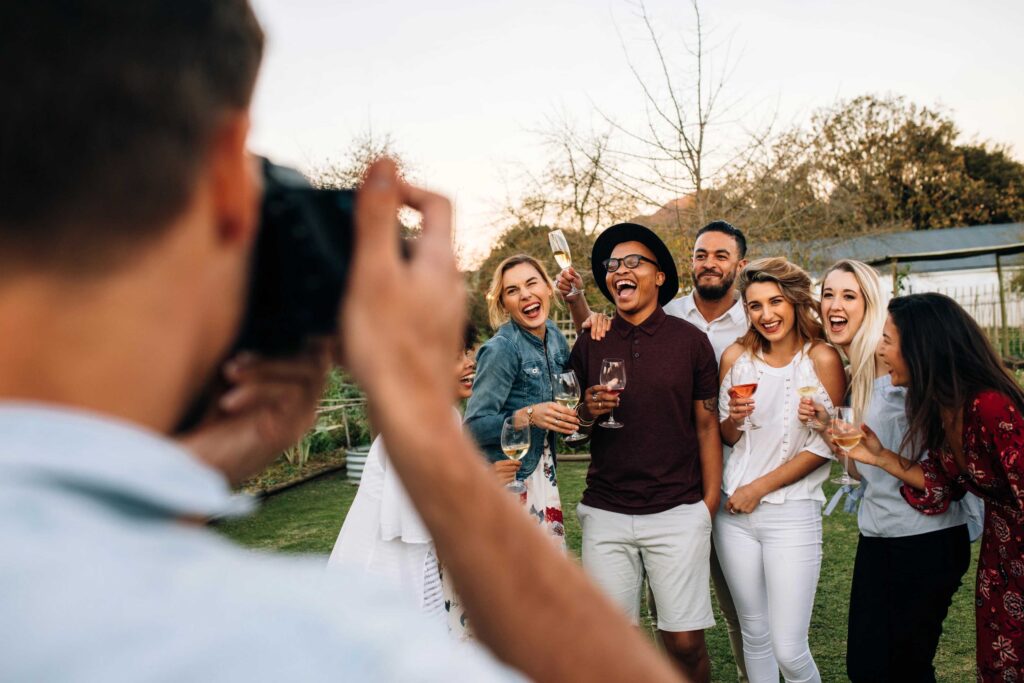
How you move and interact affects how people behave around you , resulting in how candid your results feel. You need to fit in like a fly on the wall without any chance of disrupting the moment.
A. Blend In
Dress appropriately and move confidently yet calmly. Avoid sudden gestures that draw attention. The goal is to be present, not intrusive.
B. Use Natural Cover
Position yourself behind furniture, décor, or groups to shoot unnoticed. Use these elements as framing devices for depth and storytelling. They work well as they help create the ambience and charactr environment of the situation.
C. Vary Angles
Try low angles for dynamic group shots or high vantage points for context. Changing height and perspective helps create a visual rhythm across your photo set. it is important to maintain proportion and scale, so avoid being too radical.
D. Anticipate
Watch body language. Anticipate a laugh, a handshake, or applause, and be ready moments before it happens. Anticipation is the core of candid photography techniques.
E. Shoot Through the Moment
Don’t stop clicking too soon. Emotional expressions often evolve, keep shooting until the energy fades. Often it is the final shots that are the best.
5. Composing the Story
A. Simplify Your Frame
Avoid visual clutter. Adjust your position rather than relying on cropping later. Keep focus on expressions, not distractions.
B. Apply the Rule of Thirds
Position your subject off-centre to create balance and flow. Leave negative space to convey atmosphere or crowd context.
C. Capture Context
Mix wide environmental shots with tight close ups. The balance between setting and subject gives the viewer a sense of place and story.
D. Seek Interaction
People reacting to one another, laughter, surprise, gestures always feel authentic. These “micro-moments” build emotional connection in event galleries.
E. Variety in Presentation
Deliver a mix of black and white edits for mood, and colour for vibrance. Include details like signage, glasses clinking, or décor for visual storytelling.
6. Professional Conduct & Client Experience
A. Respect Privacy
Avoid photographing people while eating or in unflattering light. Be ready to delete or skip shots if asked. People need to be in their comfort zone without being subjected to harassment..
B. Build Comfort
A quick friendly introduction can make guests more relaxed when you’re nearby. The more natural they feel, the better your candid images.
C. Stay Out of the Spotlight
Never block views during speeches or performances. Use longer focal lengths when working from a distance, even a having a zoom lens on hand is a good option.
D. Deliver Fast
Share event highlights within 24–48 hours while the excitement is still fresh. Quick delivery can lead to repeat bookings and referrals.
7. Candid Event Photography Checklist
Below is your easy to reference checklist which can provide guidance for your next event shoot:
| Stage | Checklist |
|---|---|
| Pre-Event | Confirm schedule and shot list; scout location; pack fast lenses and spares; test exposure. |
| Arrival | Capture setup, décor, staff, and first guests. |
| During Event | Stay discreet; use burst mode; anticipate reactions; vary angles and lenses. |
| Key Moments | Focus on natural emotions — applause, toasts, laughter, greetings. |
| Wrap-Up | Get wide closing shots and venue ambience. |
| Post-Event | Cull the best images for storytelling; edit consistently; deliver promptly. |
Considerations
Candid photography transforms event coverage from documentation into storytelling. By anticipating emotion, using the right camera settings, and moving with quiet intention, you’ll capture authentic moments that resonate far beyond the event itself.
Ready to put these event photography tips into practice?
Explore our professional event & functions photography services and discover how we capture your brand’s story naturally.