
What Is Included in Professional Photography Services?
Thu Aug 2026

Category:
Hiring a professional photographer is about considerably more than turning up with a camera and taking a few photographs.
Whether you need corporate headshots, product imagery, portraits, interiors, events or marketing content, a professional shoot should involve planning, technical expertise, image selection, post-production and clearly defined deliverables.
Understanding what is included helps you compare photographers more effectively, set realistic expectations and make sure the final images are suitable for their intended purpose.
So, what should you expect when you book professional photography?
It Starts With a Consultation
A successful shoot usually begins before the camera comes out.
A consultation gives the photographer an opportunity to understand what you need, where the images will be used and what you want them to achieve. For a business, this might involve discussing brand guidelines, website requirements, advertising campaigns or social media content.
For an individual, the conversation could focus on the style of portraiture, location, wardrobe, preferred backgrounds or the overall look you want to achieve.
This initial discussion can also identify practical considerations such as:
- Number of people or products being photographed
- Location and available space
- Required backgrounds and lighting
- Number of final images
- Image usage and intended platforms
- Styling, hair and makeup requirements
- Timing and scheduling
- Delivery deadlines
Good planning reduces surprises and allows the photographer to prepare the appropriate equipment and resources.
Choosing the Right Photography Approach
There is no single setup that works for every assignment.
A corporate headshot may benefit from controlled studio lighting and a consistent background. Product photography may require careful reflection control and precise positioning. An interior shoot depends heavily on the available ambient light, perspective and how the space needs to be represented.
This is where experience becomes particularly valuable. A professional photographer should be able to recommend an approach rather than simply ask the client what equipment or setup they want.
Equipment and Lighting
Professional photography requires more than a camera body and lens.
Depending on the assignment, equipment may include studio lights, modifiers, reflectors, tripods, backdrops, tethering equipment, additional lenses and other specialist accessories.
Lighting is particularly important because it influences the appearance, mood, texture and consistency of the final images.
A photographer working with products, for example, may need a very different lighting arrangement from one photographing a group of executives.
The equipment should support the objective rather than become the objective itself. The important question is whether the photographer has the technical ability and resources to produce the required result.
The Photography Session
The actual shoot is only one part of the overall service, but it is obviously an important one.
A professional photography service in Cape Town, the rest of South Africa and anywhere else, should provide direction throughout the session where appropriate.
For portrait and corporate work, this can include guidance on posture, positioning, facial expression and how to look natural in front of the camera.
For commercial assignments, it may involve carefully positioning products, adjusting lighting, checking compositions and reviewing images during the shoot.
The photographer is also responsible for monitoring technical details such as focus, exposure, white balance, lighting consistency and image quality.
This is particularly important when the photographs form part of a larger campaign and need to maintain a consistent visual appearance.
Image Selection
Depending on the assignment, you may not receive every photograph taken during the session.
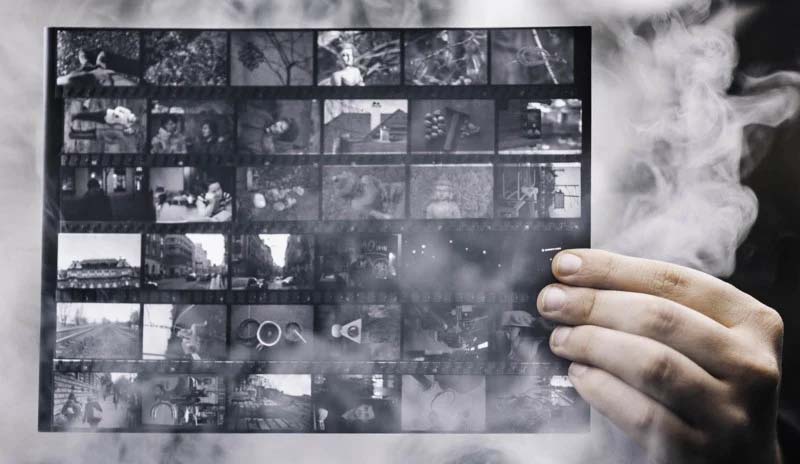
A typical shoot can produce a large number of frames, including test shots, duplicates, expressions that do not work, technical variations and images that simply do not meet the required standard.
Professional photographers generally review the images and identify the strongest selections.
This process, sometimes called culling, saves the client from having to sort through hundreds of similar photographs and helps ensure that the final collection represents the strongest work from the session.
For some assignments, clients may be involved in the selection process. For others, the photographer may provide a curated gallery for review.
Professional Image Editing
Post-production is another significant part of the process.
The level of editing depends on the type of photography and the agreed deliverables.
Basic professional processing can include:
- Exposure and contrast adjustments
- Colour correction
- White balance
- Cropping and composition adjustments
- Highlight and shadow recovery
- Sharpening
- Noise reduction
- Consistency across a series of images
More extensive retouching may include skin refinement, removal of distracting objects, background adjustments or detailed product retouching.
It is important to distinguish between normal image processing and extensive retouching. If you require detailed manipulation, it should be discussed before the shoot because it can affect both the production process and the final cost.
Deliverables Should Be Clearly Defined
One of the most important questions to ask before booking is:
What exactly will I receive?
Deliverables should ideally be agreed in advance.
This can include the number of finished photographs, file format, resolution, editing level and method of delivery.
For example, photographs intended for a website may require different specifications from images intended for large-format printing.
A professional service should make it clear whether you are receiving high-resolution files, web-optimised versions or both.
It is also worth clarifying whether the quoted number refers to photographs taken, selected photographs or fully edited final images. These are very different things.
Image Usage and Licensing
Owning a photograph and having permission to use it are not necessarily the same thing.
For commercial assignments, usage should be discussed where relevant. A business may want to use an image on its website, social media, advertising, packaging, printed material or other marketing platforms.
The intended use can influence the scope of the assignment and should therefore be established during the planning stage.
Clear communication around usage helps both the photographer and client understand what has been agreed.
What About RAW Files?
Clients occasionally ask whether they should receive the original RAW files.
In most professional assignments, the finished, processed images are the intended deliverable rather than the camera originals.
RAW files are essentially digital negatives. They contain extensive image data but normally require processing before they are suitable for normal use.
A client may have a legitimate reason for requesting them, particularly where another professional will be handling post-production. However, this should be discussed before the assignment rather than assumed to be included.
The important distinction is between original capture files and finished deliverables.
How Long Does the Process Take?
Turnaround times vary considerably.
A small portrait session may require relatively little post-production, while a commercial shoot involving hundreds of products or detailed retouching can take substantially longer.
A professional quote should therefore establish an expected delivery timeframe.
If the images are required for a campaign, launch or publication, tell the photographer about the deadline at the enquiry stage.
Rushing a shoot or post-production process at the last minute can compromise quality, particularly where extensive editing is required.
What Is Not Necessarily Included?
Not every photography service automatically includes everything a client might need.
Depending on the assignment, additional services may include:
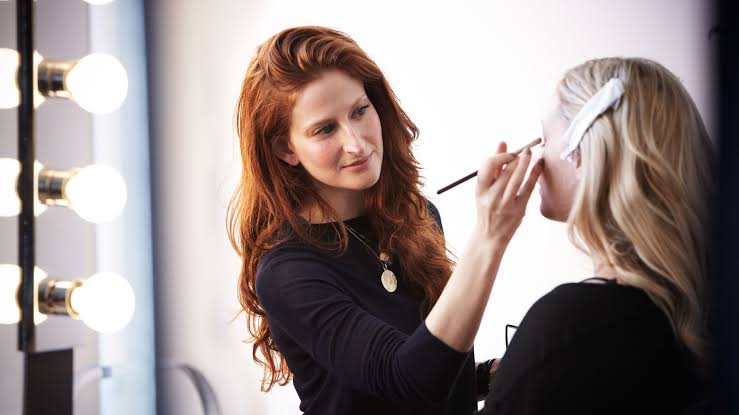
- Hair and makeup
- Professional styling
- Models
- Location hire
- Props
- Advanced retouching
- Additional edited images
- Rush delivery
- Travel outside the agreed area
- Special production requirements
This does not mean these services are unreasonable extras. They simply involve additional time, people or resources and should be identified during the planning process.
What Makes a Professional Service Different?
The biggest difference is often not the camera.
It is the process.
A professional photography brings together technical knowledge, visual judgement, communication and experience. They should be able to anticipate problems, make recommendations and adapt when conditions change.
For a business, this can be particularly important. Commercial imagery needs to do more than look attractive. It needs to represent the organisation appropriately and work within a wider marketing strategy.
The strongest assignments therefore begin with a clear understanding of the client’s objective and finish with images that are ready for their intended application.
Before You Book, Ask These Questions
You do not need to know everything about photography before hiring a photographer. A few straightforward questions can, however, prevent misunderstandings.
Ask:
What is included in the quoted fee?
Clarify the shoot duration, number of final images, editing and any additional services.
How many finished photographs will I receive?
Make sure you understand whether this refers to selected or fully edited images.
What level of editing is included?
Basic colour correction and professional retouching are not the same thing.
How will the photographs be delivered?
Ask about file format, resolution and whether web-ready versions are supplied.
When will the final images be delivered?
This is particularly important if the photographs are needed for a specific launch or campaign.
Can I use the photographs commercially?
Discuss intended usage before the shoot so expectations are clear.
What happens if I need additional images?
Find out whether additional selections or retouching can be ordered after the initial delivery.
The Punchline!
To find professional photography services is a process, not simply a camera session.
From the initial consultation and planning through to lighting, image capture, selection, editing and delivery, every stage contributes to the final result.
The best service is one where expectations are clear before the shoot begins and the photographer understands not only what you want photographed, but why you need the images.
That clarity makes the process easier for everyone and gives you a much better chance of receiving photographs that are genuinely useful.
Frequently Asked Questions
What is normally included in a professional photography service?
A typical service can include consultation, planning, photography, professional equipment and lighting, image selection, standard post-production and delivery of agreed final images. The exact inclusions depend on the type and scope of the assignment.
Does professional photography include editing?
Generally, professionally delivered photographs will receive some level of post-production. This commonly includes adjustments to exposure, colour, contrast, cropping and sharpness. More extensive retouching may be charged separately.
How many photographs should I expect from a professional shoot?
There is no universal number. A corporate headshot session may produce a small selection of final images, while an event or commercial campaign could require considerably more. The important point is to establish the number of finished images before booking.
Are RAW files included with professional photography?
Not usually. RAW files are original camera captures and are generally retained by the photographer unless supplying them has been specifically agreed. Finished, edited photographs are normally the intended client deliverable.
What should I provide to the photographer before a commercial shoot?
Useful information includes your objectives, brand guidelines, examples of preferred imagery, intended usage, required formats, deadlines and details about the products, people or locations involved.
How much does commercial photography cost?
Pricing varies according to the complexity of the assignment, production requirements, number of images, location, equipment, editing and intended usage. A detailed brief allows the photographer to provide a more accurate quotation.
Why is a consultation important before a photography session?
A consultation establishes what the images need to achieve and identifies practical requirements before production begins. It can also reveal potential issues with location, styling, lighting, scheduling or deliverables.
What is the difference between photography and post-production?
Photography is the image capture stage. Post-production is what happens afterwards, including selecting the strongest photographs and processing or retouching them to the agreed standard.
How should I choose a professional photographer for my business?
Look beyond camera equipment and pricing. Review relevant examples of previous work, ask about their process, establish exactly what is included and make sure they understand the intended purpose of the photographs.
Experience Matters
At dlphoto professional photography is approached as a complete process rather than simply a shoot. With experience across corporate, commercial, product, portrait, interior and event photography, the emphasis is on understanding the brief, controlling the technical aspects of production and delivering imagery that can be used effectively.
For businesses and individuals, that experience can make the difference between simply having photographs and having photographs that actually serve a purpose.