
What To Expect To Learn in a Photography Workshop
Wed Jun 2026

Category:
If you have ever considered joining structured photography workshops, you might be wondering what the experience actually feels like once you arrive. Is it technical and overwhelming? Is it casual and creative? Or somewhere in between?
The short answer is that it is a practical, hands-on learning experience designed to take you from uncertainty to confidence in a step by step way.
This guide breaks down exactly what happens inside a typical session, especially for beginners exploring photography classes Cape Town or similar entry-level learning environments. You will see how the day flows, what you’ll learn, and how each stage builds your skills naturally.
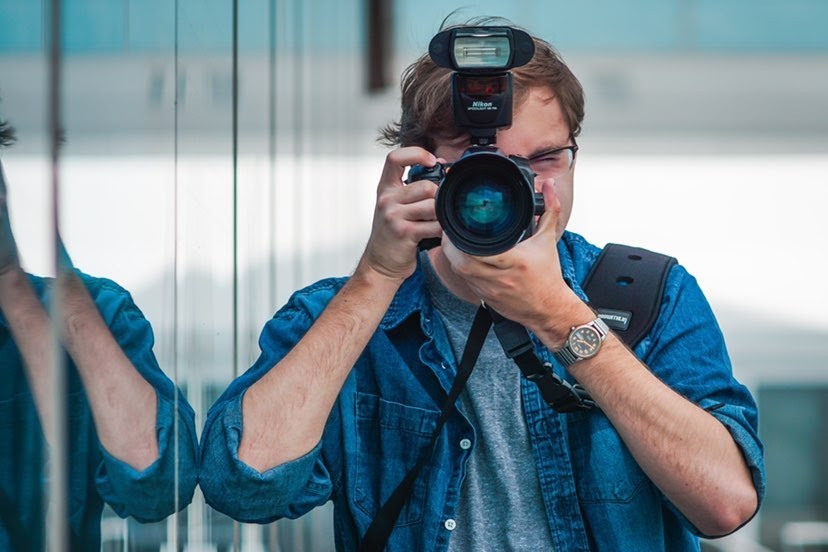
A Welcoming Start: Getting Comfortable Behind the Camera
Most beginner-friendly photography training sessions begin in a relaxed, informal setting. There is usually no pressure as a beginner other than to just a focus on getting comfortable.
You’ll typically start by:
- Meeting your instructor and fellow learners
- Sharing your experience level (often complete beginners)
- Getting a short overview of the day’s structure
- Learning what you’ll be practicing and why
In locations such as Cape Town, the environment often plays a big role in shaping the experience. Whether indoors or outdoors, the setting is chosen to help you practise real-world photography rather than abstract theory.
This opening phase is important because it shifts the mindset from “I don’t know how to use this camera” to “I’m here to learn by being hands-on and doing it.”
Understanding the Basics Without the Overwhelm
Once everyone is settled, the session usually moves into core camera fundamentals, normally in a very practical way.
Instead of long technical lectures, you will explore the three essential building blocks of photography:
- Aperture
- Shutter speed
- ISO
In many introductory camera workshops, these concepts are explained through immediate demonstration. For example, you might take the same photo multiple times while adjusting only one setting to see how the image changes instantly.
This is where beginners often experience their first breakthrough moment. Things that previously felt confusing suddenly make sense when seen visually.
You will also typically cover:
- How to achieve proper focus
- When to use auto vs manual mode
- Basic framing and composition principles
- Common beginner mistakes (and how to fix them quickly)
Rather than memorising rules, you begin to understand cause and effect.
Learning from Live Demonstrations
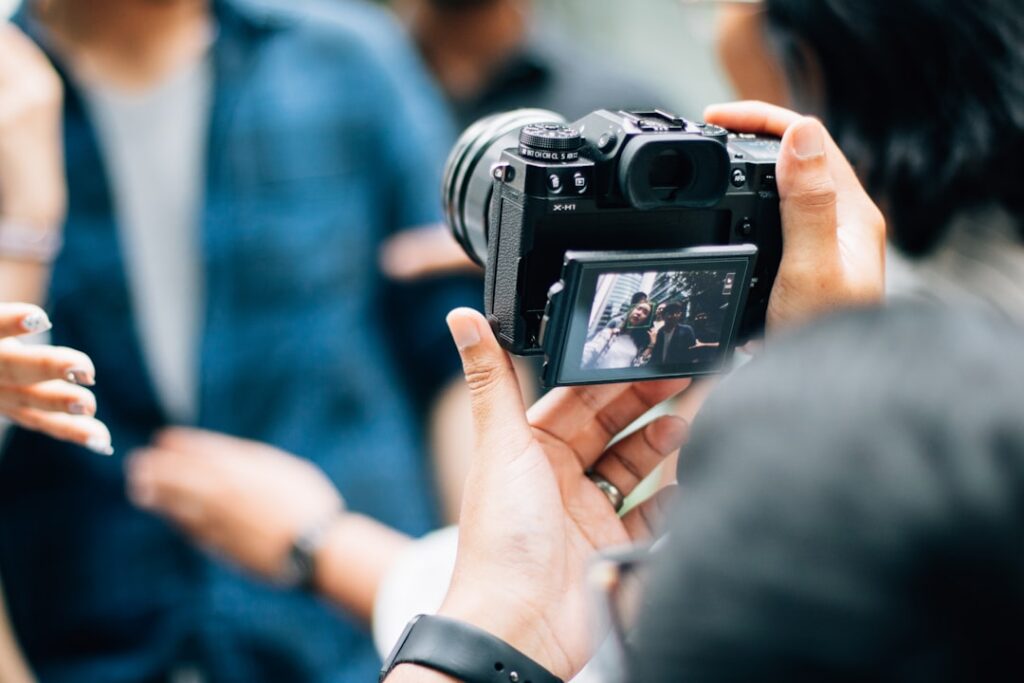
A key part of most photography workshops is watching the instructor in action.
This is where theory turns into real-world application.
The instructor will usually demonstrate a live shoot, which could include:
- Portrait photography using natural light
- Simple studio-style setups
- Street or environmental photography
- Creative compositions using everyday objects
What makes this stage valuable is not just watching the photo being taken, but understanding the thinking behind it.
You will hear things like:
- Why a specific angle was chosen
- How lighting influenced the shot
- What camera settings were used and why
- How distractions in the background were avoided
This kind of insight helps you realise that photography is not accidental, but intentional in the decision-making process.
Hands-On Practice: Where Real Learning Happens
The most important part of any hands-on photography classes is the shooting time.
This is where everything starts to click.
You will be given simple but focused exercises such as:
- Capturing images using different aperture settings
- Practising motion freeze with shutter speed adjustments
- Exploring light and shadow in your environment
- Framing the same subject in multiple ways
The instructor moves around the group, offering personalised feedback like:
- “Try lowering your shooting angle for stronger composition”
- “Increase your shutter speed to reduce blur”
- “Watch how your background is affecting focus”
This real-time correction is what makes structured learning so effective. You don’t just learn what went wrong, but how to fix it immediately and see improvement on the spot.
Most learners are surprised by how quickly their confidence builds during this stage.
Developing an Eye for Composition
As the session progresses, attention shifts from technical settings to creativity.
This is where creative photography learning sessions stand out from self-study approaches.
You begin to focus more on:
- Framing and balance
- Leading lines and visual flow
- Use of light and shadow
- Storytelling through images
Instead of thinking “How do I take a photo?”, you start asking “What do I want this photo to say?”
This shift is subtle but powerful. It is often the moment beginners start to see photography as an expressive skill rather than a technical challenge.
Group Feedback and Learning from Others
After shooting, participants usually gather to review their work together.
This part of the experience is often overlooked, but it is one of the most valuable learning tools in structured photography training sessions.
You will typically:
- Select a few of your favourite images
- Share them with the group
- Receive constructive feedback from the instructor
- Observe how others approached the same subject differently
This creates a wider perspective on creativity. You quickly realise there more than one way to take a photo as there are many interpretations of the same scene.
It also helps you understand what makes an image strong, beyond technical correctness.
Simple Editing Introduction
Many beginner programmes include a light introduction to editing tools.
This is not about advanced software or heavy retouching. Instead, it focuses on small, meaningful adjustments such as:
- Cropping for better composition
- Adjusting exposure and contrast
- Enhancing natural colours
- Cleaning up distractions in the frame
- Focusing on your personal genre and style
The key lesson here is that editing supports your photography, it doesn’t fix it.
Good images start in-camera, not on a screen.
Q&A and Practical Next Steps
Towards the end of most beginner photography courses, there is usually time for questions.
This is where learners ask practical things like:
- What camera should I use next?
- How do I shoot better in low light?
- What should I practise after today?
The instructor typically provides simple, actionable advice rather than complex theory. You will often leave with a clear practice direction, such as:
- Shoot daily in different lighting conditions
- Focus on one camera setting per week
- Recreate exercises from the session at home
- Review your own images critically
This ensures the learning continues beyond the session itself.
Why This Learning Style Works So Well
Compared to self-study, structured photography courses offer a faster and more grounded learning experience because they combine:
- Clear instruction
- Real-time feedback
- Practical application
- Immediate correction
- Guided creativity
This combination helps beginners move from confusion to clarity much faster than trial-and-error learning alone.
It is especially helpful for those exploring photography classes in Cape Town, where diverse environments offer excellent opportunities for real-world practice.
Who Benefits Most from These Sessions?
These learning environments are ideal for:
- Absolute beginners starting from scratch
- Hobbyists wanting more consistency in their images
- Creators building visual storytelling skills
- Travellers wanting better photography skills
- Anyone who prefers learning by doing rather than theory alone
No advanced equipment is required, just curiosity and willingness to practise.
So… What is the Takeaway?
A well-structured photography session is more than a lesson, it is an experience that changes how you see and capture the world.
From understanding your camera to building creative confidence, each stage is designed to help you grow step by step. By the end, you are not just taking photos, you are making intentional visual decisions.
If you are ready to take that first step into practical learning, now is the time to book workshop and experience it for yourself.
You can also explore more structured short beginner and intermediate specialised workshop options to continue developing your skills at your own pace.