
Why Learn Photography in 2026
Fri Jun 2026

Category:
A Visual World Demands Visual Thinkers
In 2026, visual communication is no longer optional, it is more like the “default language” of the internet. From social media and digital marketing to personal branding and creative expression, imagery has shaped how ideas are understood and shared.
To study photography in 2026 is to gain a practical, creative, and even professional advantage in a world driven by visuals. Whether you are capturing everyday moments or building a career in content creation, photography remains one of the most accessible and impactful creative skills you can develop.
Unlike many technical disciplines, photography sits at the intersection of art, communication, and technology. This makes it uniquely relevant for beginners who want to develop both creative confidence and practical photography skills that translate across industries.
Why Photography Still Matters in 2026
Despite the rise of AI-generated visuals and automated content tools, photography continues to hold authenticity which is something that is irreplaceable.
Real images capture emotion, context, and truth in a way synthetic visuals cannot fully replicate. This is why brands, creators, and educators still rely heavily on photography to communicate credibility.
Learning photography in 2026 is valuable because:
- Visual content dominates online platforms
- Businesses rely on authentic imagery for trust-building
- Social media rewards original visual storytelling
- AI tools still require human creative direction
- Personal branding increasingly depends on visual identity
In short, photography is not being replaced, it is becoming more important.
What You Actually Learn When You Learn Photography
Many beginners assume photography is only about owning a good camera. In reality, it is about understanding how to see.
When you start to learn photography, you develop a set of transferable skills:
1. Visual Composition
You learn how to frame subjects, balance elements, and guide the viewer’s eye through an image.
2. Lighting Awareness
Understanding natural and artificial light becomes second nature, helping you create mood and depth.
3. Technical Control
Aperture, shutter speed, and ISO become tools for creative expression rather than technical obstacles.
4. Storytelling
Every photograph begins to communicate a message, emotion, or narrative.
5. Editing and Post-Processing
Modern photography includes digital enhancement, allowing you to refine your creative vision.
These photography skills are not limited to cameras, as they extend into design, marketing, social media, and even business communication.
Photography as a Modern Life Skill
Photography is no longer just a hobby. It is a foundational creative skill used across industries:
- Marketing and advertising
- Journalism and media
- Social media content creation
- E-commerce product imagery
- Travel and lifestyle storytelling
- Personal branding and portfolios
Even outside professional use, photography helps individuals see the world differently. It encourages observation, patience, and attention to detail, which are skills that are valuable in everyday life.
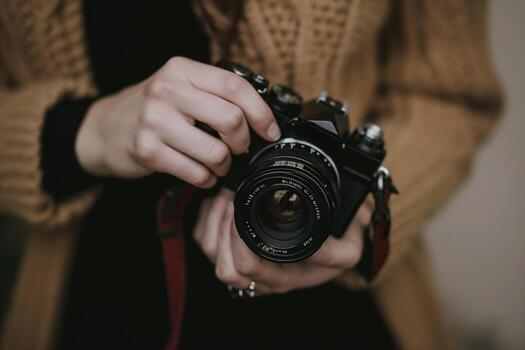
Why 2026 Is the Best Time to Start
There has never been a more accessible time to begin learning photography.
Modern tools have lowered barriers significantly:
- Smartphones now offer professional-grade image quality
- Entry-level cameras are more affordable than ever
- Online learning platforms make education widely available
- Editing software is intuitive and beginner-friendly
At the same time, demand for authentic visual content continues to rise. This creates a unique opportunity for beginners to grow quickly and meaningfully.
If you have ever considered developing creative skills, there is real momentum behind starting now rather than later.
The Role of Structured Learning
While self-teaching is possible, structured learning often accelerates progress significantly. Guided education helps beginners avoid common mistakes and build strong foundations early.
This is where formal or guided photography courses become valuable. They provide:
- Step-by-step learning frameworks
- Practical assignments and feedback
- Technical understanding without overwhelm
- Exposure to different photography styles
- Confidence-building through practice
A structured approach helps transform interest into capability.
You can explore beginner-friendly pathways through our internal tailored 121 courses that are designed to support learners at every stage.
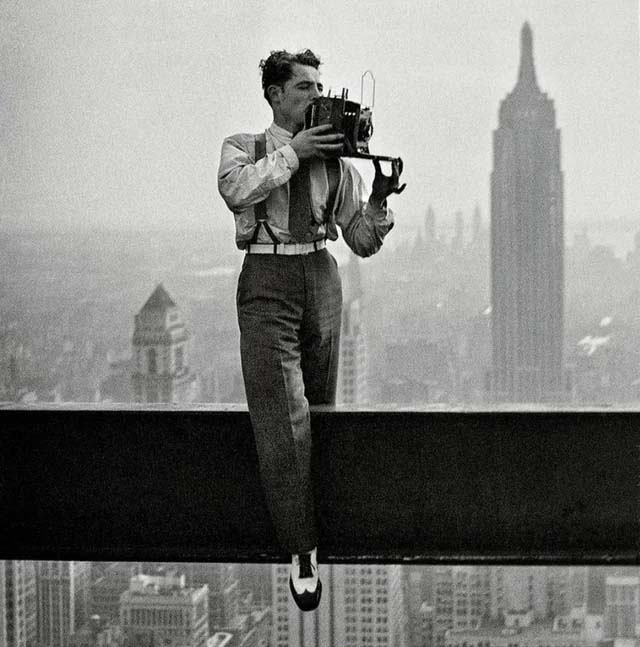
Photography and Creative Confidence
One of the most overlooked benefits of learning photography is confidence.
As your skills improve, you begin to:
- Trust your creative decisions
- Experiment without hesitation
- Develop a personal visual style
- Share your work with intention
This confidence extends beyond photography itself. Many learners find it influences how they approach other creative or professional challenges.
Why Photography Education Matters
From an expertise and trust standpoint, photography education is rooted in practical experience and applied learning.
Experience
Photography is best learned through doing—capturing real environments, adjusting settings, and learning from results.
Expertise
Qualified instructors and structured learning environments help simplify complex technical concepts.
Authority
Consistent practice and portfolio development build credibility over time.
Trust
Clear, repeatable techniques ensure learners can rely on what they are taught in real-world scenarios.
Search engines increasingly reward content that demonstrates real-world applicability, and photography education naturally aligns with this principle.
Frequently Asked Questions
What does it mean to learn photography in 2026?
It means developing both creative and technical skills to capture, edit, and communicate visually in a digital-first world.
Is photography still relevant with AI-generated images?
Yes. Photography remains essential because authentic images build trust and emotional connection that AI visuals cannot fully replicate.
What skills do beginners gain from photography?
Beginners develop composition, lighting awareness, technical camera control, editing ability, and storytelling skills.
Do I need expensive equipment to start photography?
No. Many learners begin with smartphones or entry-level cameras before upgrading as their skills grow.
How long does it take to learn photography basics?
Most beginners can grasp core concepts within a few weeks, but mastery develops through ongoing practice.
Can photography become a career skill?
Yes. Photography supports careers in marketing, media, content creation, design, and freelance creative work.
Are photography courses necessary for beginners?
They are not mandatory, but structured learning through hands-on photography courses can significantly speed up progress and reduce confusion.
What is the best way to improve photography skills quickly?
Consistent practice, studying composition, experimenting with light, and reviewing your own work are the fastest ways to improve.
Why is photography considered a creative skill?
Because it involves artistic decision-making, visual storytelling, and interpretation of real-world scenes.
How can I start learning photography today?
Begin by practising with available equipment, studying basic composition, and gradually building structured learning through guided resources.
A Skill That Grows With You
To learn photography in 2026 is to invest in a skill that evolves with technology, culture, and personal growth. It is not limited to professionals or artists- it is a universally accessible form of expression.
Whether you pursue it casually or professionally, photography offers a way to slow down, observe more deeply, and communicate visually in a world that increasingly depends on images.
If you are ready to begin building real creative capability, structured learning through guided photography education can help you move from curiosity to confidence.