
Why Take a Photography Course in Cape Town in 2026?
Wed Jul 2026

Category:
Cape Town has long been recognised as one of the world’s most photogenic destinations. From dramatic coastlines and mountain landscapes to colourful neighbourhoods, wildlife and bustling city streets, there are few places that offer such incredible photographic variety within a short travelling distance.
However, owning a camera does not automatically lead to great photographs.
Many aspiring photographers struggle with exposure, composition, focusing and understanding how to use their equipment confidently. Auto mode can only take you so far before creativity begins to feel restricted.
This is where structured learning makes a real difference.
Whether you have recently purchased your first camera, want to improve your travel photography, or are considering photography as a creative career, enrolling in a photography course in Cape Town offers an opportunity to learn practical skills in one of the most visually inspiring environments on earth.
It has become apparent that in 2026, learning photography is about far more than taking attractive pictures. It is about developing visual storytelling, technical confidence and creative thinking that can be applied across personal projects, social media, business marketing and professional work.
Learn in a City That Becomes Your Classroom
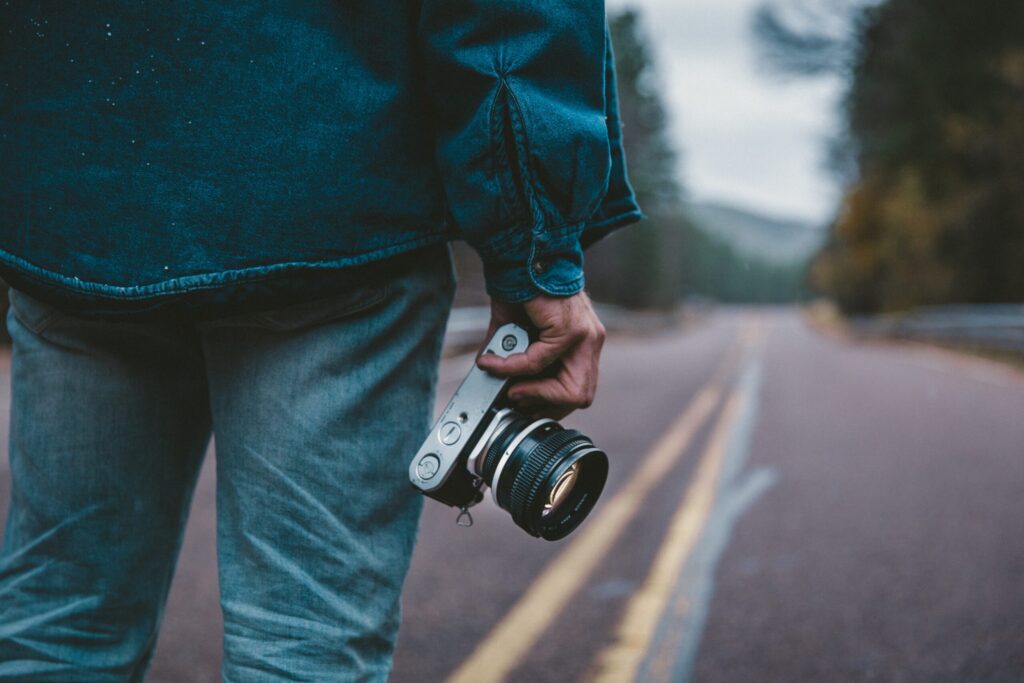
Unlike many indoor training environments, Cape Town provides an endless variety of real-world learning situations.
Within a single day you are spoilt with choice,you can photograph:
- Mountain landscapes
- Beaches and sunsets
- Urban architecture
- Wildlife
- Street photography
- Portraits
- Markets and local culture
- Long exposure seascapes
Each location introduces new lighting conditions and photographic challenges.
Rather than memorising camera settings from a textbook or using a cheat sheet, students experience how exposure changes during sunrise, midday and golden hour. They quickly understand why different lenses, shutter speeds and apertures produce different creative results.
Learning becomes memorable because every lesson is attached to a real photographic experience.
Practical Learning Builds Real Confidence
Watching online tutorials can be helpful, however, there is a significant difference between watching someone use a camera and actually using one yourself with expert guidance.
Hands-on, one on one instruction allows you to:
- Ask questions immediately
- Receive personalised feedback
- Correct mistakes before they become habits
- Understand why settings work
- Build confidence through repetition
Many beginners spend months trying to understand manual mode alone, where a structured learning environment can often accelerate that process dramatically and is often tailored according to the students needs.
Instead of guessing camera settings, students begin making deliberate creative decisions.
This practical learning approach remains one of the biggest advantages of attending organised photography classes rather than relying entirely on online videos.
Understand Your Camera Instead of Fighting It
One of the most common frustrations for beginners is owning an expensive camera but only using a small percentage of its capabilities.
Modern mirrorless and DSLR cameras include sophisticated features that often appear intimidating at first. This is where a quality course makes sense helping you understand:
- Aperture
- Shutter speed
- ISO
- Exposure compensation
- White balance
- Autofocus systems
- Metering modes
- Lens selection
- File formats
- Image quality settings
Rather than simply remembering settings, you will understand how each control affects the final image.
It is these camera skills that form the foundation for every style of photography.
Creative Education Goes Beyond Camera Settings
Technical knowledge is only one part of becoming a better photographer. Great photographs are also built on creative decisions where students are able to develop skills such as:
- Visual storytelling
- Composition
- Leading lines
- Colour harmony
- Subject placement
- Timing
- Light observation
- Working with people
- Building photographic confidence
These creative habits influence every photograph long after the course has finished.
Learning how to “see” like a photographer often becomes the biggest transformation.
Learn From Experienced Instructors
One of the greatest benefits of attending professional training is access to experienced photographers who have worked in real-world situations.
Experienced instructors can explain:
- Why one composition works better than another
- How professionals approach difficult lighting
- Common beginner mistakes
- Efficient camera workflows
- Equipment recommendations based on your goals
More importantly, they understand the questions beginners are most likely to ask because they have answered them many of times before. This level of mentoring simply cannot be replicated by watching random online videos.
For Google’s Experience, Expertise, Authoritativeness and Trustworthiness (E-E-A-T) principles, showcasing instructor experience, years of industry practice, published work and teaching history helps prospective students feel confident before enrolling.
Learn Alongside Other Enthusiasts
Photography can sometimes feel like a solitary hobby, where attending a small group course introduces students to others who share similar interests.
Learning in groups creates opportunities to:
- Share ideas
- Receive constructive feedback
- Build confidence
- Discover new techniques
- Stay motivated
- Continue shooting after the course
Many photographers build long-term friendships and creative networks through workshops and practical sessions.
This sense of community often becomes one of the most valuable outcomes.
Cape Town Offers Every Photography Genre
Few cities provide such diversity in a relatively small geographical area where students gain experience photographing many different subjects without travelling across the country.
Depending on your interests, you can explore:
Landscape Photography
Mountains, beaches, forests and dramatic coastlines create endless opportunities for scenic photography.
Portrait Photography
Natural light locations and professional studio environments allow students to practise working with people.
Wildlife Photography
Birdlife, marine life and nearby reserves provide excellent subjects for learning patience, composition and long-lens techniques.
Street Photography
The city’s architecture, markets and neighbourhoods offer vibrant opportunities to develop observation skills.
Travel Photography
Cape Town naturally combines storytelling, culture, landscapes and people into one destination.
Photography Skills Have Never Been More Valuable
Photography is no longer limited to professional photographers.
Today, strong visual content benefits:
- Small business owners
- Entrepreneurs
- Content creators
- Real estate marketers
- Tourism businesses
- Artists
- Bloggers
- Social media managers
- Families documenting memories
Good images help businesses communicate professionally while helping individuals preserve meaningful moments.
Learning photography therefore becomes both a creative hobby and a valuable life skill.
Why 2026 Is an Excellent Time to Learn
Camera technology continues to evolve rapidly.
Mirrorless systems now dominate the market, artificial intelligence assists focusing systems, and smartphones continue raising expectations for image quality. At the same time, authentic visual storytelling has become more valuable than ever.
Businesses, brands and audiences increasingly appreciate genuine imagery over generic stock photographs and Ai impersonations.
Learning photography in 2026 means developing skills that combine traditional photographic principles with modern technology. The fundamentals remain timeless – light, composition and storytelling never go out of fashion.
Learning Outdoors and in the Studio
Training should be a balance combining outdoor practical sessions with studio-based learning.
Outdoor sessions teach students how to adapt to changing light, weather and environmental conditions, while studio sessions provide complete control over:
- Lighting
- Portrait photography
- Product photography
- Flash techniques
- Background selection
- Creative experimentation
Experiencing both environments prepares students for a wide range of photographic situations.
Choosing the Right Photography Programme
Not every programme offers the same learning experience.
Before enrolling, consider:
- Small class sizes
- Practical exercises
- Instructor experience
- Hands-on learning
- Access to professional equipment
- Outdoor shooting opportunities
- Student reviews
- Ongoing support after the course
Look for learning environments where questions are encouraged and individual feedback is prioritised.
The goal is not simply finishing your photography tuition, but leaving with genuine confidence.
Student Success Builds Trust
One of the strongest indicators of a photography learning experience is student feedback.
Testimonials help future learners understand:
- How much confidence previous students gained
- Whether lessons were easy to follow
- How instructors supported different skill levels
- What practical improvements students experienced
Sharing real student success stories demonstrates genuine experience and strengthens trust with prospective learners.
Including photographs created by former students, before-and-after examples and authentic reviews further reinforces credibility.
Your Photography Journey Starts Here
Cape Town offers far more than beautiful scenery.
It provides an inspiring environment where creativity, technical learning and practical experience naturally come together.
Whether your goal is understanding manual mode, improving travel photography, creating stronger content for your business or pursuing photography professionally, structured instruction can dramatically shorten the learning curve.
With expert guidance, practical exercises and access to diverse locations, students leave with more than better photographs.
They gain confidence, creative vision and skills that continue developing long after the course ends.
If you are ready to develop your photographic ability through practical, hands-on learning, explore our photography courses in Cape Town and discover how structured guidance can help you make the most of every photograph, just take the next step.
Frequently Asked Questions
Is Cape Town a good place to learn photography?
Yes. Cape Town offers an exceptional variety of landscapes, architecture, wildlife and urban environments within a short distance, making it one of the world’s best destinations for practical photography training.
Do I need experience before joining a photography course?
No. Most beginner programmes are designed for people with little or no previous experience and gradually build technical and creative confidence.
Should I own a DSLR or mirrorless camera?
Most courses welcome both DSLR and mirrorless cameras. Some even provide guidance on getting the best results from entry-level equipment.
How long does it take to learn photography?
The fundamentals can be learned within a structured course, but photography is a lifelong skill that improves through regular practice and feedback.
What will I learn during a beginner photography course?
Typically you’ll learn exposure, aperture, shutter speed, ISO, composition, focusing techniques, lighting, camera settings and creative photography fundamentals.
Are practical sessions better than online tutorials?
Hands-on learning allows you to practise immediately, receive personalised feedback and correct mistakes in real time, making it one of the fastest ways to improve.
Can photography help my business?
Absolutely. Strong photography enhances websites, social media, marketing campaigns and product presentation while helping businesses build credibility and brand recognition.
What should I bring to a photography class?
Bring your camera, charged batteries, memory cards, a suitable lens if you have one, comfortable walking shoes and a willingness to experiment and learn.